Get your free personalized podcast brief
We scan new podcasts and send you the top 5 insights daily.
A common practice among rapidly growing channels is to reinvest all AdSense and sponsorship income directly back into production. This funds better editors and designers, creating a virtuous cycle of quality improvement that accelerates growth far more effectively than personal profit-taking.

Related Insights
Elite YouTube creators aren't just passive recipients of ad revenue. They actively buy their own ad inventory from YouTube and then resell it directly to brands, packaging it like traditional TV with guaranteed "adjacency" to specific content. This strategy dramatically increases monetization and business valuation.
![Media M&A - [Business Breakdowns, EP.230] thumbnail](https://megaphone.imgix.net/podcasts/8404be2a-a3c6-11f0-9d01-7b00b28a9d50/image/9a48597af1149c3b024e8d2f7327aa89.jpg?ixlib=rails-4.3.1&max-w=3000&max-h=3000&fit=crop&auto=format,compress)
A common mistake among new creators is spending early profits on luxury goods instead of reinvesting in the business. The most effective use of that capital is hiring people to scale operations. This accelerates the path to long-term wealth and achieving your dream, rather than just the appearance of success.

For content creators on YouTube, focusing on producing high-quality, engaging videos is more critical than chasing subscribers. A great video can achieve massive viewership organically through YouTube's algorithm, making content quality—not audience size—the primary driver of success on the platform.

Unlike newer platforms with opaque payout systems, YouTube is locked into a 55% revenue share with creators. Hank Green suggests this is now seen as a strategic mistake by YouTube, a system so entrenched that changing it would cause a massive creator revolt, giving creators unique leverage.

Once a YouTube channel is established, the biggest audience growth improvements often come from optimizing thumbnails, headlines, and scripted introductions—the content's "packaging." This is a higher-leverage activity for experienced creators than simply increasing production volume.

Unlike studios risking billions on upfront investments, YouTube only pays for successful content via revenue sharing. Creators then reinvest this money into better productions, improving the platform's overall quality and capturing more audience attention in a virtuous, self-funding cycle.

New channels are initially funded by the main profitable channel. The new creator receives a stable salary for a multi-year 'seed stage' to find their voice without financial pressure. Once profitable, the creator transitions to a revenue-sharing model, aligning incentives for growth.

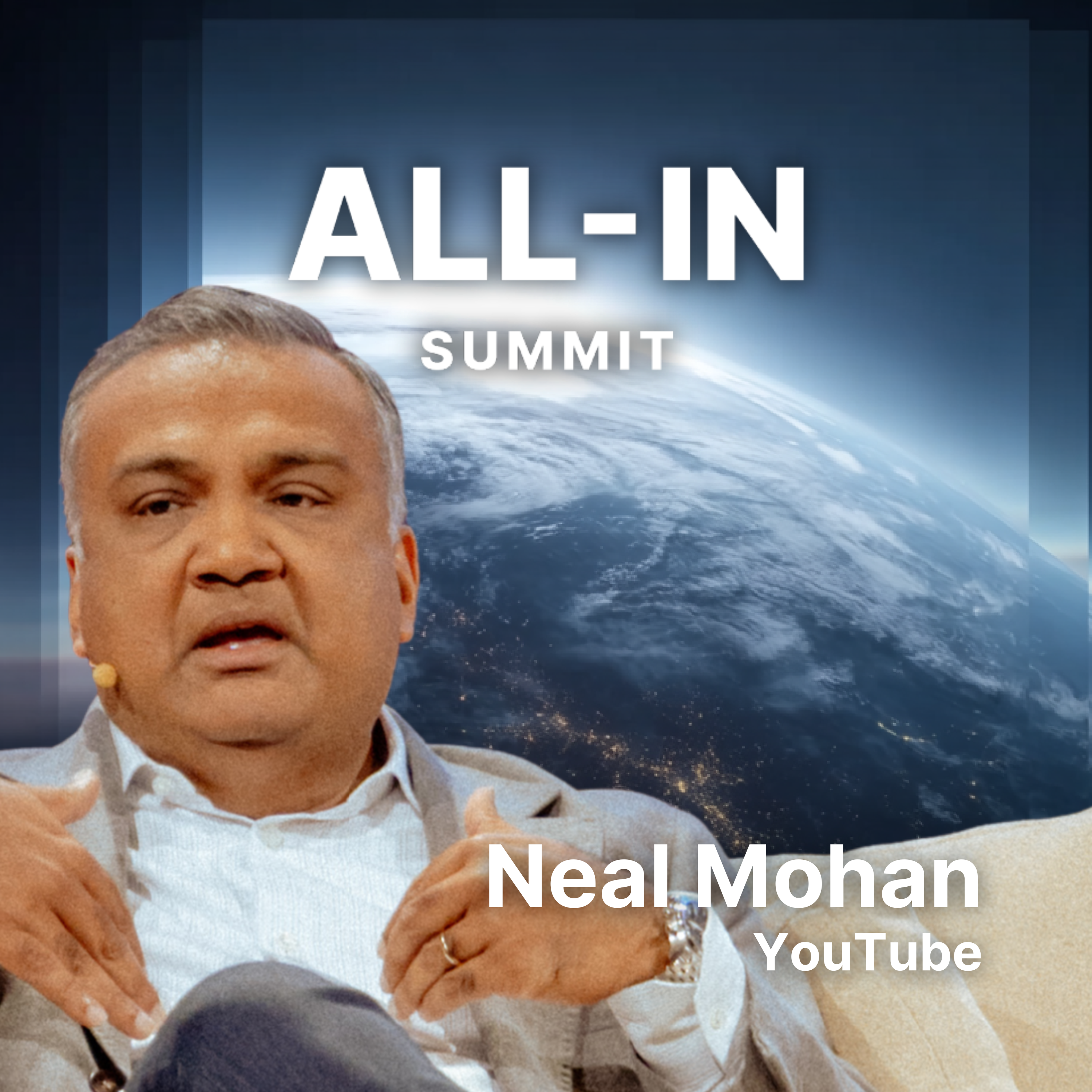
Neal Mohan defends YouTube's revenue split by positioning it as a model where creators bet on their own growth, contrasting with traditional media's upfront payments. For top creators who self-monetize, he frames this as a flexible choice, not a platform weakness, allowing them to select the model that best suits their business.
Young entrepreneurs often fail to scale because they withdraw profits for status symbols. The key to growth is radical reinvestment into the business, primarily in talent, while living on a minimal salary for as long as possible.
MrBeast spending millions per video, comparable to TV shows, reflects a core conviction that YouTube is becoming the primary destination for entertainment. This fundamentally redefines the platform's potential and elevates production standards for all creators, blurring the line between digital-native content and traditional television.