Get your free personalized podcast brief
We scan new podcasts and send you the top 5 insights daily.
New channels are initially funded by the main profitable channel. The new creator receives a stable salary for a multi-year 'seed stage' to find their voice without financial pressure. Once profitable, the creator transitions to a revenue-sharing model, aligning incentives for growth.

Related Insights
Dropout implements a profit-sharing model for its talent, not just for ethical reasons, but because it's administratively simpler than a traditional, complex royalty system. This approach streamlines finance operations while still rewarding contributors for the platform's overall success.

In the attention economy, high-paid talent at legacy companies like CNN are cost centers on a bloated P&L. By using platforms like YouTube or Substack, these individuals can become high-margin businesses, capturing value directly from their audience instead of a corporate employer.

The model provides creators with a salary, benefits, and operational support, while giving them creative freedom and a revenue share. This attracts talent that wants to leave institutions but fears the risk of starting from scratch, creating a unique talent pipeline.
Unlike studios risking billions on upfront investments, YouTube only pays for successful content via revenue sharing. Creators then reinvest this money into better productions, improving the platform's overall quality and capturing more audience attention in a virtuous, self-funding cycle.

To expand beyond its core market, OnlyFans avoids risky big bets on established creators. Instead, it uses a deliberate incubator model, tested with comedy. By creating and promoting a touring show on its free OFTV platform, it builds a new creator ecosystem from the ground up before committing to a full-scale launch.

Indie media companies like Dropout and Sassy Chap Games successfully recruit top talent by offering revenue sharing. This model gives creators a stake in the project's success, attracting them even when upfront compensation isn't top-of-market, by aligning incentives and fostering partnership.
Instead of subscriber counts, 6AM City uses a specific revenue threshold to decide when to staff an AI-powered "seed" market with a human editor. Once an automated newsletter can generate enough revenue to cover an editor's salary (e.g., $5,000/month for a $60,000/year role), the company invests. This ensures financially sustainable, de-risked expansion.
To attract top freelance talent, Escape Collective is testing a model that can pay more than Substack. They offer writers a base rate plus a share of the subscription revenue directly generated from their articles, aligning incentives and rewarding high-performing content.
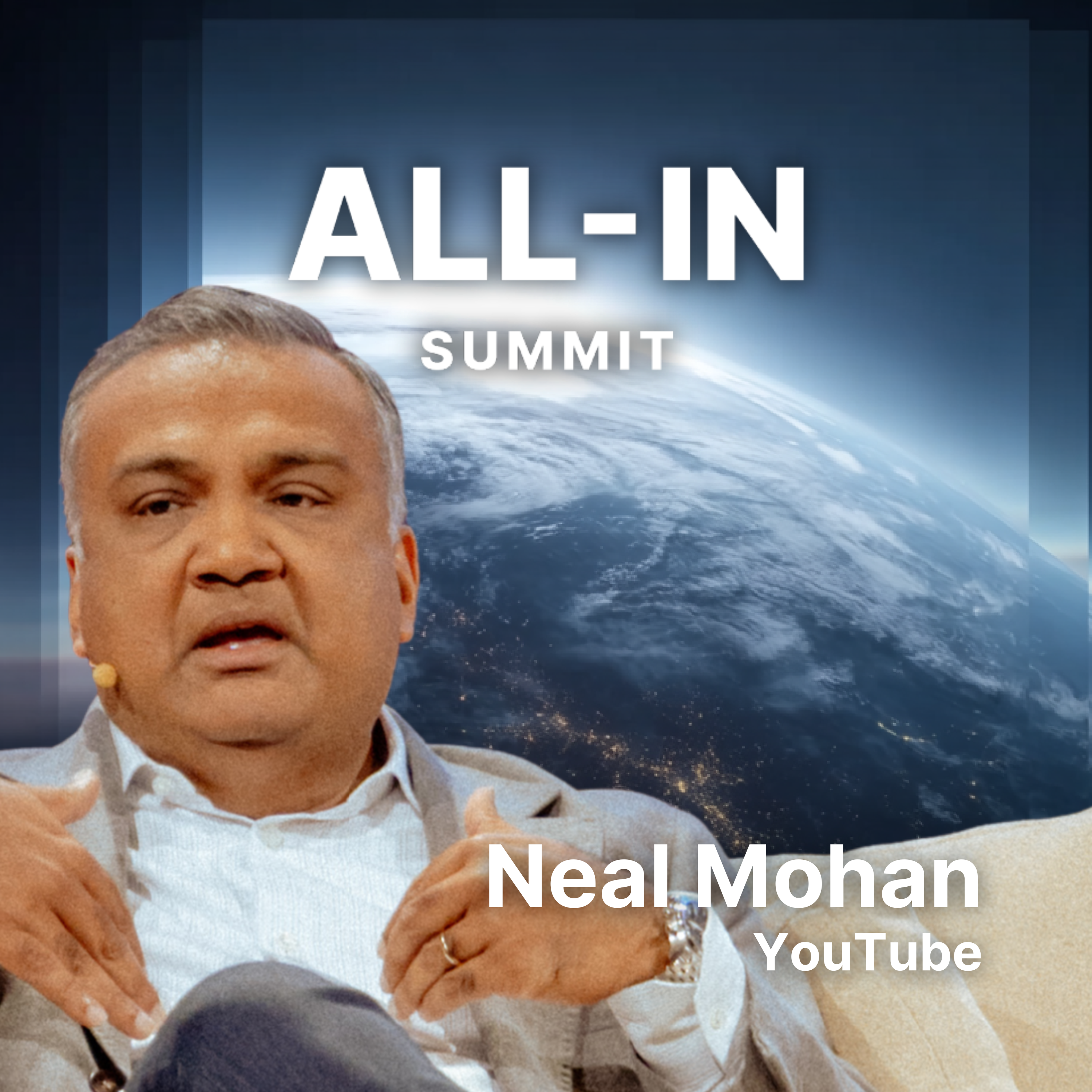
Neal Mohan defends YouTube's revenue split by positioning it as a model where creators bet on their own growth, contrasting with traditional media's upfront payments. For top creators who self-monetize, he frames this as a flexible choice, not a platform weakness, allowing them to select the model that best suits their business.
Puck attracts top talent by offering the independence many crave without the operational burdens of being a solo creator. They provide infrastructure like a sales team, marketing support, and health insurance, creating a "supported independence" that justifies their revenue share and counters the pure Substack model.
