Get your free personalized podcast brief
We scan new podcasts and send you the top 5 insights daily.
Certain operators function like tanks in video games, relying on high pain tolerance and militant determination rather than clever finesse. Their broad span of control and capacity to absorb operational damage make them uniquely equipped to march large, complex organizations forward.

Related Insights
As an organization grows, a leader's effectiveness depends on shifting from hands-on work to managing systems and allocating attention. Continuing to act like a hands-on captain of a small boat in a large organization leads to burnout and inefficiency.

The most effective operators, dubbed 'dolphins,' can fluidly move between altitudes: operating strategically at 10,000 feet with founders, managing at 5,000 feet, and executing tactically in the weeds at 1,000 feet. This ability to oscillate is a key trait to hire for, especially in advisory or early-stage leadership roles.

True hyper-growth requires two leadership archetypes. The visionary (like Elon Musk) drives aggressive innovation, while the operator (like Gwynne Shotwell) stabilizes the organization, picks up the pieces, and prevents burnout. One without the other leads to chaos or stagnation.
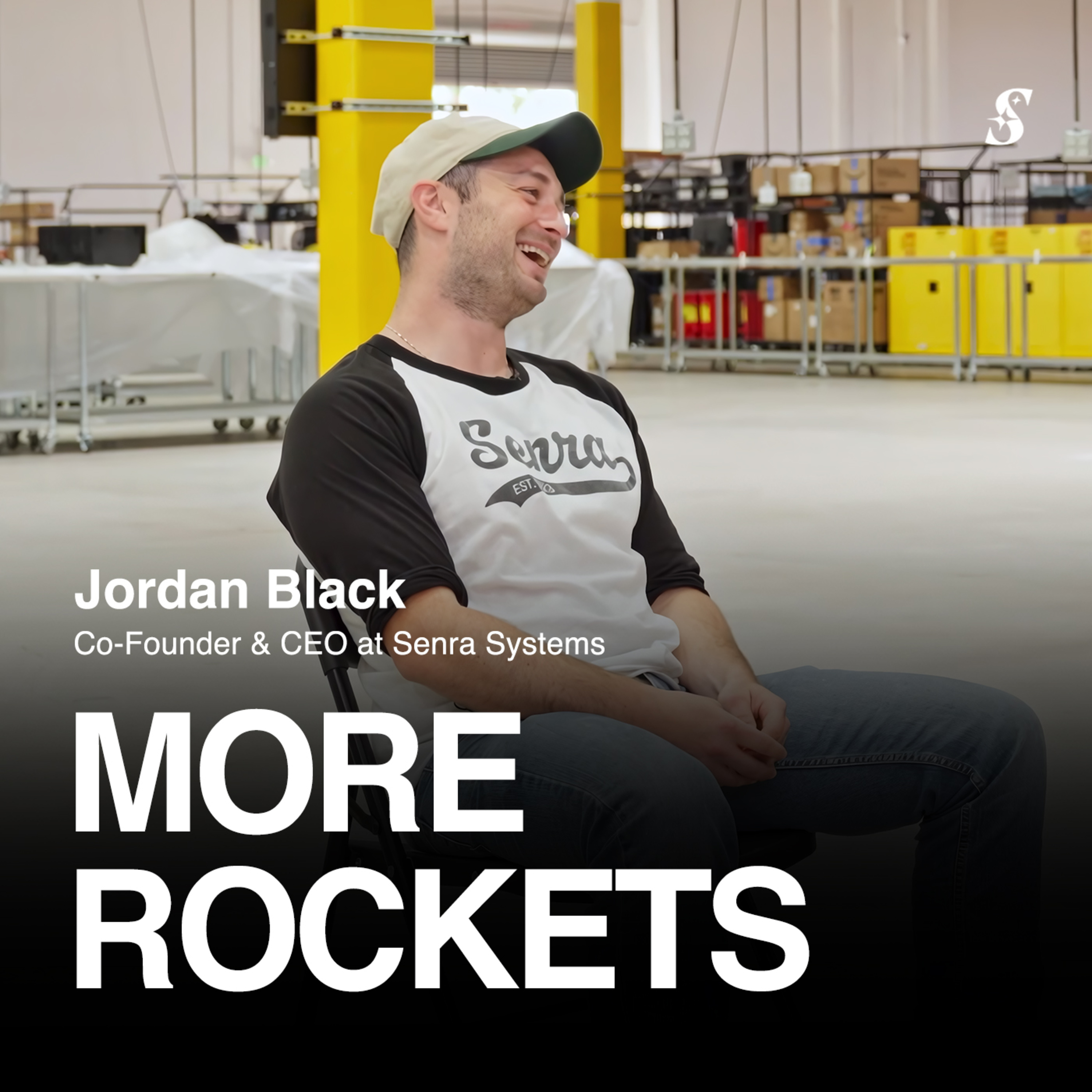
Leadership during rapid scaling involves navigating inherent tensions that cannot be solved, only managed. These paradoxes include balancing ambition with focus, preserving legacy culture while embracing new ideas, and driving execution while also building trust with a wave of new hires.

While a large company requires various employee profiles, including dependable nine-to-five workers, the immediate circle surrounding an intense CEO cannot afford moderate contributors. White demands that everyone within his core operational team be relentless, high-capacity operators capable of absorbing extreme workloads and keeping pace with aggressive organizational velocity.

Contrary to the popular bottoms-up startup ethos, a top-down approach is crucial for speed in a large organization. It prevents fragmentation that arises from hundreds of teams pursuing separate initiatives, aligning everyone towards unified missions for faster, more coherent progress.

The founder CEO is a business's purest energy source. Each subsequent management layer risks an order-of-magnitude drop-off in that intensity. A leader's job is not to shield their team from this pressure ('be a shit umbrella'), but to mirror and preserve it to fight against organizational entropy.
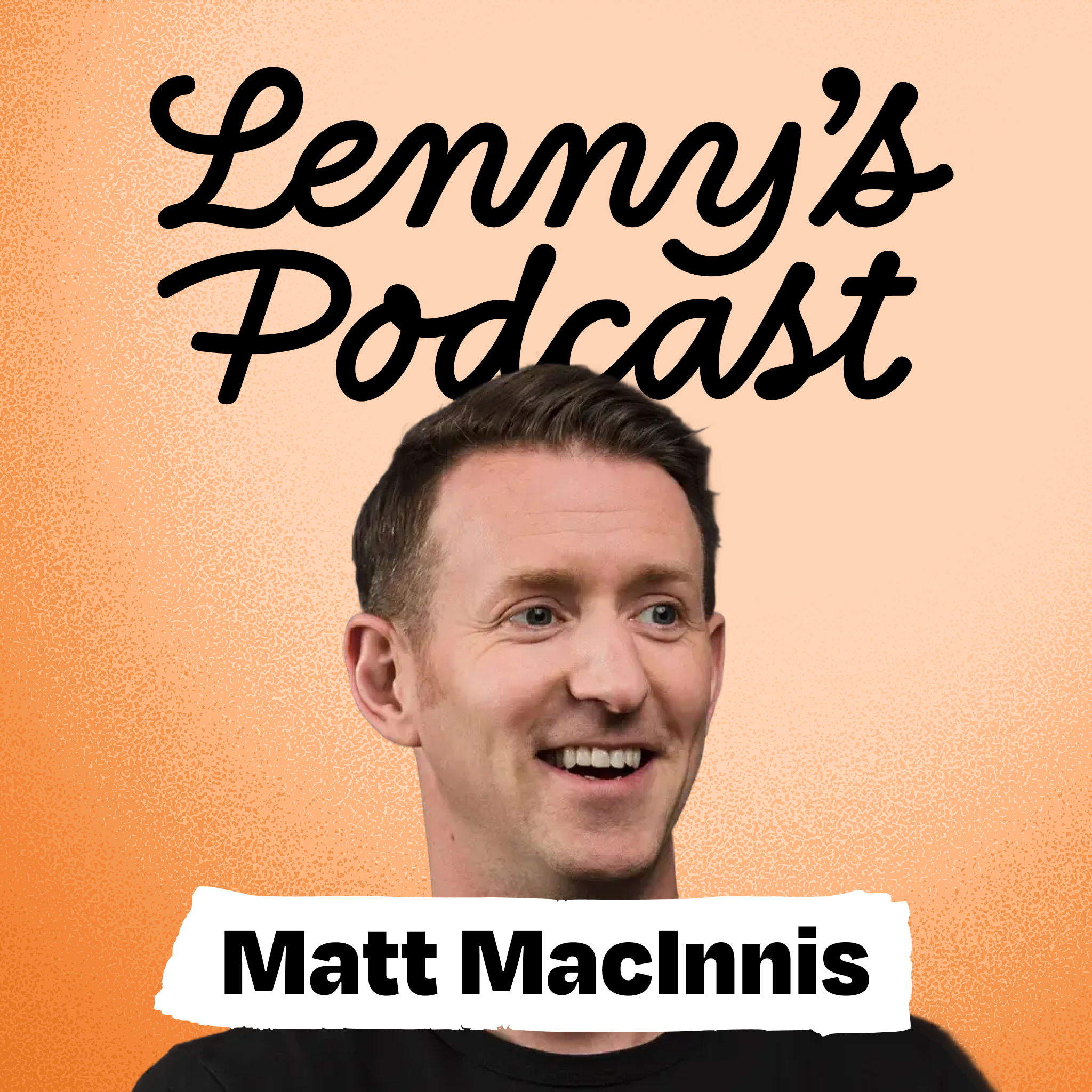
Founders who fear their team won't perform to their standard become a permanent bottleneck. To scale, you must empower your team to make decisions and accept that small mistakes will happen. The leader's job is to create systems that prevent catastrophic failures but allow for minor "fender benders" as part of the learning process.

While scaling businesses often seek experienced external executives to establish structured management systems, rapid technological shifts demand founder-driven urgency. A founder's willingness to push aggressive goals, navigate deep company details, and champion an audacious mission typically outperforms administrative managerial caution during periods of industry disruption.
Paul Graham's "founder mode" (direct control) becomes impractical at scale. However, founders must recognize moments—like major pivots or acquisitions—where their unique combination of motivation, decision power, and market intuition is required to take actions that a delegated leader is not empowered to do.
