Get your free personalized podcast brief
We scan new podcasts and send you the top 5 insights daily.
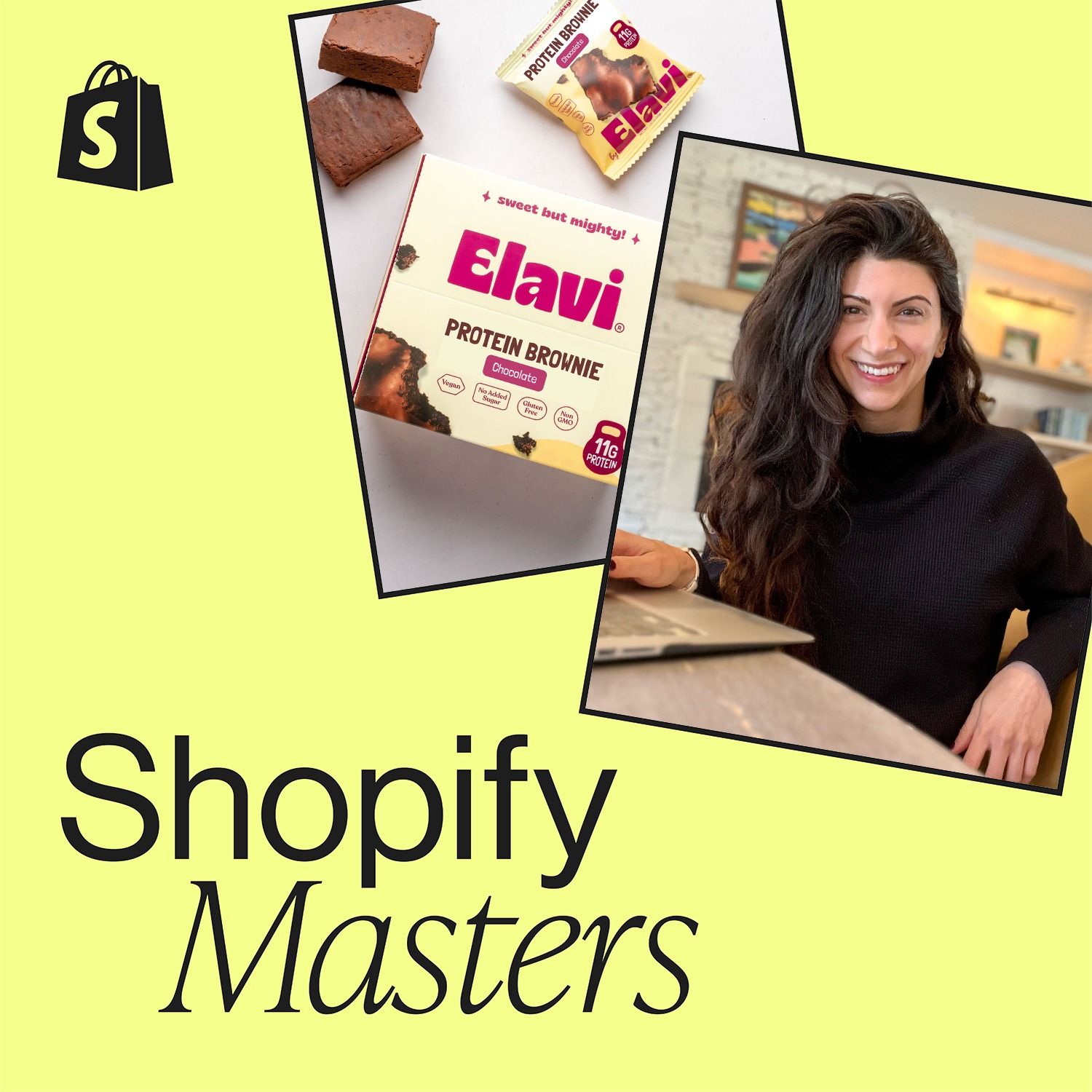
After finding paid ads on Meta were designed to be barely profitable, the founder stopped them entirely. She now focuses on organic marketing, using her personal story on Instagram and a strong email list to build a loyal customer base more profitably.
Related Insights
Guest Mae Pack built a multiple seven-figure handmade business after abandoning social media, which yielded low ROI and drained her energy. She instead focused on media outreach and collaborations, which aligned with her strengths and produced more impactful, long-lasting results.
The era of generic 'five steps to X' content is over. To stand out, marketers must frame their content as stories, whether personal or from clients. This narrative approach fosters a deeper connection with an audience that craves human experiences over sterile information.

Analysis of Instagram stats showed the founder that posts featuring her, sharing behind-the-scenes content, and involving customers in decisions generate the most engagement. This validates the strategy of deeply intertwining the founder's personal identity with the brand.
Hera's explosive growth came from organic word-of-mouth, with YouTubers making videos voluntarily. The founder's philosophy is that the best marketing is no marketing; a product that solves a real pain point spreads naturally. Paid marketing is seen as a 'tax' for not having achieved strong PMF.

For founders without a large marketing budget, building in public isn't optional. Lindsay Carter attributes Set Active's initial hype to sharing behind-the-scenes content on her personal social media. She argues that consumers want to root for the underdog, and showing the story—failures and all—is the most effective way to build a loyal following from scratch.
Instead of treating social media as a long-term home, use it as a strategic tool to get your audience onto platforms you own, like an email list. The primary goal is to capture attention and immediately guide followers into your ecosystem, building a more resilient business off-platform.

In today's market, founders cannot afford to build a product and then seek an audience. The only durable competitive advantage is building a content engine first to capture free impressions and organic reach, then monetizing that pre-existing audience with a product or service.
In its first six months, Alave's most effective marketing was incredibly simple: screenshotting every positive customer review from texts or DMs and posting them to Instagram Stories. This relentless stream of user-generated testimonials provided powerful, low-cost social proof that drove initial sales and built trust.
For services that are sensitive, expensive, and require significant client trust, an organic content strategy is more effective than paid advertising. Building authority through platforms like YouTube establishes the credibility necessary to attract qualified, high-paying clients who would be skeptical of ads.

The traditional "big idea" campaign model is broken. A modern approach starts in the mid-funnel with organic social content. Content that resonates with the algorithm and audience on merit then becomes the brief for both lower-funnel performance ads and upper-funnel brand campaigns, de-risking the entire process.
