Get your free personalized podcast brief
We scan new podcasts and send you the top 5 insights daily.
After a previous company failed due to infighting, Mario Schlosser learned that unresolved internal conflict is the most destructive stress—worse than lawsuits or market threats. At Oscar, his primary rule for co-founder relationships is to 'run straight into the fire' and address brewing issues immediately before they can fester.

Related Insights
Facing a senior leadership exodus and slowing growth, Mario Schlosser took the counter-intuitive step of asking his board to interview his team and assess his performance. This act of extreme transparency validated his strategy, re-energized his team, and stopped most of the key leaders from leaving.
The primary threat to a bootstrapped company is not external competition but internal struggle. Burnout, self-doubt, and loss of motivation kill more startups than any market force. Protecting your mental health is a critical business function, not a luxury.

A story of a "brutal," profanity-laced email exchange between Marc Andreessen and Ben Horowitz during Netscape's early days reveals that high-stakes, seemingly relationship-ending disagreements can surprisingly forge a resilient, multi-decade professional bond rather than destroy it.

To predict the future health of a partnership, intentionally have difficult conversations before any investment is made. If you can't productively disagree or discuss serious problems before you're formally linked, it's highly unlikely you'll be able to do so when the stakes are higher post-investment.

Co-founder conflict often arises when one founder (e.g., go-to-market) has deep customer exposure while the other (e.g., technical) operates on secondhand information. This "context gap" leads to strategic misalignment and frustration, causing teams to split.

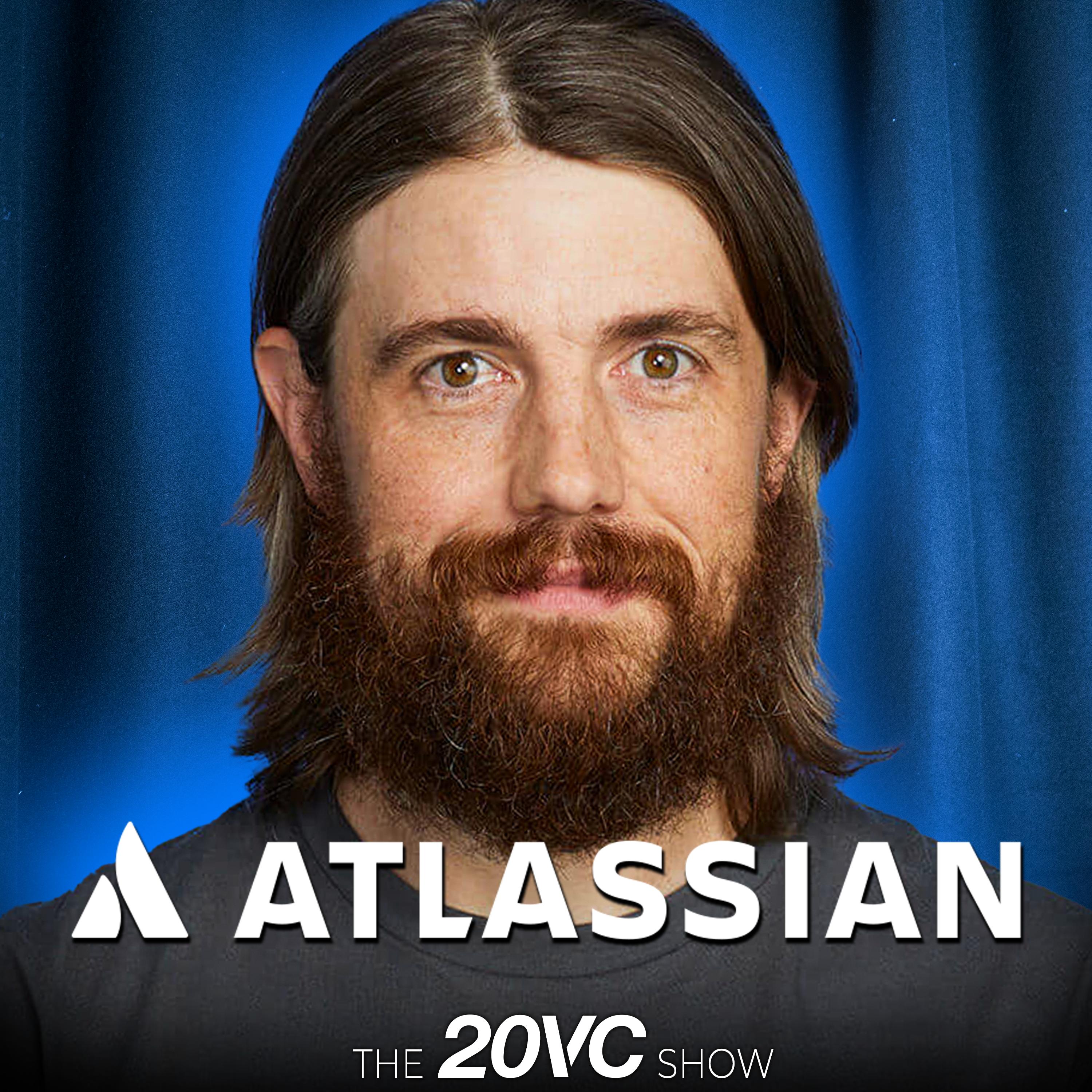
Instead of escalating disagreements, Atlassian's founders operated on a simple principle: if one couldn't be persuaded that an idea was good, it was likely not worth pursuing. This served as a critical decision-making filter and prevented major conflicts.
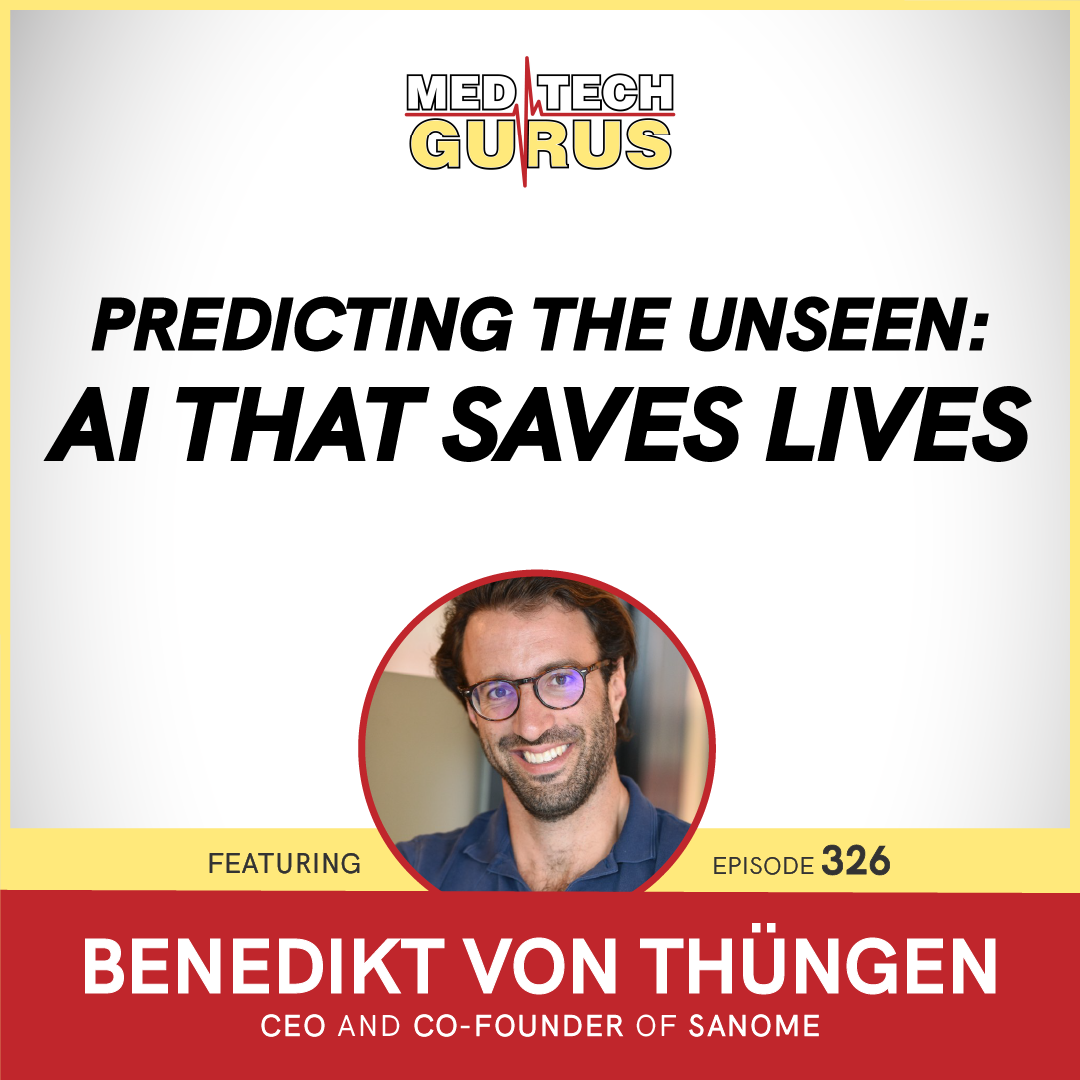
During Sonome's near-collapse, one co-founder stabilized the company internally by personally meeting with every employee to secure their commitment. This demonstrates that in a crisis, a co-founder's most vital contribution can be maintaining team trust and culture, allowing the CEO to focus externally.
Horowitz argues that the critical failure mode for founders isn't making mistakes, but the subsequent loss of confidence. This leads to hesitation on necessary but painful decisions, like reorgs, creating a power vacuum and political chaos that ultimately sinks the company.
![Ben Horowitz - Backing America’s Future - [Invest Like the Best, EP.457] thumbnail](https://megaphone.imgix.net/podcasts/9505619a-009e-11f1-869d-c7d5bc43b194/image/83257eb514e1fd42513d2e46eeb4e9dd.jpg?ixlib=rails-4.3.1&max-w=3000&max-h=3000&fit=crop&auto=format,compress)
Most professionals avoid tension and conflict. CMO Kory Marchisotto advises running *into* friction, believing these high-intensity zones of opposing forces are where true breakthroughs and "magic" occur. Environments of pure agreement, by contrast, can lead to stagnation.
![What is Marketing? Part 2: Marketing is Poetry with Kory Marchisotto [Uncensored Renegades] thumbnail](https://img.transistorcdn.com/VIH3Rn5ET8-eHQxgBGNydnhXL95pc10_Kq7qTpjezuc/rs:fill:0:0:1/w:1400/h:1400/q:60/mb:500000/aHR0cHM6Ly9pbWct/dXBsb2FkLXByb2R1/Y3Rpb24udHJhbnNp/c3Rvci5mbS9zaG93/LzQ3MzEvMTU3MDAz/MjQ3NC1hcnR3b3Jr/LmpwZw.jpg)
A rising tide lifts all boats. The true test of a founder partnership emerges during downturns. Diligence should focus on teasing out traits like adaptability, humility, and accountability, which predict how a founder will react when plans inevitably go awry.
