Get your free personalized podcast brief
We scan new podcasts and send you the top 5 insights daily.
Innovation at scale is not organic; it requires intentionally developing three leadership roles. "Architects" design the system for innovation, "Bridgers" connect silos and external partners, and "Catalysts" build movements to drive new initiatives. Most companies critically lack skilled Bridgers.
Related Insights
Simply hiring superstar "Galacticos" is an ineffective team-building strategy. A successful AI team requires a deliberate mix of three archetypes: visionaries who set direction, rigorous executors who ship product, and social "glue" who maintain team cohesion and morale.

Pendo's CPO warns that scaling isn't just about replicating processes for more teams. Leaders must simultaneously build coordination systems (design reviews, clear communication) while fighting to maintain the "maniacal focus on the customer" and rapid innovation that characterize small teams.

Most startups focus on product or technology innovation, but Gamma's CEO argues that innovating on organizational design is an equally powerful lever. This means rethinking hiring, management, and team composition to create a competitive advantage.
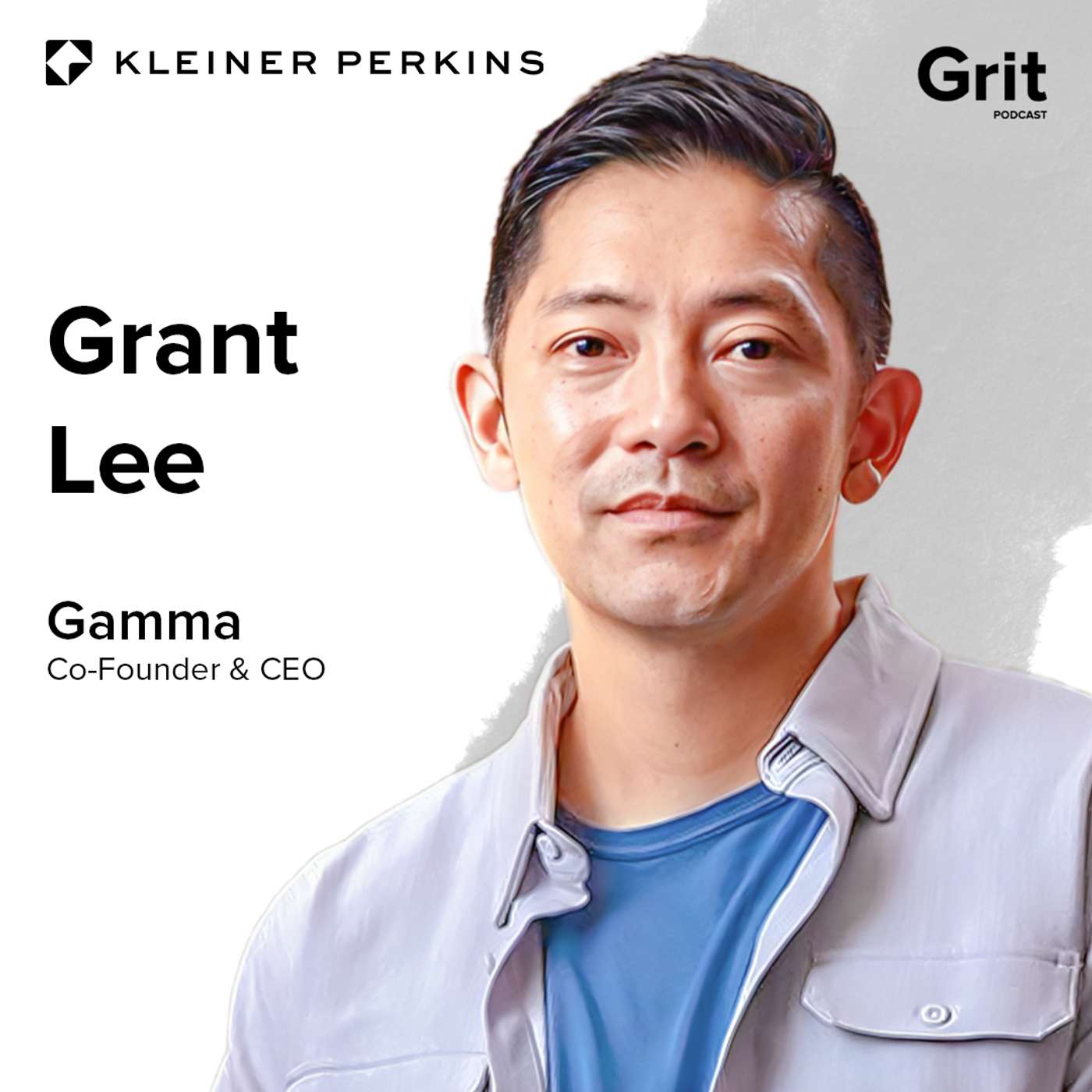
As companies scale, the "delivery" mindset (efficiency, spreadsheets) naturally pushes out the "discovery" mindset (creativity, poetry). A CEO's crucial role is to act as "discoverer-in-chief," protecting the innovation function from being suffocated by operational demands, which prevents the company from becoming obsolete.

Innovation capital is the credibility needed to win support for unproven ideas. Even top leaders like Salesforce's CEO Mark Benioff consciously build this capital, demonstrating that authority alone is insufficient to drive major innovation initiatives.
As companies grow from 30 to 200 people, they naturally become slower. A CEO's critical role is to rebuild the company's operating model, deliberately balancing bottom-up culture with top-down strategic planning to regain speed and ensure everyone is aligned.

Innovation roles like "bridger" and "catalyst" require leading across organizational boundaries where one has no formal authority. This is a skill many senior leaders lack, as they are accustomed to hierarchical control. True innovation leadership involves inviting and pulling people to collaborate, not pushing them with authority.
Contrary to the popular bottoms-up startup ethos, a top-down approach is crucial for speed in a large organization. It prevents fragmentation that arises from hundreds of teams pursuing separate initiatives, aligning everyone towards unified missions for faster, more coherent progress.

Companies often fail by promoting high-performing individual contributors into leadership without teaching them how to scale their judgment. The new leader's job is not to solve problems directly but to define what "good" looks like and enable their teams to get there.

The 'move fast and break things' mantra is often counterproductive to scalable growth. True innovation and experimentation require a structured framework with clear guardrails, standards, and measurable outcomes. Governance enables scale; chaos prevents it.
