Get your free personalized podcast brief
We scan new podcasts and send you the top 5 insights daily.
As companies scale, the "delivery" mindset (efficiency, spreadsheets) naturally pushes out the "discovery" mindset (creativity, poetry). A CEO's crucial role is to act as "discoverer-in-chief," protecting the innovation function from being suffocated by operational demands, which prevents the company from becoming obsolete.

Related Insights
Corporate creativity follows a bell curve. Early-stage companies and those facing catastrophic failure (the tails) are forced to innovate. Most established companies exist in the middle, where repeating proven playbooks and playing it safe stifles true risk-taking.

Most startups focus on product or technology innovation, but Gamma's CEO argues that innovating on organizational design is an equally powerful lever. This means rethinking hiring, management, and team composition to create a competitive advantage.
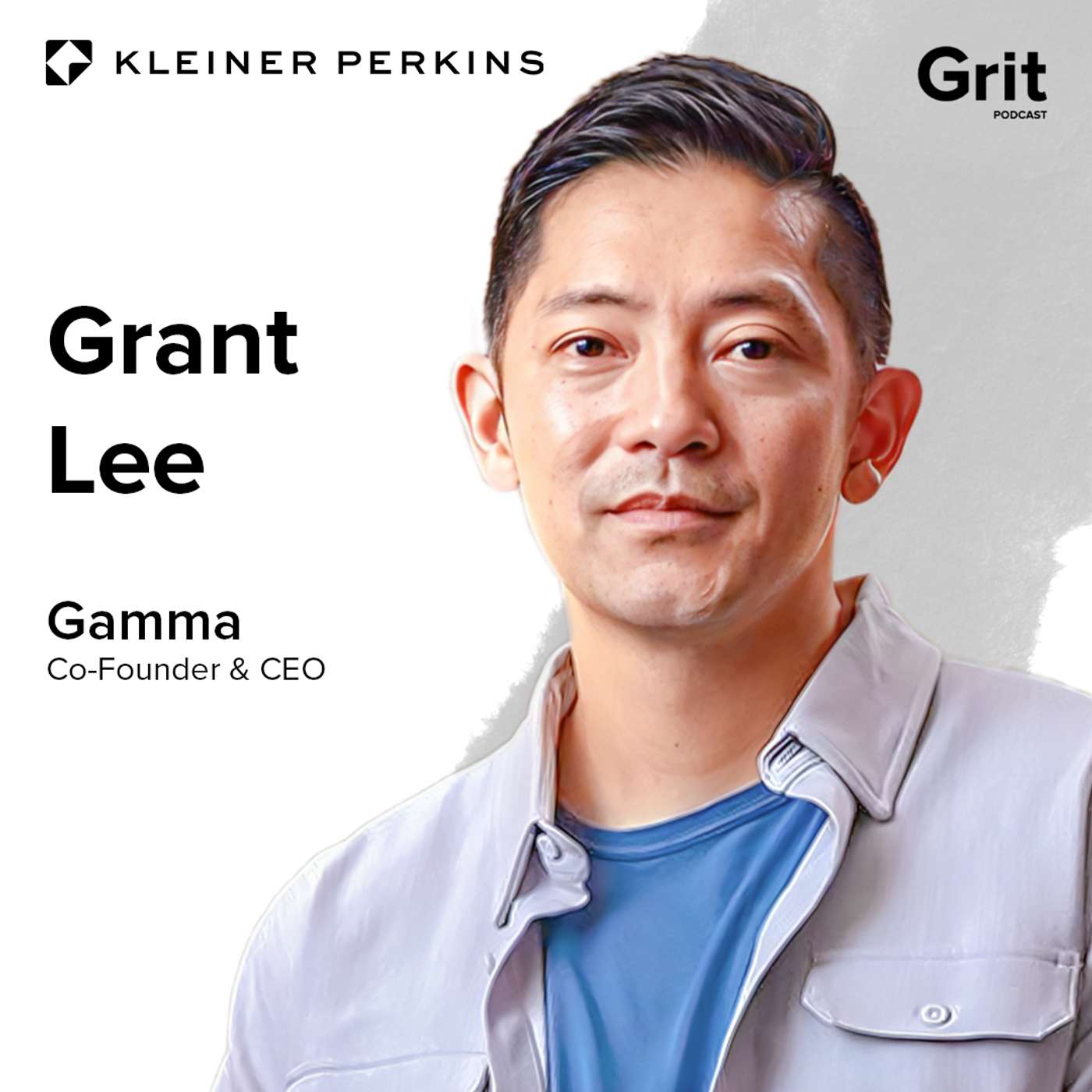
Effective leadership in a fast-moving space requires abandoning the traditional org chart. The CEO must engage directly with those closest to the work—engineers writing code and salespeople talking to customers—to access unfiltered "ground truth" and make better decisions, a lesson learned from Elon Musk's hands-on approach.
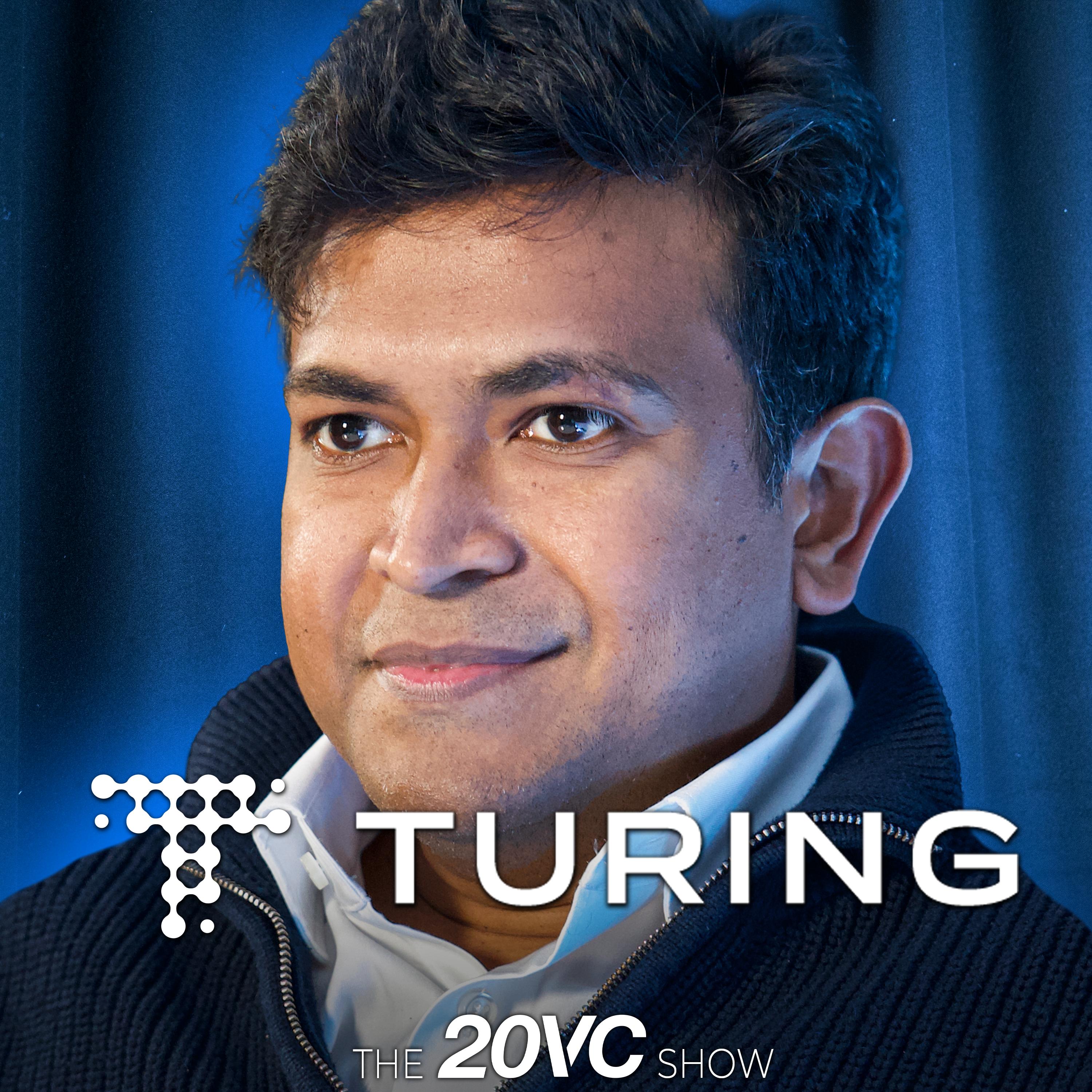
A key, often overlooked, function of leaders in high-growth groups is to act as a shield against internal company interference. This allows their teams to focus on innovation and execution rather than navigating organizational friction, which is a primary driver of top talent attrition.

Unlike a functional manager who can develop junior talent, a CEO lacks the domain expertise to coach their entire executive team (e.g., CFO, VP of HR). A CEO's time is better spent hiring world-class leaders who provide 'managerial leverage' by bringing new ideas and driving their function forward, rather than trying to fix people in roles they've never done.

Afeyan advises against making breakthrough innovation everyone's responsibility, as it's unsustainable and disruptive to daily jobs. Instead, companies should create a separate group with different motivations, composition, and rewards, focused solely on discontinuous leaps.
As companies grow from 30 to 200 people, they naturally become slower. A CEO's critical role is to rebuild the company's operating model, deliberately balancing bottom-up culture with top-down strategic planning to regain speed and ensure everyone is aligned.

Contrary to the popular bottoms-up startup ethos, a top-down approach is crucial for speed in a large organization. It prevents fragmentation that arises from hundreds of teams pursuing separate initiatives, aligning everyone towards unified missions for faster, more coherent progress.

The common practice of hiring for "culture fit" creates homogenous teams that stifle creativity and produce the same results. To innovate, actively recruit people who challenge the status quo and think differently. A "culture mismatch" introduces the friction necessary for breakthrough ideas.
