Get your free personalized podcast brief
We scan new podcasts and send you the top 5 insights daily.
For initial outreach, founder Natalie Gordon created unique, fully-functional baby registries for each blogger she pitched, populating them with products tailored to their niche. This 'show, don't tell' approach demonstrated the product's value and secured a 50% response rate.

Related Insights
For technical B2B products, the influencer's role is not to be a salesperson or demo the product. Their value lies in building credibility and top-of-funnel interest with their trusted audience. The company is then responsible for nurturing those leads with product-specific details.

Unlike social apps with immediate network effects, Babylist's growth was 'slowly viral.' A user's baby shower might expose 30 friends to the service, but only one or two of those friends would become pregnant and use it the following year, requiring a patient growth mindset.
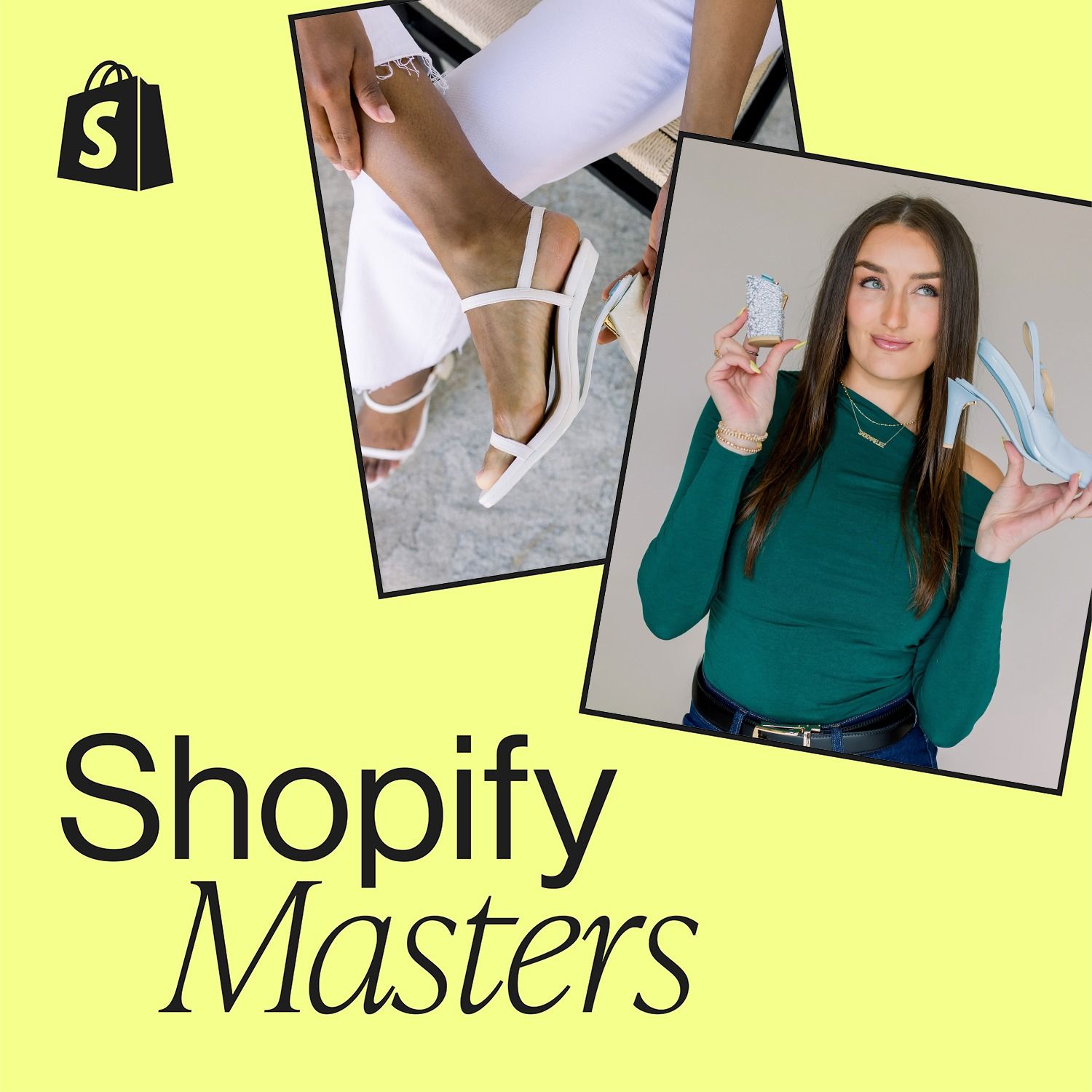
At pop-up events, founder Haley Pavoni saw a 90% purchase rate when she demonstrated her convertible shoe, versus near-zero otherwise. Realizing the demo was key, she scaled that experience by filming TikToks, creating a highly effective, zero-cost customer acquisition channel.
While a personal brand is valuable long-term, it has a high opportunity cost for new businesses. Founders with limited resources may achieve faster results by focusing on direct outreach first, and only investing heavily in content and branding once they have more traction.

For founders without a large marketing budget, building in public isn't optional. Lindsay Carter attributes Set Active's initial hype to sharing behind-the-scenes content on her personal social media. She argues that consumers want to root for the underdog, and showing the story—failures and all—is the most effective way to build a loyal following from scratch.
Instead of waiting for a working product, the founders invested in a conference booth with just screenshots. This early, public validation test, though risky, attracted two crucial prospects who became their first customers. This demonstrated market demand before the product was fully built, a move many founders would avoid.

As a freemium product with millions of users, Polly struggled to identify its true buyers. By adding simple "book a demo" links and feedback request emails into the onboarding flow, they generated hundreds of valuable conversations that clarified their monetization path and ideal customer profile.

In its first six months, Alave's most effective marketing was incredibly simple: screenshotting every positive customer review from texts or DMs and posting them to Instagram Stories. This relentless stream of user-generated testimonials provided powerful, low-cost social proof that drove initial sales and built trust.
Facing investors who started calls by saying they rarely invest, Natalie Gordon began her pitch with a slide showing $250M in revenue. VCs would assume it was GMV, and when corrected, their skepticism vanished. The surprise forced them to take the meeting seriously.
Gamma’s founder personally onboarded early influencers, walking them through the product and brainstorming hooks. This investment treats influencers as extensions of the team, not just a media buy, fostering genuine understanding and authentic promotion in their own voice.