Get your free personalized podcast brief
We scan new podcasts and send you the top 5 insights daily.
During a stock downturn, Rhythm's CFO showed his team historical charts of successful biotech firms like Vertex and Regeneron that also endured long periods of low valuation. This tangible proof of long-term potential in a volatile industry served as a powerful tool to maintain employee morale and focus.

Related Insights
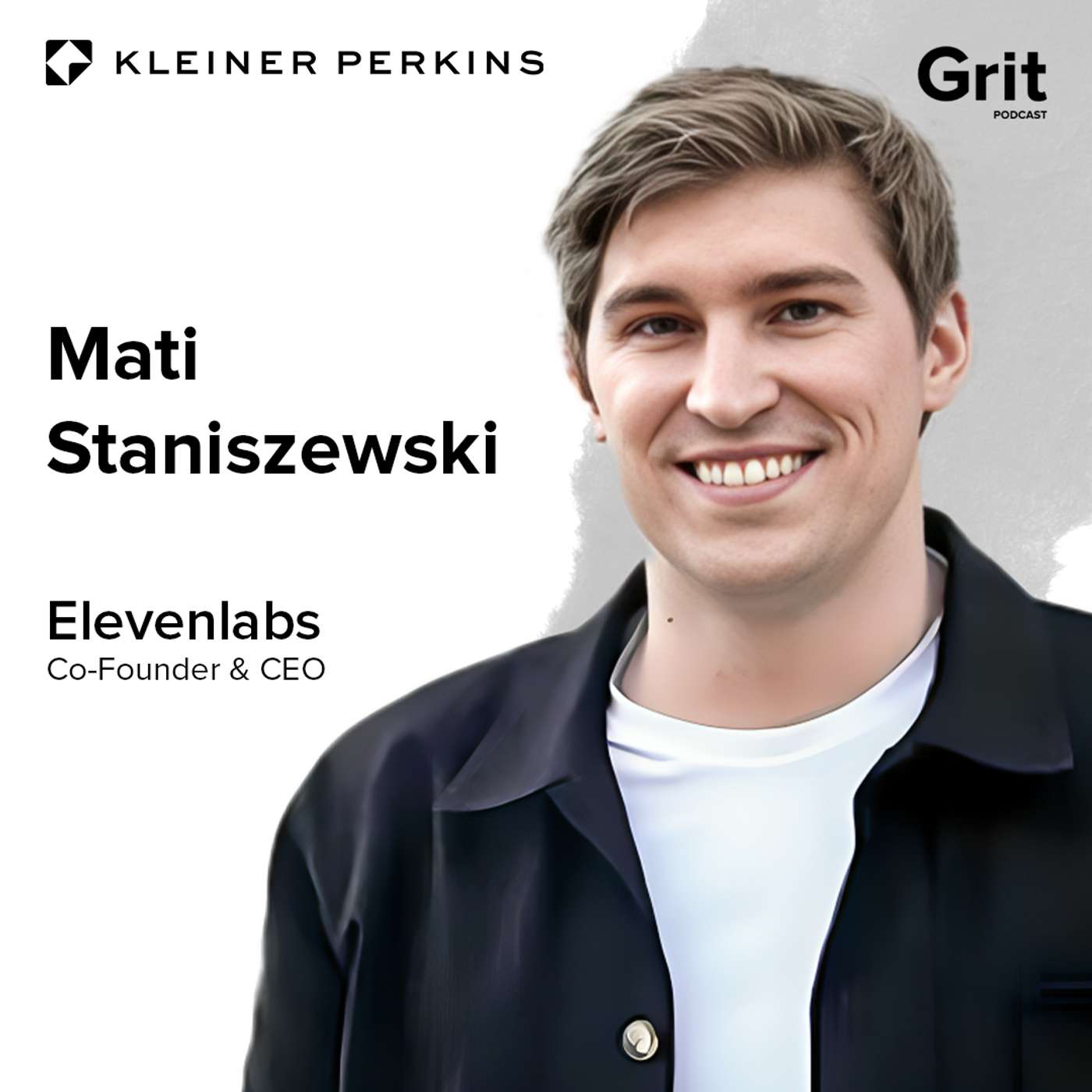
ElevenLabs raised a $100M round entirely for employee secondaries. The CEO's rationale is that by allowing early team members to de-risk and realize financial gains, it solidifies their commitment to the company's multi-year mission rather than creating pressure for a quick exit.
Top board member Alfred Lin provides counter-cyclical mentorship. He champions the company during tough times to boost morale and plays devil's advocate during success to prevent complacency. This keeps founders grounded and forces nuanced thinking about trade-offs.

Granting stock options is only half the battle. To make equity a powerful motivator, leaders must constantly communicate a clear and believable narrative for a future liquidity event, such as an acquisition. This vision is what transforms paper ownership into a tangible and valuable incentive in the minds of employees.

Pandora's founder kept employees working for two years without pay by framing their work not as data entry, but as a magical, culture-shifting mission. Great leaders make everything bigger than it is, transforming jobs into purpose-driven crusades to sustain motivation.

Don't measure momentum solely with metrics like revenue. At its core, it's a shared state of mind and belief system within the team. Its true strength is determined by how many people actively participate in that belief, not just by the leader's individual optimism.

While bonuses tied to revenue incentivize employees to perform specific tasks, they are purely transactional. Granting stock options makes team members think holistically about the entire business's long-term health, from strategic opportunities to small cost savings, creating true psychological ownership.
Instead of raising money immediately after positive trial data, Rhythm waited. This allowed sell-side analysts time to understand the results, build financial models, and educate investors. This patience resulted in a stock that coalesced at a much higher valuation, maximizing the capital raise.
When driving major organizational change, a data-driven approach from the start is crucial for overcoming emotional resistance to established ways of working. Building a strong business case based on financial and market metrics can depersonalize the discussion and align stakeholders more quickly than relying on vision alone.

To save money, Rhythm's leadership considered canceling a clinical study because the prevailing scientific logic suggested their drug wouldn't work. The study's unexpected, resounding success became the company's pivotal turning point, highlighting the value of pursuing scientifically contrarian ideas.
As a public company CEO, Dylan Field actively avoids focusing on daily stock fluctuations. He believes the only controllable factors are the business inputs—improving the product and creating customer value. This is an application of Bill Walsh's philosophy, "the score takes care of itself," to public market management, prioritizing long-term fundamentals over short-term sentiment.
