Get your free personalized podcast brief
We scan new podcasts and send you the top 5 insights daily.
The attempt to time the market by holding cash creates significant opportunity costs, or "cash drag." This underperformance isn't visible on a brokerage statement showing returns on invested capital, but it permanently lowers your total wealth outcome.

Related Insights
Charley Ellis provides a stark calculation of lost returns. A 7% market return, less 3% for inflation, is 4%. The average investor then loses another 2% to behavioral errors (e.g., poor timing), cutting their real return in half to just 2%. This simple math shows how tinkering destroys wealth.

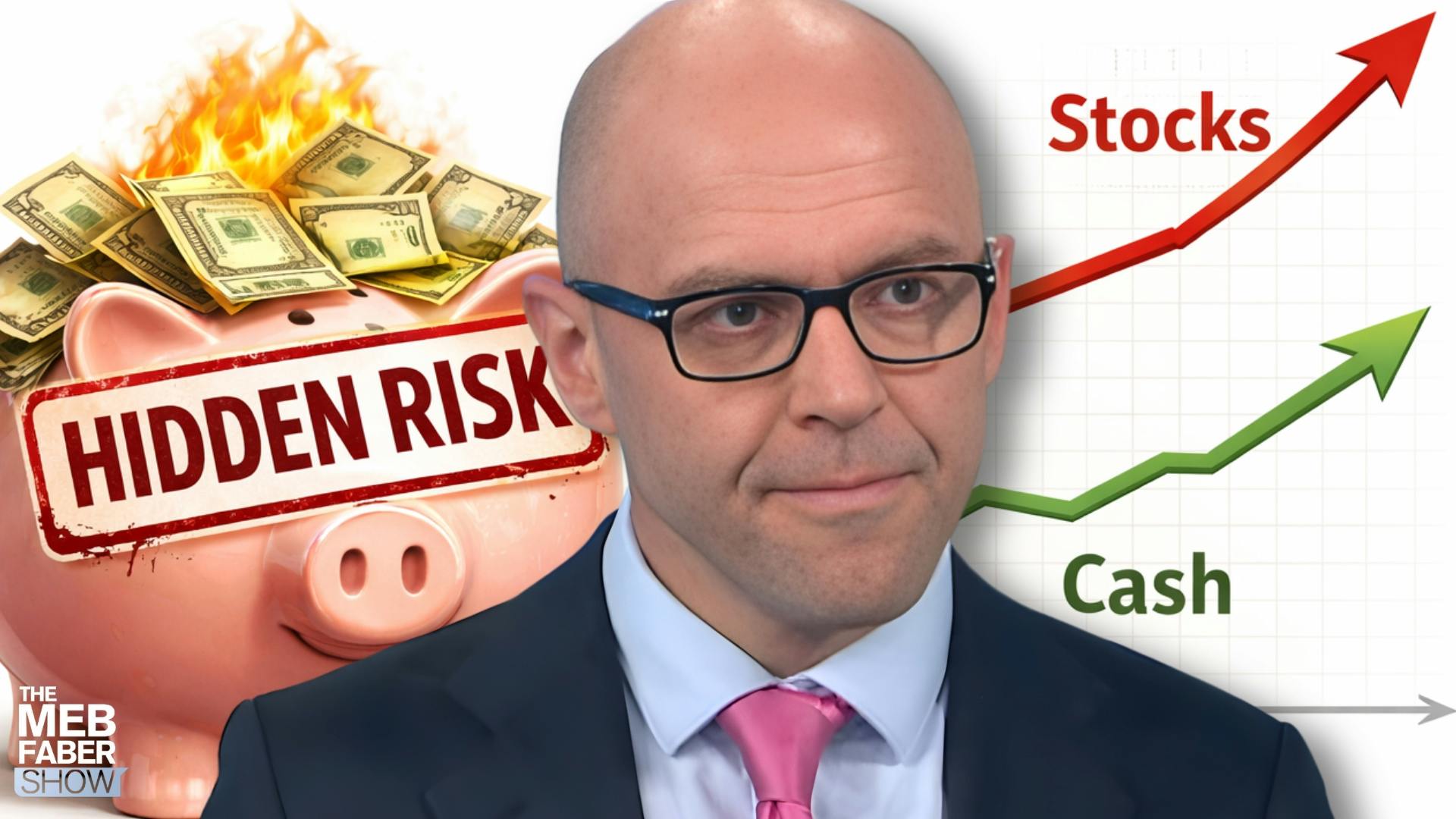
Contrary to its perceived safety, holding cash is a losing proposition over the long term. Deutsche Bank's historical data over 200 years shows a global real return of -2% per year for cash, eroding purchasing power significantly.
Many people set up automated contributions to their 401(k) or IRA but fail the crucial second step: choosing an investment. Their money then sits idle in a low-yield money market fund, earning almost nothing and negating decades of potential compound growth.

Compounding is a fragile process. Every portfolio adjustment, like trimming or panic selling, is like opening a door and letting heat escape. Treating your portfolio as a contained machine that works best when untouched reframes "doing nothing" as a strategic, structural advantage.

Young Gravy's mindset is to never let money sit idle in a bank account. He believes every dollar should be "working" by being invested, even in safe, low-yield assets. This constant pursuit of capital gain is a key driver of his wealth accumulation.

While cash seems like the safest asset, it guarantees a negative real return over time. Inflation erodes its purchasing power, and any interest earned is taxed, making it a poor choice for long-term wealth preservation compared to productive assets.

Instead of constant activity, experienced traders understand that cash is a strategic position. They exercise patience, sidestepping low-conviction periods to wait for ideal conditions. The majority of their returns are made in short bursts where they can deploy capital aggressively into high-conviction setups.

Even if an investor had perfect foresight to buy only at market bottoms, they would likely underperform someone who simply invests the same amount every month. The reason is that the 'market timer' holds cash for extended periods while waiting for a dip, missing out on the market's general upward trend, which often makes new bottoms higher than previous entry points.

David Booth's father kept $15,000 cash in a safe deposit box. Had that amount been invested in the stock market in 1945, it would have grown to over a million by 1985, and that million would have grown to many more millions since. This illustrates the tragic opportunity cost of fearing markets.
While investing carries risks, holding cash guarantees a loss of purchasing power due to inflation. Therefore, the decision to abstain from investing is a far riskier financial gamble than participating in the market over the long term.
