Get your free personalized podcast brief
We scan new podcasts and send you the top 5 insights daily.
Pixxel Space's founder convinced senior US talent to join his Indian deep tech startup pre-seed. This demonstrated immense conviction and resourcefulness, signaling to investors like Lightspeed that his vision was compelling enough to overcome significant risk.

Related Insights
Despite the common wisdom that investors prefer co-founding teams, Juxta's solo founder raised $5 million in 48 hours without a single investor questioning his status. This suggests that for complex, deep tech ideas, a powerful vision and a credible team can completely mitigate concerns about being a solo founder.

To win the best pre-seed deals, investors should engage high-potential talent during their 'founder curious' phase, long before a formal fundraise. The real competition is guiding them toward conviction on their own timeline, not battling other VCs for a term sheet later.
DeepMind's founders knew their ambitious AGI mission wouldn't appeal to mainstream VCs. They specifically targeted Peter Thiel, believing they needed "someone crazy enough to fund an AGI company" who valued ambitious, contrarian ideas over a clear business plan, demonstrating the importance of strategic investor-founder fit.

To lure senior talent from giants like SpaceX, Base Power pitched more than equity. It offered a chance to work on humanity's hardest problems (energy), promising a continuous stream of complex challenges that top performers crave, alongside massive economic upside.

Beyond vision, the most exceptional founders can convince top talent to take pay cuts, persuade investors to fund them, and sign initial customers against all odds. This ability to conjure key resources is a primary indicator of success for early-stage investors to identify.

In capital-intensive sectors, the idea is secondary to the founder's ability to act as a magnet. Their primary function is to relentlessly attract elite talent and secure continuous funding to survive long development timelines before revenue.
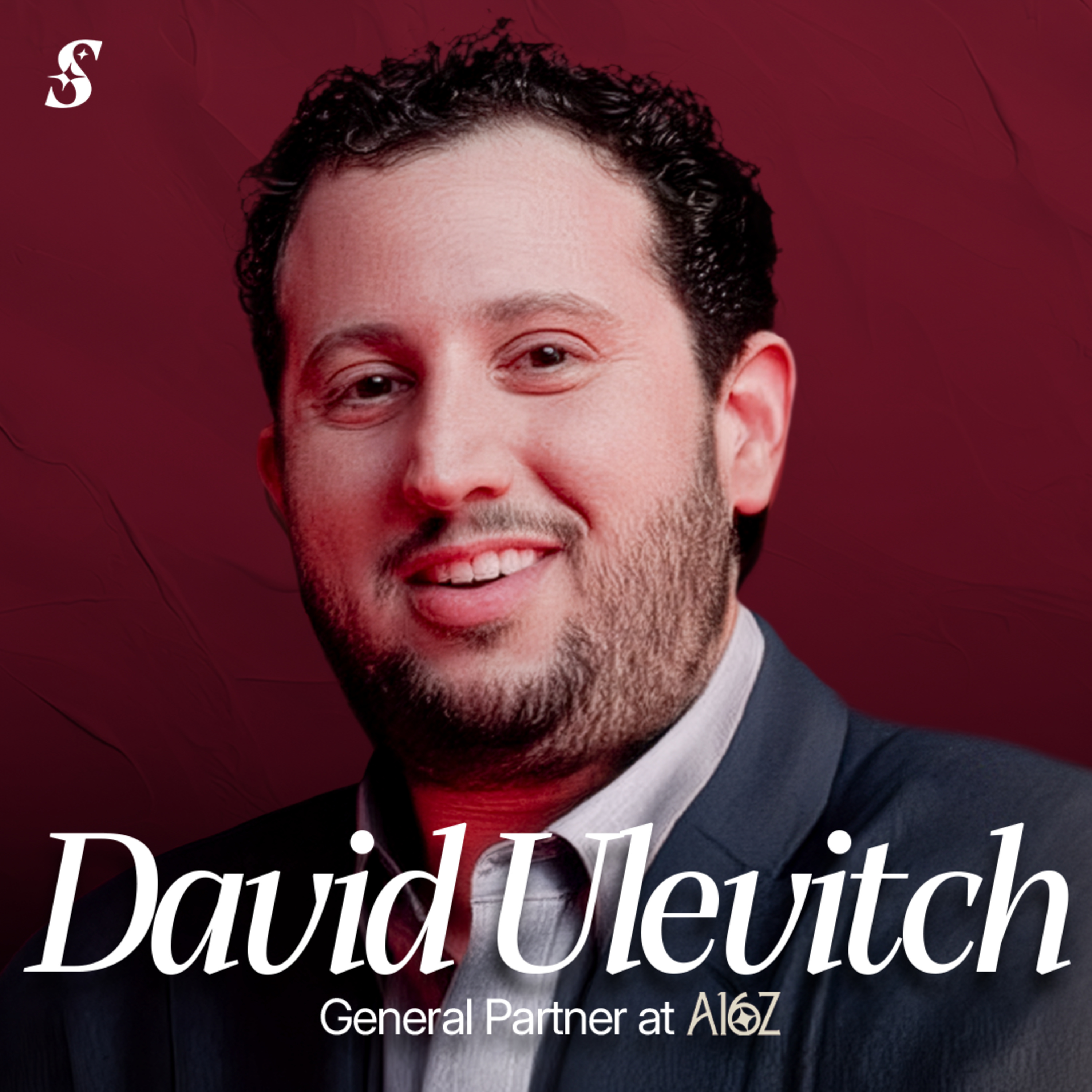
While assessed during diligence, the true caliber of a founder—their passion, authenticity, and ability to "run through walls"—becomes starkly clear after the deal closes. This distinction is not subtle; the impact of a truly exceptional founder versus an average one is immediately evident in the business's trajectory.

When founders invest their own money, it signals an unparalleled level of commitment and belief. This act serves as a powerful 'magnetic pull,' de-risking the opportunity in the eyes of external investors and making them significantly more likely to commit their own capital.

The most investable founders possess a rare, magnetic ability to conjure essential resources. They can convince top talent to take pay cuts, persuade investors to fund an unproven vision, and acquire their first crucial customers against all odds. This trifecta of materializing labor, capital, and customers is a powerful leading indicator of success.

A truly exceptional founder is a talent magnet who will relentlessly iterate until they find a winning model. Rejecting a partnership based on a weak initial idea is a mistake; the founder's talent is the real asset. They will likely pivot to a much bigger opportunity.
