Get your free personalized podcast brief
We scan new podcasts and send you the top 5 insights daily.
DeepMind's founders knew their ambitious AGI mission wouldn't appeal to mainstream VCs. They specifically targeted Peter Thiel, believing they needed "someone crazy enough to fund an AGI company" who valued ambitious, contrarian ideas over a clear business plan, demonstrating the importance of strategic investor-founder fit.
Related Insights
To win the best pre-seed deals, investors should engage high-potential talent during their 'founder curious' phase, long before a formal fundraise. The real competition is guiding them toward conviction on their own timeline, not battling other VCs for a term sheet later.
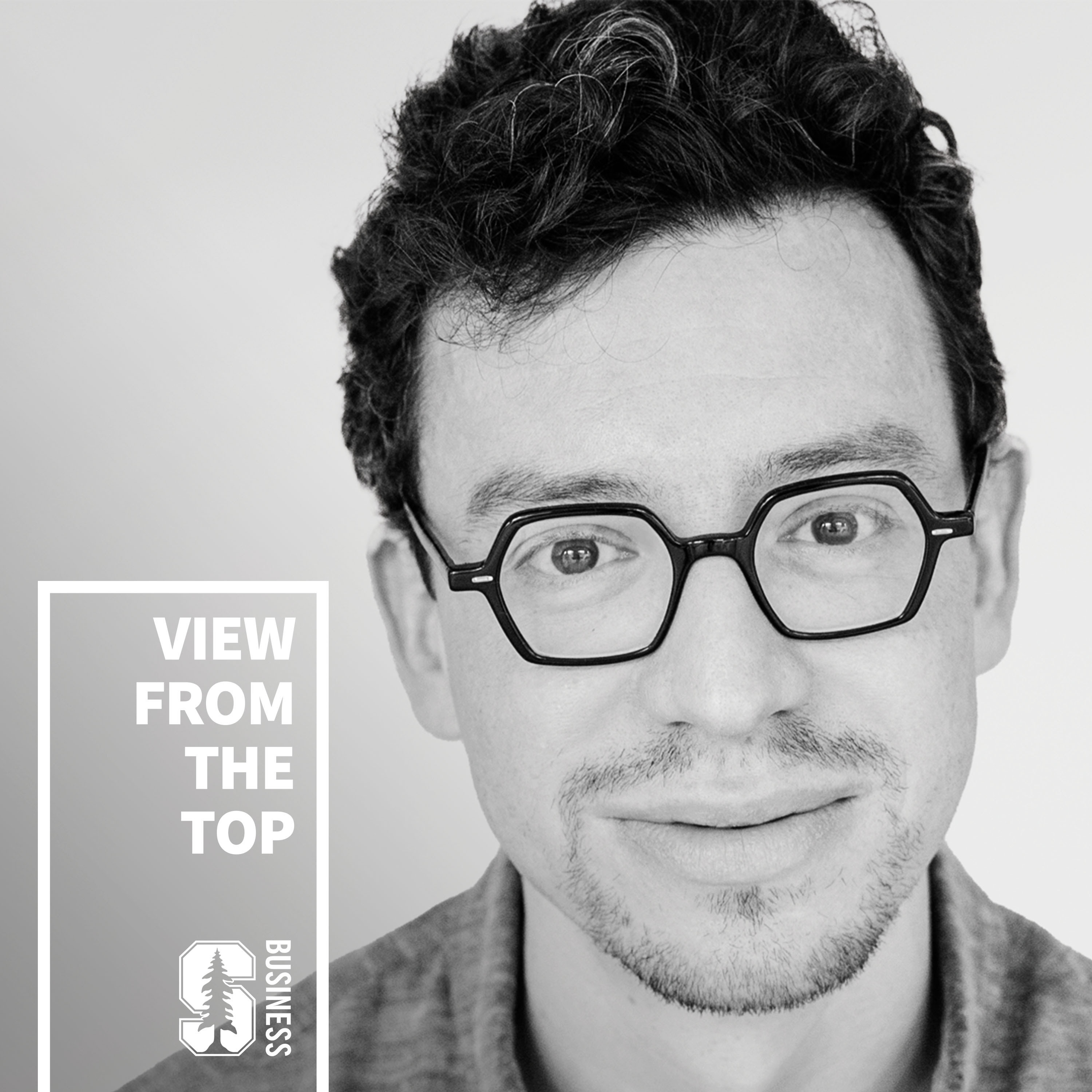
Duolingo's first investors admitted they didn't believe in the education market, which they considered a bad business. They invested solely because founder Luis von Ahn had a previous successful exit to Google, demonstrating that a founder's track record can be more persuasive to early VCs than the business idea itself.
Elon Musk's focus was on Mars as a backup for humanity. DeepMind CEO Demis Hassabis shifted his perspective by positing that a superintelligent AI could easily follow humans to Mars. This conversation was pivotal in focusing Musk on AI safety and was a direct catalyst for his later involvement in creating OpenAI.
Demis Hassabis chose to sell DeepMind to Google for a reported $650M, despite investor pushback and the potential for a much higher future valuation. He prioritized immediate access to Google's vast computing resources to 'buy' five years of research time, valuing mission acceleration over personal wealth.
Ilya Sutskever's new company, focused on fundamental AI research, is attracting growth-stage capital for a high-risk, venture-style bet. This model—allocating massive funds to exploratory research with paradigm-shifting potential—blurs the lines between traditional venture and growth equity investing.

In capital-intensive sectors, the idea is secondary to the founder's ability to act as a magnet. Their primary function is to relentlessly attract elite talent and secure continuous funding to survive long development timelines before revenue.
Large, contrarian investments feel like career risk to partners in a traditional VC firm, leading to bureaucracy and diluted conviction. Founder-led firms with small, centralized decision-making teams can operate with more decisiveness, enabling them to make the bold, potentially firm-defining bets that consensus-driven partnerships would avoid.

When founders invest their own money, it signals an unparalleled level of commitment and belief. This act serves as a powerful 'magnetic pull,' de-risking the opportunity in the eyes of external investors and making them significantly more likely to commit their own capital.

Founders Fund invested nearly 10% of its fund into SpaceX immediately following a launch failure, betting on Elon Musk's team despite their lack of aerospace experience. This exemplifies a high-conviction, founder-centric investment thesis that ignores conventional industry wisdom and short-term setbacks.

Small, dedicated venture funds compete against large, price-insensitive firms by sourcing founders *before* they become mainstream. They find an edge in niche, high-signal communities like the Thiel Fellowship interviewing committee or curated groups of technical talent. This allows them to identify and invest in elite founders at inception, avoiding bidding wars and market noise.
