Get your free personalized podcast brief
We scan new podcasts and send you the top 5 insights daily.
What appears to be visionary foresight is frequently the ability to recognize when the time is right due to external circumstances. Bill Gates acted only after a new Intel chip emerged, and Jeff Bezos capitalized on a massive surge in internet usage. This suggests success is less about inventing the future and more about seizing a favorable moment.

Related Insights
Ben Horowitz emphasizes that while many people had the idea for an electric car or an online bookstore, only entrepreneurs like Elon Musk or Jeff Bezos could build Tesla and Amazon. The critical, non-fungible element is the rare individual with the execution ability, not the initial concept itself.

Success requires an unorthodox strategy built on a detailed, pinpoint-accurate vision of the future. When opportunities arise, you can seize them faster than others because you don't hesitate; you immediately recognize how they fit into your pre-designed bigger picture.

Companies typically fail from poor execution, not poor vision. Success depends on navigating a handful of pivotal 'moments of truth' over a lifetime. The most critical leadership skill isn't just making the right choice, but first identifying that a rare, critical decision point has arrived.

Predicting the future is hard. Instead, focus on foundational truths that will remain constant. Bezos knew customers would always want lower prices and faster delivery. Building a business around these unchanging principles is a more robust strategy than chasing fleeting trends.

The most critical leadership moments are not just about navigating crises. Real success is determined by the strategic decisions made during periods of stability and growth. Leaders often relax when things are going well, but this is precisely the 'tipping point' to make the right choices that will fortify the company for future challenges.

Breakout successes like Quest Nutrition are rarely the result of cynically timing a market. They happen when a founder pursues a deep, personal obsession that, by chance, aligns perfectly with an emerging market trend. The success is a byproduct of authentic passion, not strategic timing.
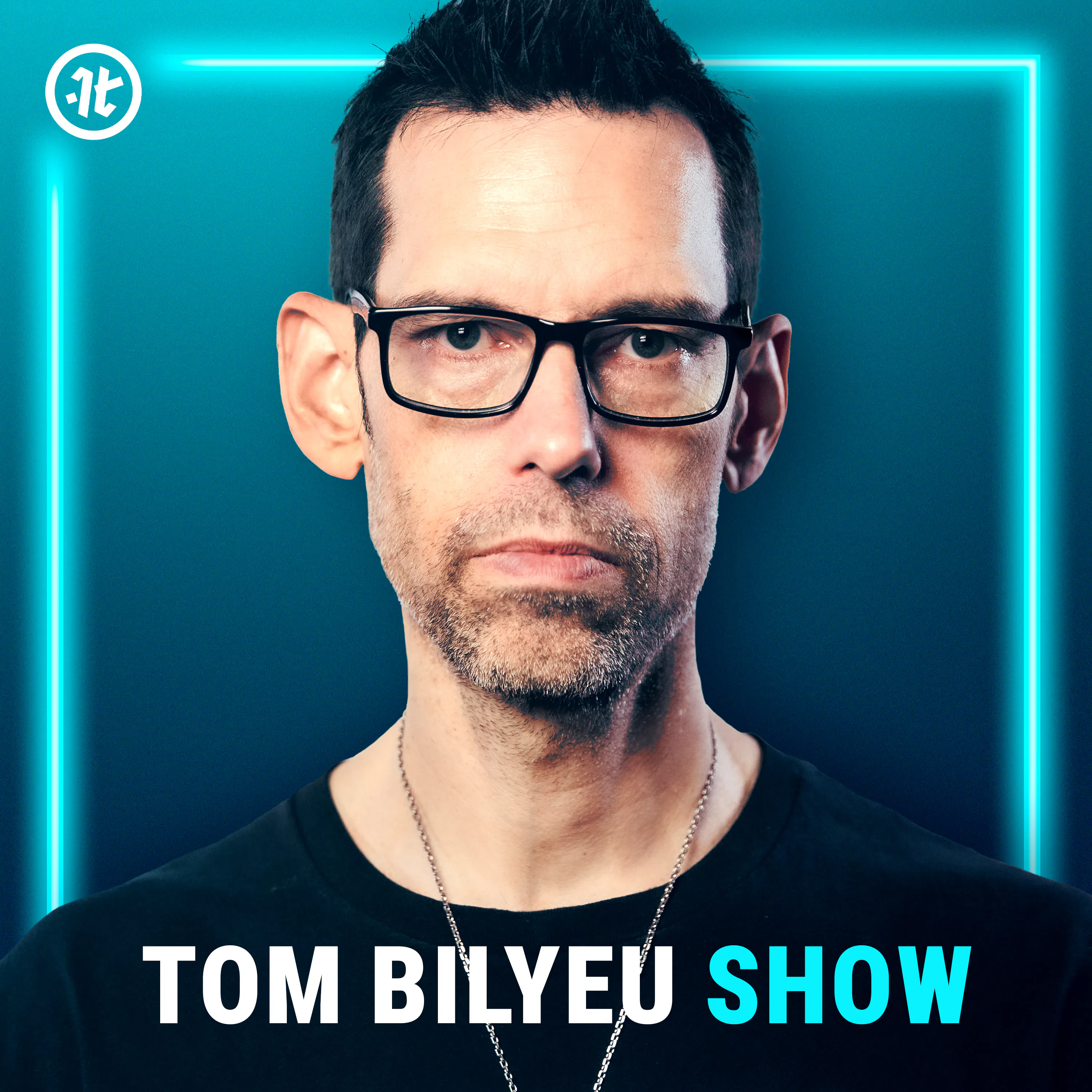
Breakthrough innovation often comes from entrepreneurs holding a non-consensus belief about the future. This vision can seem irrational, like the man live-streaming an inauguration on a laptop in 2009. This conviction in their "secret" knowledge, which others dismiss, is a key trait of visionary founders who can build what others cannot yet see.

Successful people with unconventional paths ('dark horses') avoid rigid five or ten-year plans. Like early-stage founders, they focus on making the best immediate choice that aligns with their fulfillment, maintaining the agility to pivot. This iterative approach consistently outperforms fixed, long-term roadmaps.
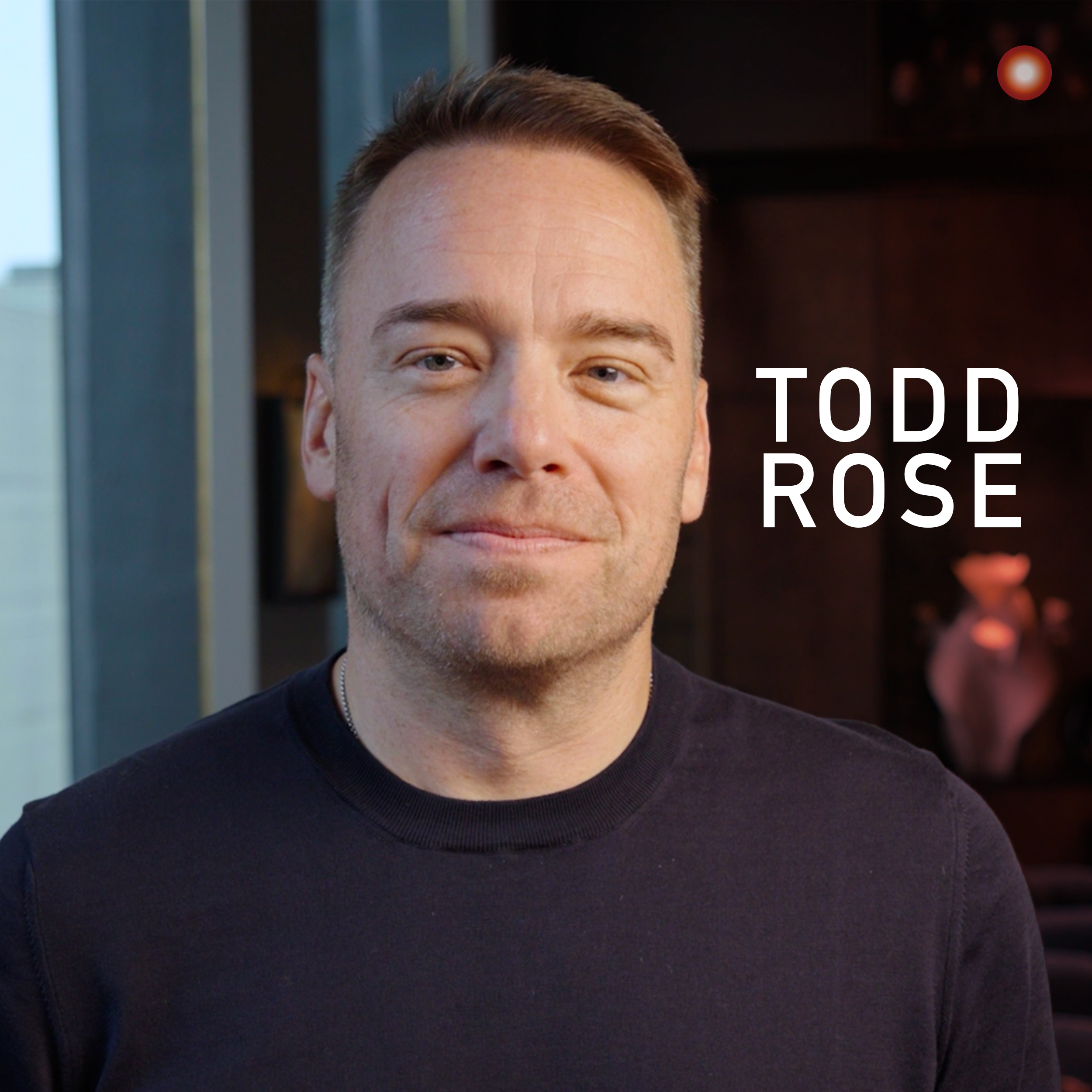
Alibaba's success was fueled by the partnership between Jack Ma, the grand visionary focused on societal change, and Joe Tsai, the pragmatic executor. This highlights a critical dynamic for massive scale: the dreamer needs a trusted operator to translate bold visions into concrete reality.
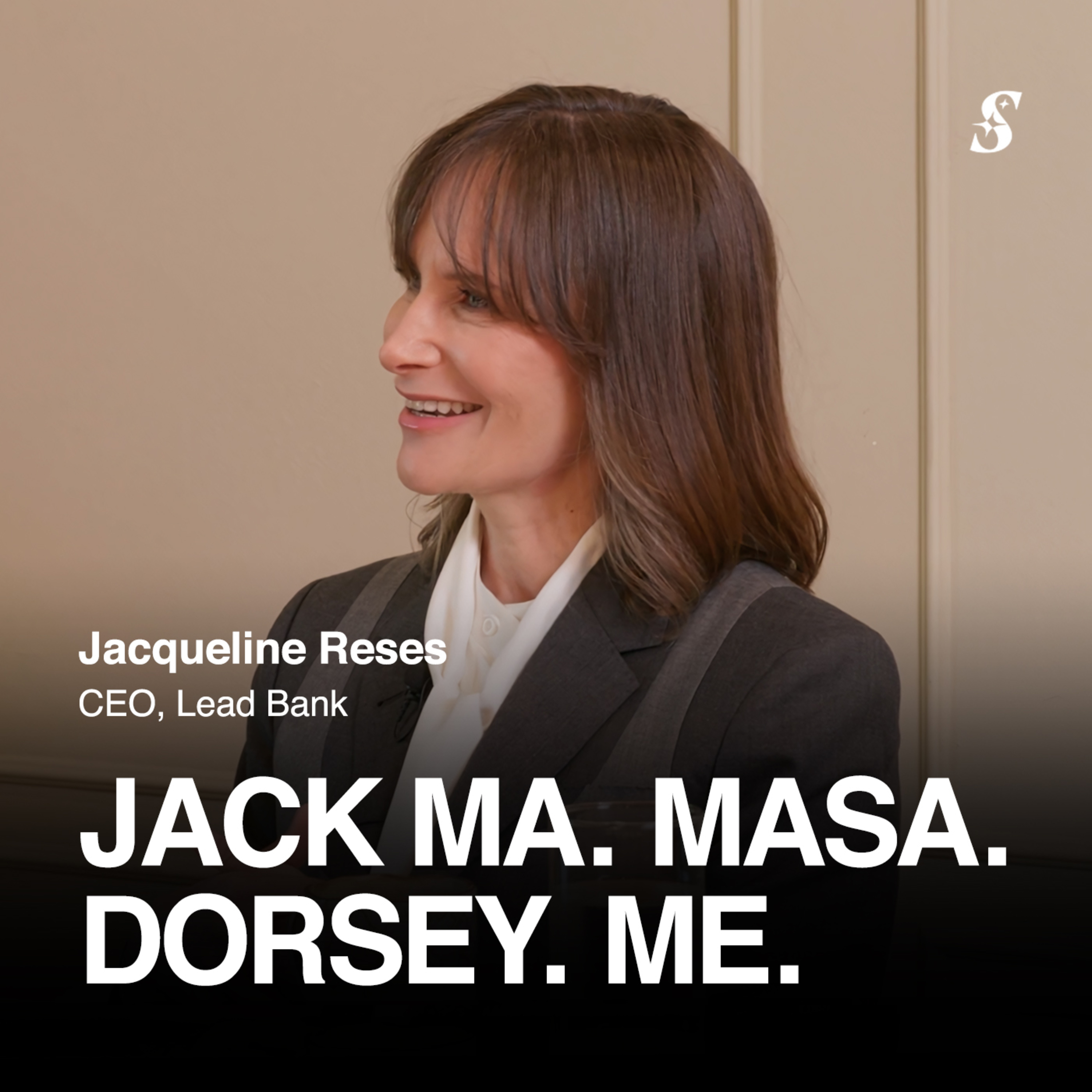
Jim Collins' research shows that highly successful entities don't receive more good luck or less bad luck than their peers. The key differentiator is their "Return on Luck"—their superior ability to recognize and capitalize on a luck event, good or bad, when it happens. This is a far more critical variable than luck itself.
