Get your free personalized podcast brief
We scan new podcasts and send you the top 5 insights daily.
Ben Horowitz emphasizes that while many people had the idea for an electric car or an online bookstore, only entrepreneurs like Elon Musk or Jeff Bezos could build Tesla and Amazon. The critical, non-fungible element is the rare individual with the execution ability, not the initial concept itself.

Related Insights
An entrepreneur's talent is like a bar of iron—valuable, but limited. Its ultimate worth is determined by the hard work and skill applied to refine it into something complex and valuable, like precision parts. Raw talent is simply a multiplier for execution, not a guarantee of success.

Beyond vision, the most exceptional founders can convince top talent to take pay cuts, persuade investors to fund them, and sign initial customers against all odds. This ability to conjure key resources is a primary indicator of success for early-stage investors to identify.

Ben Horowitz states a common VC mistake is over-indexing on a startup's weaknesses. The better investment is a team that is unequivocally the best at a single, critical thing. Being "pretty good" at everything is a red flag, as greatness in one area is what drives extraordinary outcomes.

Technically superior products often fail. The entrepreneur's crucial role, like an orchestra conductor, is to assemble brilliant specialists and guide them to build something the market actually wants. Value is realized in the final, desired product, not just the underlying engineering feat.
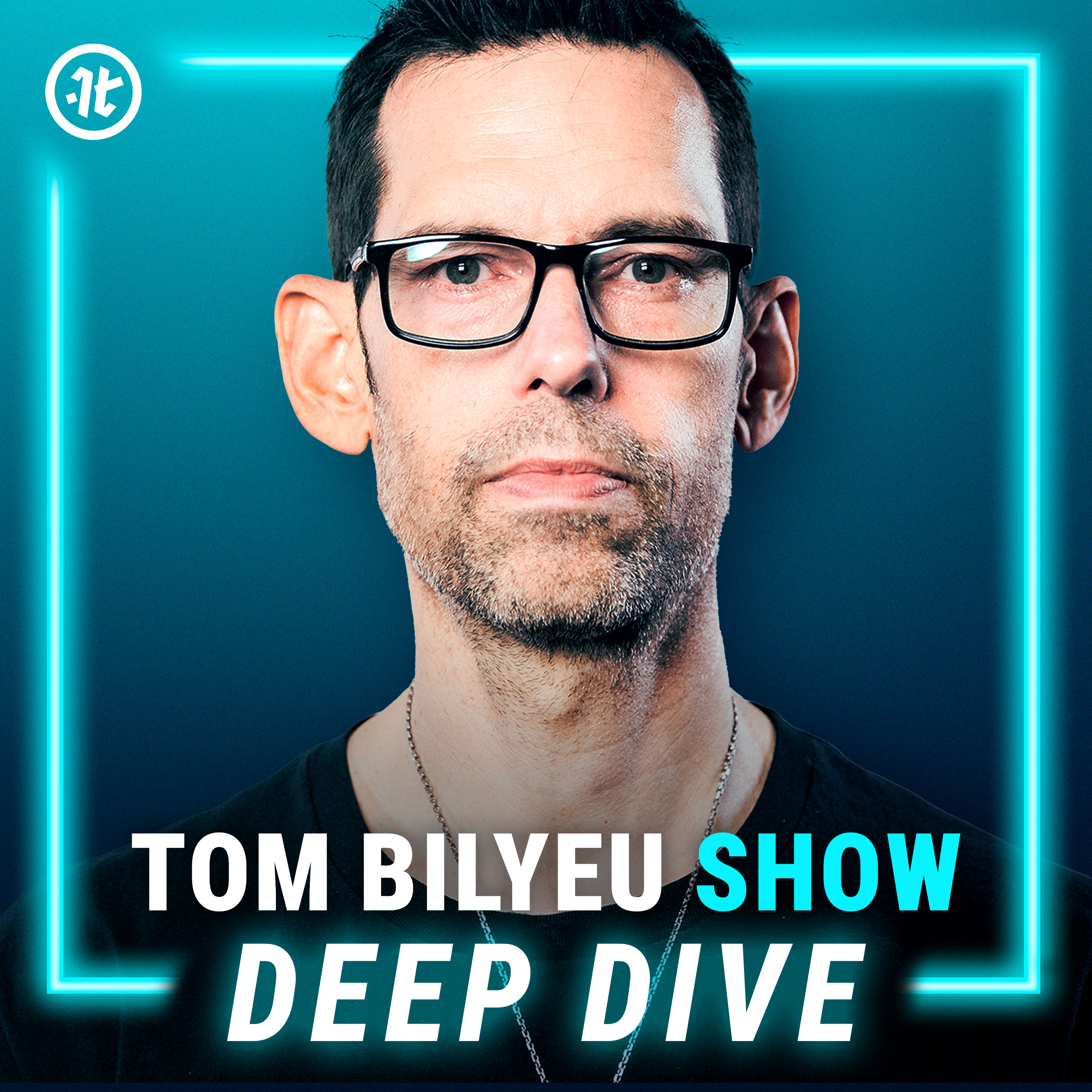
Success stories like Notion's cannot be replicated because they are a direct result of their founder's unique personality and 'narrative violations.' Great companies succeed based on the specific, unrepeatable idiosyncrasies of their founders. The key is to embrace these unique traits, not follow a generic playbook.
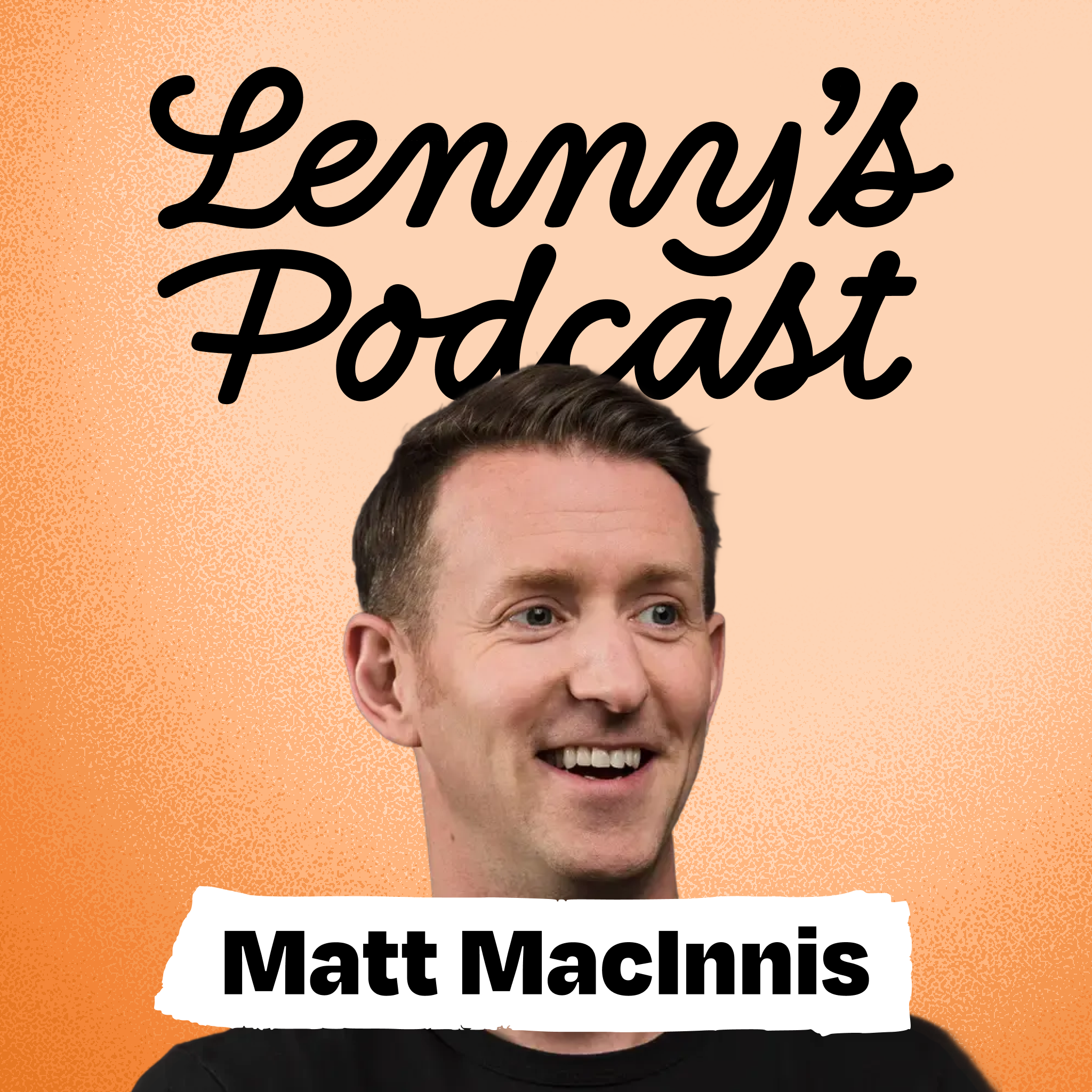
Despite VC preference for co-founding teams, history shows that iconic companies are almost always driven by one singular personality. Co-founders often exit or take a backseat over time, as seen with Steve Jobs's solo turnaround of Apple.

In early-stage investing, the quality of the founder can be more important than the initial business concept. A strong founder is seen as someone who will eventually find success, even if the first idea requires a pivot.
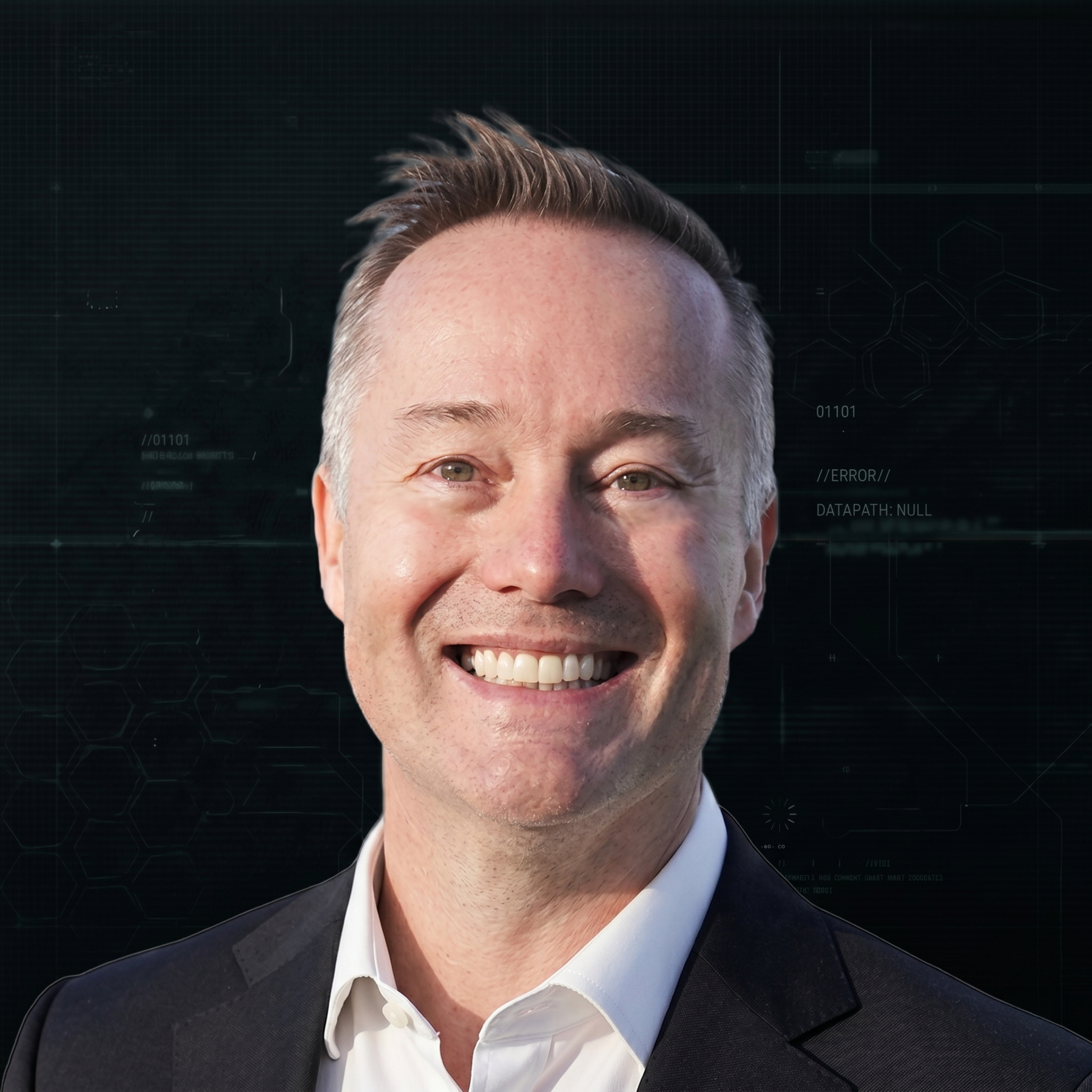
Intelligence is just table stakes. True greatness comes from combining a high IQ with what Ben Horowitz calls "courage"—the determination to overcome any obstacle—and a deep-seated, ambitious drive to create something new, often demonstrated by a history of building things from a young age.
Horowitz instructs his team to focus on how exceptionally good a founder is at their core competency. He warns against two common errors: passing on a world-class individual due to fixable weaknesses, and investing in a founder with no glaring flaws but no world-class strengths.

Venture capital should focus on what a founder does exceptionally well, rather than penalizing them for past failures or weaknesses. Ben Horowitz uses the Adam Neumann example to illustrate their principle: judge people by their spectacular talents (like building the WeWork brand) and help them manage their flaws, which is a more effective strategy than seeking perfectly flawless individuals.
