Get your free personalized podcast brief
We scan new podcasts and send you the top 5 insights daily.
Political messaging that separates economic issues (like grocery prices) from the fight for democracy is ineffective. Leaders should instead argue that protecting democracy is the only way to ensure economic stability and prevent servitude to oligarchs, a strategy used by Lincoln and FDR.

Related Insights
Political messaging that touts positive macroeconomic indicators like GDP growth is ineffective when citizens feel financial pressure. People vote based on their personal budgets and daily costs, making abstract economic reports a "terrible bumper sticker" and a losing campaign strategy.

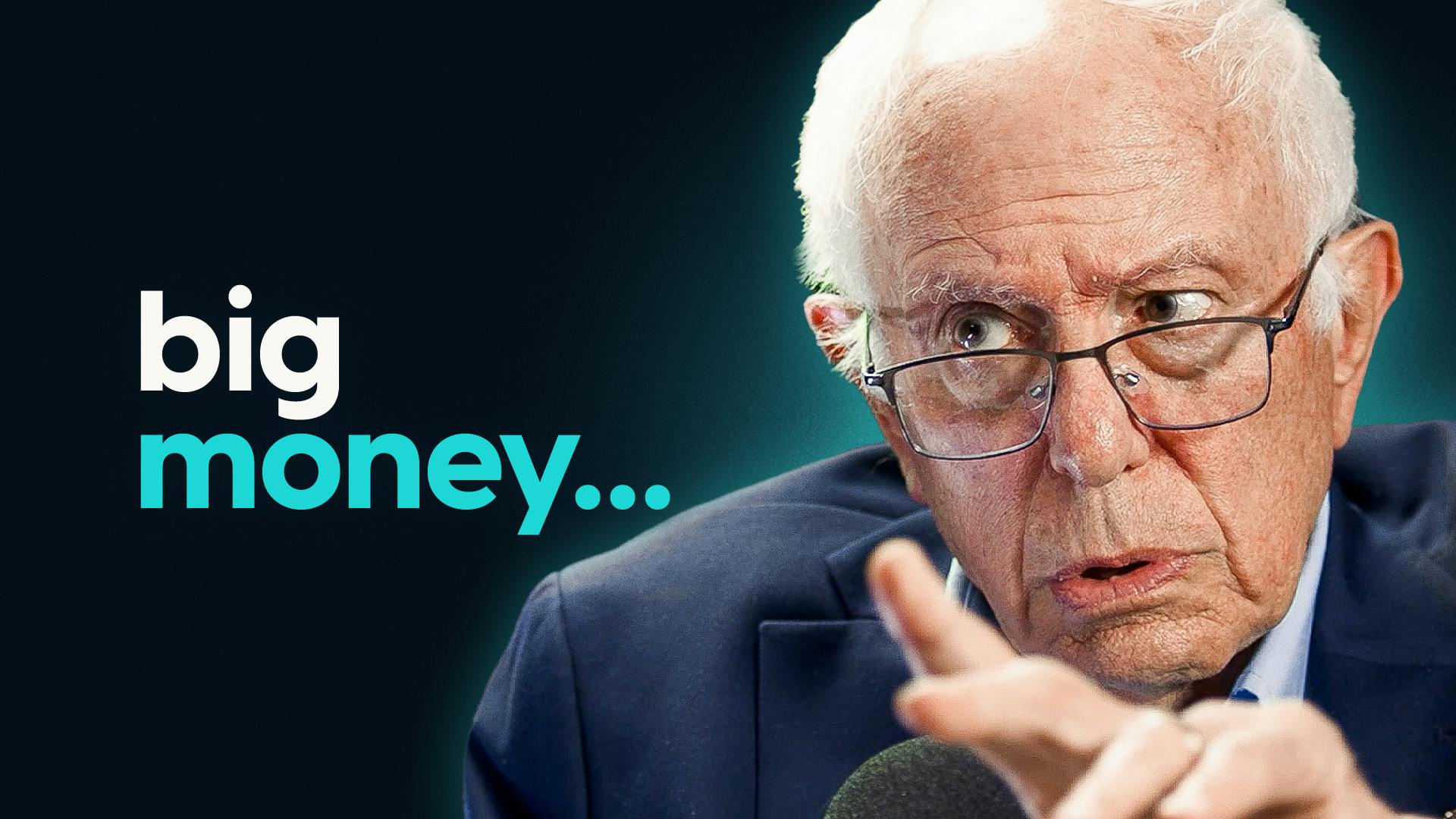
Senator Bernie Sanders argues the Democratic party, once the party of the working class, began courting wealthy donors in the 1970s. This strategic shift led them to neglect core economic issues, causing their traditional base to feel alienated and vote for candidates like Donald Trump.
Recent elections show a clear pattern: politicians win by focusing on groceries, rent, and healthcare. These three categories, dubbed the "unholy trinity," represent the biggest inflation pain points and make up 55% of the average American's cost of living, making them the decisive political issue.

While economic policies like raising the minimum wage have broad benefits, campaign finance reform like overturning Citizens United is more fundamental. It addresses the root cause of political gridlock and corporate influence, which prevents many other positive social and economic changes from being implemented.

Political success hinges on a simple formula: ensure voters can afford their lives, feel safe from crime and border issues, and are not alienated by extreme social stances. Mastering these three pillars is the key to creating a broad, winning coalition.
Political messaging focused on 'equity' and villainizing wealth often backfires. Most voters don't begrudge success; they want access to economic opportunity for themselves and their families. A winning platform focuses on enabling personal advancement and a fair shot, not on what is described as a 'patronizing' class warfare narrative.
The GOP is currently defending economic policies by pointing to macro indicators while ignoring public sentiment about unaffordability. This mirrors the exact mistake Democrats made in previous cycles, demonstrating a dangerous tendency for the party in power to become deaf to the lived economic reality of average citizens and dismiss their concerns.

While repeating a lie can be a powerful political tool, it fails against the undeniable reality of personal economic experience. Issues like grocery and gas prices are 'BS-proofed' because voters experience them directly. No amount of political messaging can convince people their financial situation is improving if their daily costs prove otherwise.
Political alignment is becoming secondary to economic frustration. Voters are responding to candidates who address rising costs, creating unpredictable alliances and fracturing established bases. This dynamic is swamping traditional ideology, forcing both parties to scramble for a new populist message centered on financial well-being.
Leaders who immediately frame issues through a lens of core values, such as constitutionality, build more trust than those who calculate a politically palatable position. The public can detect inauthenticity, making a principles-first approach more effective long-term, even if it seems risky in the short term. Leaders should bring people along to their principled position.
