Get your free personalized podcast brief
We scan new podcasts and send you the top 5 insights daily.
When Airshare first introduced Wi-Fi, some customers were furious. They viewed private flight as their last refuge from constant connectivity and a rare opportunity to be unreachable. This highlights how perceived upgrades can sometimes conflict with a core, unstated value proposition—in this case, forced downtime.

Related Insights
Unlike launching new hardware (an additive choice), forcibly retiring a beloved software version like GPT-4.0 is a "negative launch." It takes something valuable away from loyal users, guaranteeing backlash. This requires a fundamentally different communication and rollout strategy compared to a typical product release.

Adding excessive bonuses and features to justify a price hike often signals a lack of confidence in the core offering. Customers actually prefer a leaner product that delivers the promised transformation faster. More content doesn't always equal more value; it can create overwhelm.

Unlike airlines with limited seats, media has no supply constraints for digital content. Implementing dynamic pricing based on a user's perceived wealth or location could damage brand trust and attract regulatory scrutiny without a clear justification.

High-speed internet on planes is shifting from a luxury to a key deciding factor for business travelers. Airlines offering Starlink, like United, are gaining a significant competitive advantage by turning planes into fully productive workspaces. This trend will force competitors to upgrade and could fuel a resurgence in business travel.

Zipline's CEO argues that gaining public acceptance requires new technology to be superior in every way, including being quieter and less intrusive than the alternative (cars), not just faster or cleaner.
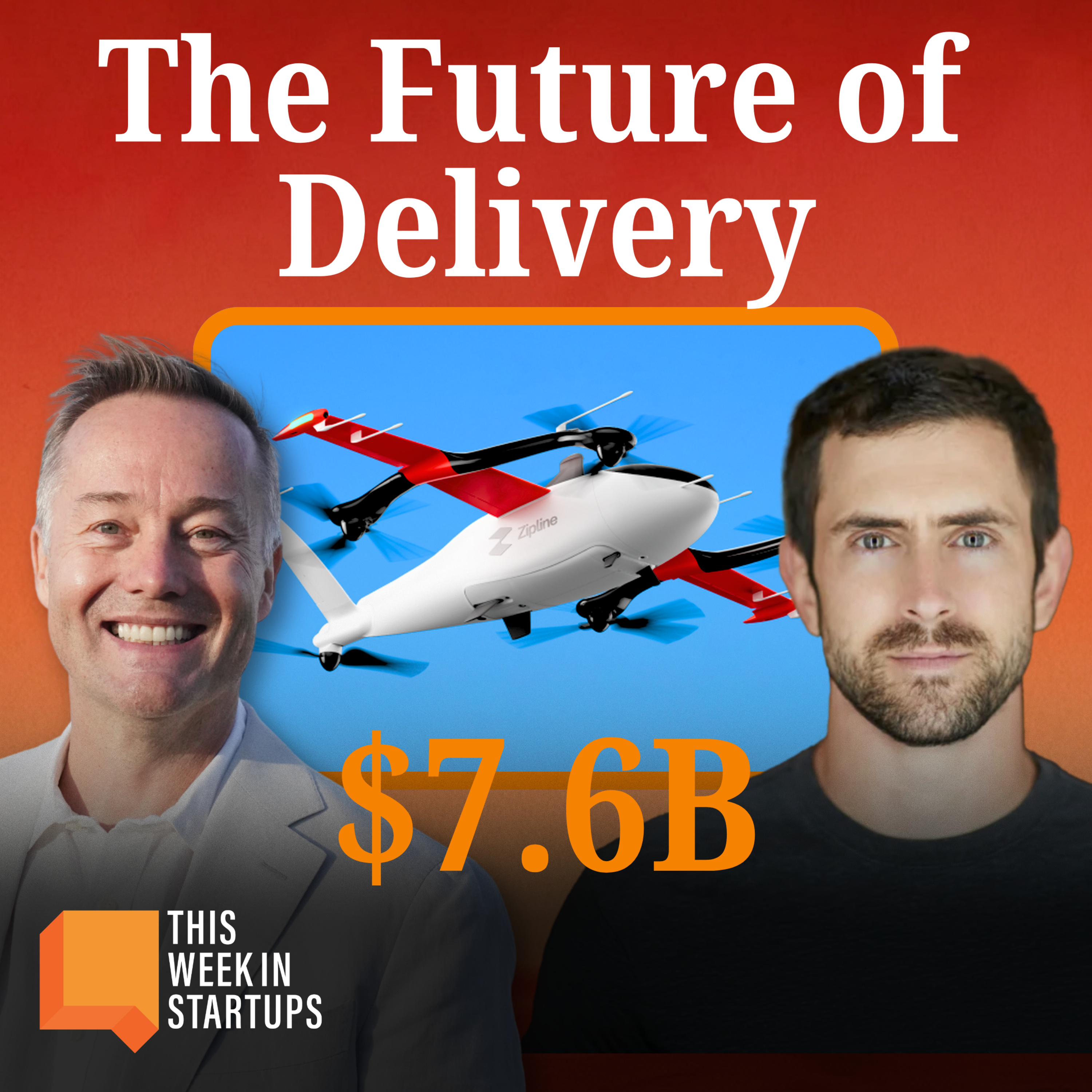
New technology is magical for about a week before it becomes a mundane utility. A nurse complaining that a life-saving blood delivery drone was 30 seconds late illustrates how quickly users normalize revolutionary services and build new, higher expectations.

Samsung faces backlash for putting unskippable ads on its smart fridges without an ad-free tier. This strategy devalues premium products and alienates customers, showing the risk of aggressive "ad creep" into private consumer spaces.

Unlike hardware launches where users can keep their old device, forced software updates like OpenAI's GPT-4o replacing 4.0 take something away from users. This sunsetting aspect creates a sense of loss and resentment, especially for users who have formed a deep attachment to the previous version, violating typical launch expectations.
Chipotle made its popular quesadilla a digital-only menu item because it slowed down the physical service line. This highlights a critical business principle: a great marketing or product innovation that compromises the core operational efficiency of the business is ultimately a value-destructive idea and must be modified or rejected.

While attractive in theory, selling discounted empty leg flights often leads to customer dissatisfaction. The flights are highly fluid and subject to change based on the primary paying customer's schedule. This unreliability results in frequent cancellations, ultimately angering more potential customers than it pleases.