Get your free personalized podcast brief
We scan new podcasts and send you the top 5 insights daily.
Samsung faces backlash for putting unskippable ads on its smart fridges without an ad-free tier. This strategy devalues premium products and alienates customers, showing the risk of aggressive "ad creep" into private consumer spaces.

Related Insights
The danger of ad-supported AI is the potential for subtle, undetectable manipulation. By slightly amplifying concepts related to a product (e.g., the "Coke neuron"), advertisers could influence user thoughts and conversations without their awareness, a modern form of subliminal messaging.

OpenAI faced significant user backlash for testing app suggestions that looked like ads in its paid ChatGPT Pro plan. This reaction shows that users of premium AI tools expect an ad-free, utility-focused experience. Violating this expectation, even unintentionally, risks alienating the core user base and damaging brand trust.
Modern smart homes, with their touch screens and IoT appliances, often create frustrating user experiences. Basic tasks like turning on lights or washing dishes become complex, requiring demos or app installations. This "regression" highlights a systemic failure to prioritize simplicity and reliability over feature-creep in the IoT space.
The narrative that users hate targeted ads is contradicted by their actions. When Meta offered an ad-free subscription in Europe, only 1% of users opted in. This demonstrates a strong revealed preference for free, ad-supported services, even if the ads are perceived as hyper-targeted.
The adoption of ad-blocking software by over half of internet users constitutes a massive, decentralized protest against invasive advertising. This forces companies to weigh the risk of alienating their user base for short-term ad revenue.

According to Palmer Luckey, electronics companies add unwanted crapware and ads because they are in a race-to-the-bottom on price, and no single company can afford to stop alone. He argues that a differentiated product focused on user experience could break this cycle and capture a large, underserved market.

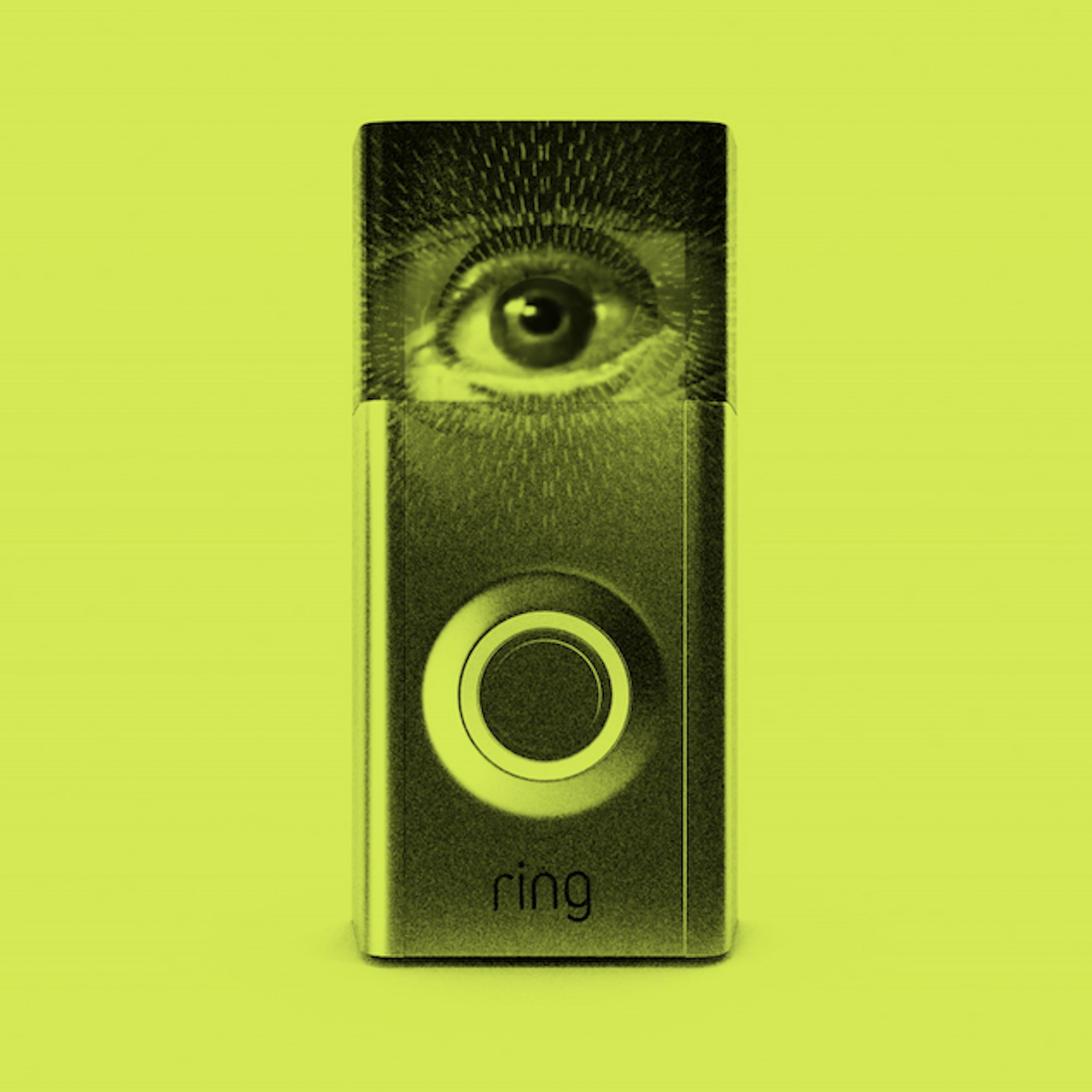
Ring's Super Bowl ad, intended to be a heartwarming story about finding a lost puppy, was interpreted as a promotion for a mass surveillance network. This PR crisis highlights the need for brands to proactively identify and address potential negative perceptions before launching a campaign.
The idea is to put a large, "ugly" QR code on all garbage bins by default. Customers are then offered the option to pay a recurring fee to *remove* the QR code. This reframes the standard product as a discounted, ad-supported version and creates a new, high-margin revenue stream from customers who value aesthetics.

The backlash against J.Crew's AI ad wasn't about the technology, but the lack of transparency. Customers fear manipulation and disenfranchisement. To maintain trust, brands must be explicit when using AI, framing it as a tool that serves human creativity, not a replacement that erodes trust.
A swift and intensely negative public reaction, amplified by social media influencers, directly led Amazon's Ring to cancel its planned integration with surveillance firm Flock Safety just days after its announcement. This shows public opinion on privacy can act as a powerful and immediate check on corporate strategy.