Get your free personalized podcast brief
We scan new podcasts and send you the top 5 insights daily.
Don't force a new rep to build relationships by playing golf just because a veteran does. Instead, codify the process goal (e.g., build rapport for deeper conversations) and empower reps to find their own authentic methods (the art) to achieve it.
Related Insights
A sales process is not a one-time design; it's an initial guess at what might work. In a rapidly shifting market, teams must remain curious, constantly questioning what's effective. This curiosity allows for the flexibility and adaptation necessary to respond to changing customer needs and market conditions.

Your best reps are often "unconsciously competent" and can't explain their own success. Before an SKO, leaders must help these individuals deconstruct their process and build a prescriptive presentation, translating their individual "art" into a replicable science for the entire sales team.

A company reliant on a single charismatic closer cannot scale. To build a repeatable process, identify one or two key, effective actions your top performer takes and build a systemized framework around them for the entire team to adopt.
Legendary CRO John McMahon posits that while the human element of sales (the art) remains constant, the process (the science) has evolved into a highly structured discipline focused on playbooks, messaging, and ideal customer profiles.

The intuitive skills that make a top individual salesperson successful cannot be directly transferred to a team. To scale performance, leaders must deconstruct their own "unconscious competence" into a teachable, repeatable process covering messaging, qualification, and forecasting to enable the entire team.
Effective sales processes establish a high minimum standard for operational excellence, ensuring consistent performance. However, they must remain simple and flexible enough not to stifle the creativity and unique methods of top performers, thus raising the floor without capping the ceiling.

Founders who sell intuitively often can't explain their methods. Instead of expecting new hires to "just do what I do," they need someone who can translate their talent into a teachable process, effectively acting as an interpreter for the rest of the team.
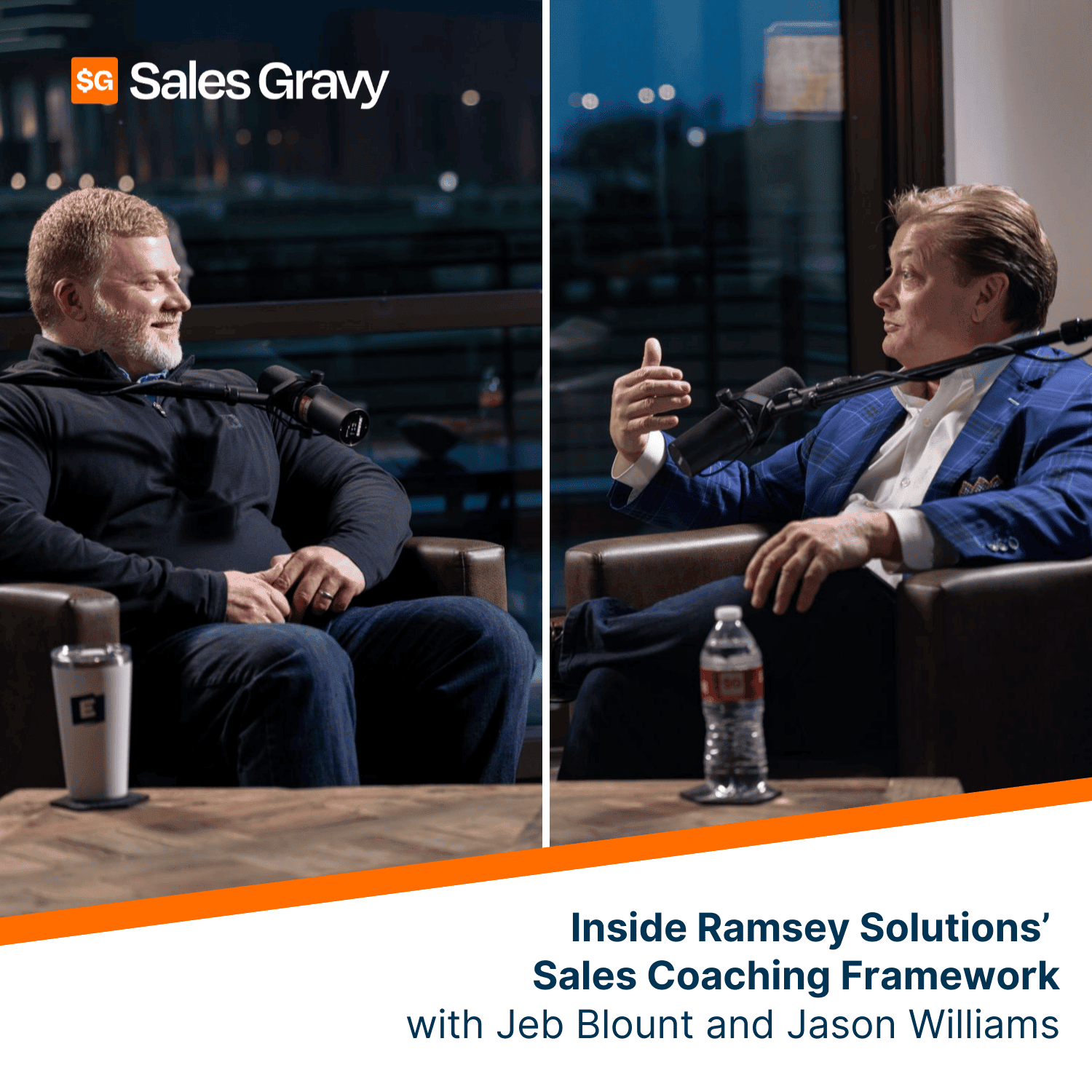
Instead of hiring generic sales trainers, identify your best salesperson, document their unique process—especially for discovery calls, demos, and proposals—and use that as the basis for your internal sales certification program. This creates a highly relevant and proven playbook tailored to your specific product and market.

Create a defined process for every sales activity, from weekly planning to discovery calls, with clear exit criteria. This provides a repeatable playbook, removing guesswork about "what's next" and allowing the sales team to operate faster and more efficiently as it scales.
Like Picasso mastering fundamental techniques before developing his style, elite salespeople develop their "art" only after mastering the "science"—the structure and process of selling. True artistry is built upon a foundation of discipline, not just natural talent.
