Get your free personalized podcast brief
We scan new podcasts and send you the top 5 insights daily.
AI learning tools often backfire because their creators, who are typically disciplined and self-motivated, assume students will use them for deeper learning. They fail to account for the reality that most students struggle with focus and will use the tools as a crutch or a way to cheat.

Related Insights
Students often use AI not out of laziness, but as a logical coping mechanism for an educational system prioritizing final grades over the learning process. Facing immense pressure from multiple courses and jobs, they see AI as a tool to produce a required "product" and survive, revealing a flaw in the system's incentives.
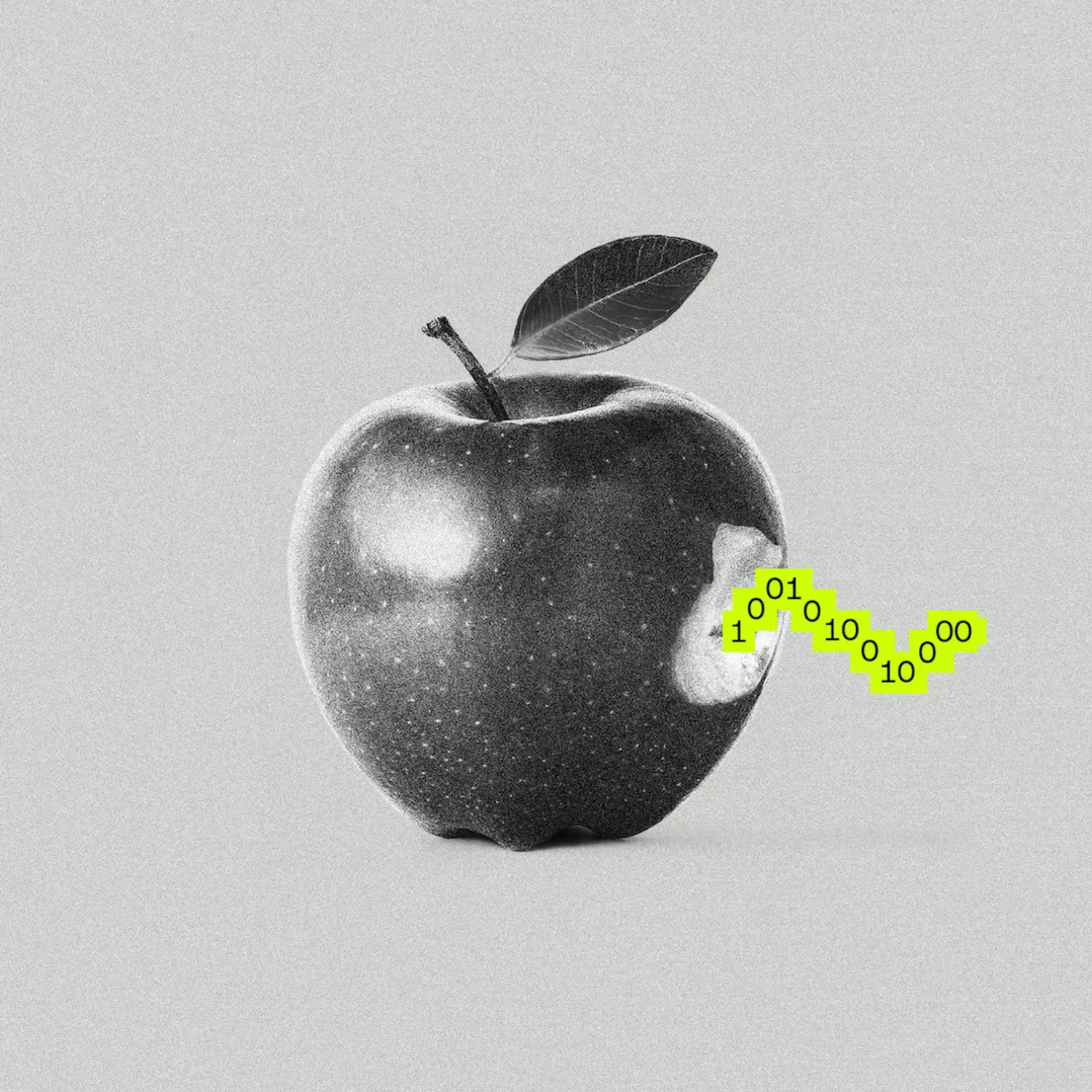
A study found students using AI had 18% higher homework scores but 20% lower exam results. This reverses the long-held correlation where strong homework performance predicted success on tests, suggesting that students are using AI for answers rather than understanding.

Early data suggests that students who are already struggling academically are more likely to use AI simply to get answers rather than as a tool to aid their learning. Without careful oversight from educators, this could exacerbate existing educational disparities and serve as a further drag on student performance.
AI accelerates learning for motivated students but enables disengaged ones to avoid it entirely. This dichotomy makes fostering genuine student engagement the single most critical challenge for educators today, as it is the linchpin determining whether AI is a revolutionary tool or a disastrous crutch.

Instead of just banning AI to prevent cheating, one school district experimented by increasing test frequency. This counterintuitively motivated students to use guided AI learning features to master the material, rather than just get homework answers, proving the need to rethink educational workflows.

The struggle to learn, condense, and articulate an idea is more valuable for comprehension than the final output. Relying on AI shortcuts this cognitive "sweat equity," which studies show leads to poor recall, a loss of individual voice, and only a superficial understanding of the subject.

While cheating is a concern, a more insidious danger is students using AI to bypass deep cognitive engagement. They can produce correct answers without retaining knowledge, creating a cumulative learning deficit that is difficult to detect and remedy.

Beyond academic integrity, the most significant danger AI poses to education is fostering passivity. If students use AI merely to consume answers without struggle, it could undermine their development of agency and motivation, which are critical for deep learning and cognitive growth.

Generative AI's appeal highlights a systemic issue in education. When grades—impacting financial aid and job prospects—are tied solely to finished products, students rationally use tools that shortcut the learning process to achieve the desired outcome under immense pressure from other life stressors.
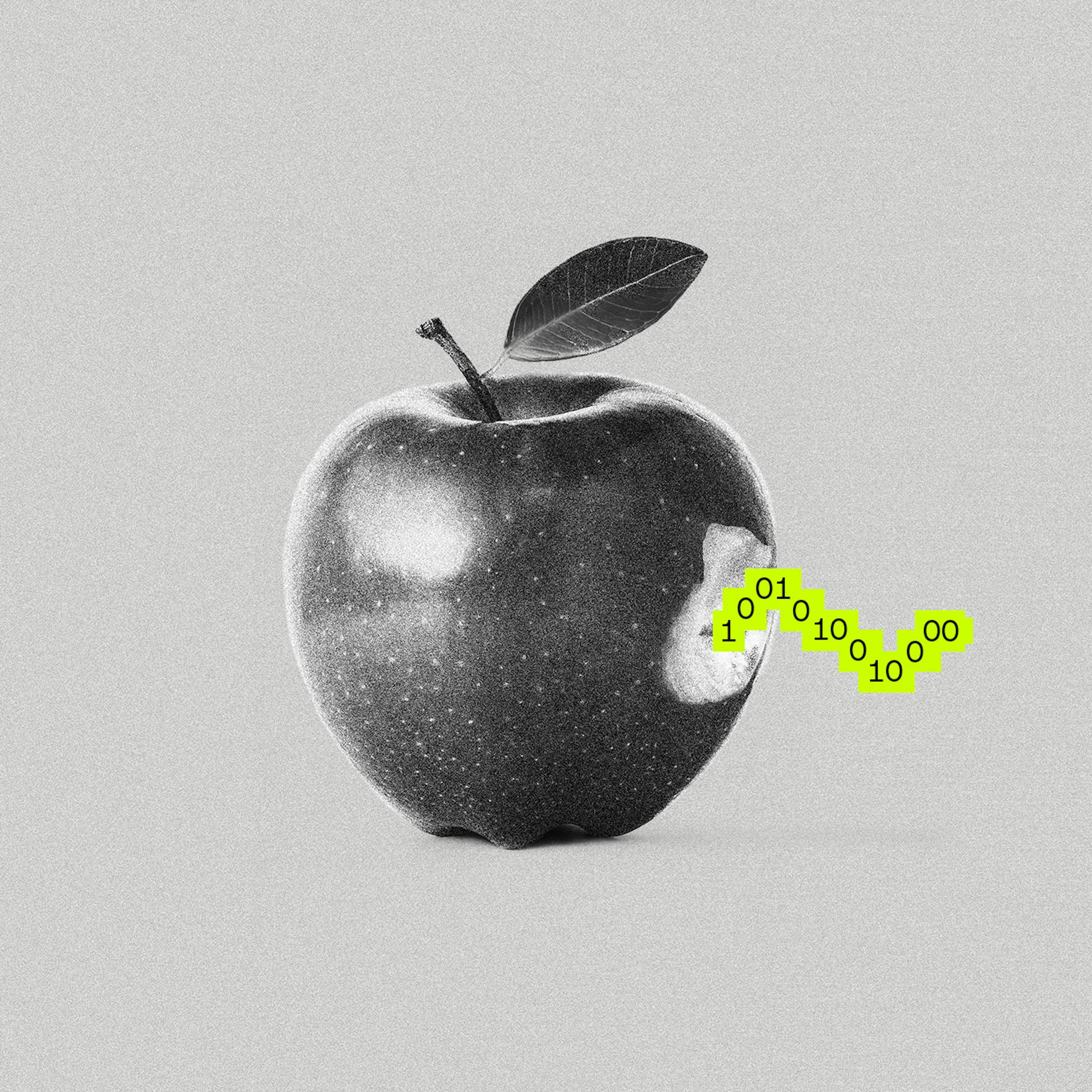
Learning requires effort, but AI tools can create an illusion of understanding without the underlying cognitive work. This poses a significant risk to human capital formation, as students may increasingly rely on AI to do their thinking, leading to a long-term deterioration of skills.
