Get your free personalized podcast brief
We scan new podcasts and send you the top 5 insights daily.
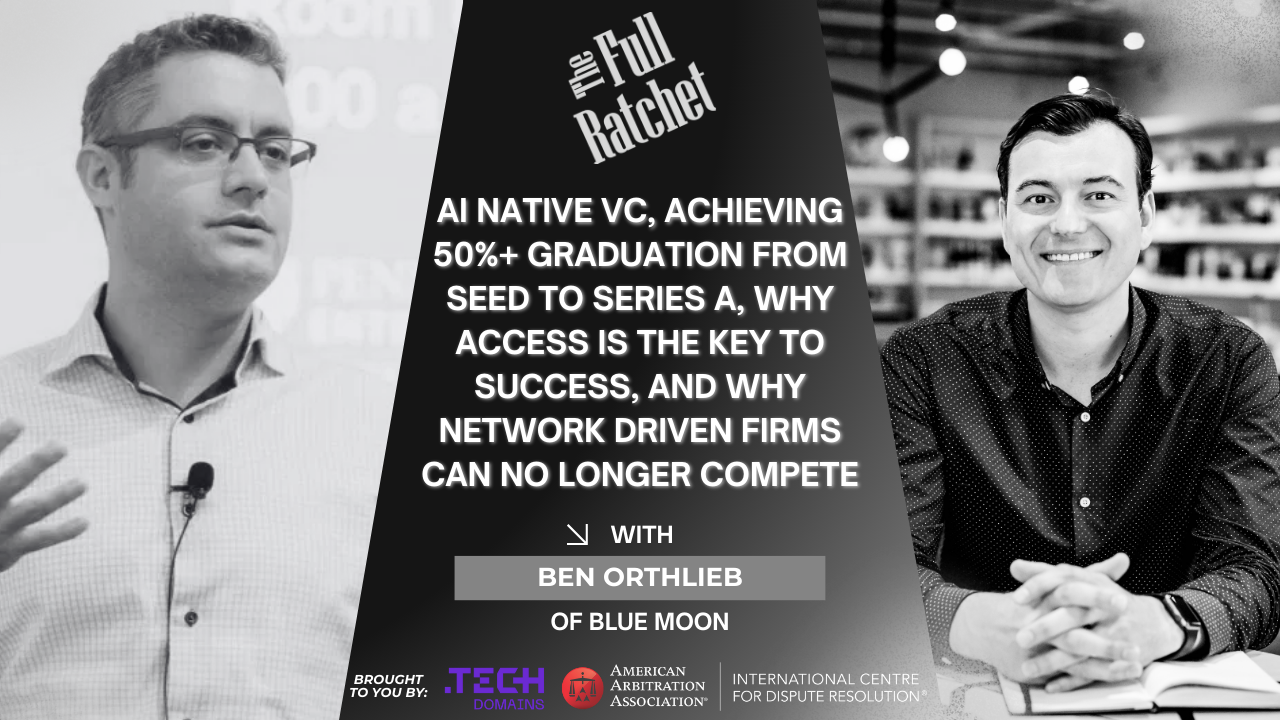
Ben Orthlieb of Blue Moon considers a founder asking to invest in his fund—even after just one meeting—the highest form of validation. This rare action indicates that the VC's approach and process are so compelling that founders see the firm itself as a valuable product worth backing personally, regardless of whether their own company receives an investment.

Related Insights
The strongest signal a VC can receive is when a founder they've backed asks to become a Limited Partner, especially after an exit. It proves the VC's value far exceeded the capital provided, demonstrating deep trust and authentic partnership.

Eric Byunn of Centana Growth advises founders to ask VCs how they would approach picking an investor if they were in the founder's position. This question is a powerful due diligence tool. Beyond providing substantive advice, the investor's response reveals their personality, approach, and ethics in navigating the inherent conflict of interest.
The ideal founder-investor dynamic is built on a shared, unique vision—like being "in on a secret together." When an investor deeply believes in a startup's specific approach, it fosters the trust needed for radical honesty about challenges, which in turn unlocks their network and resources for help.

When founders invest their own money, it signals an unparalleled level of commitment and belief. This act serves as a powerful 'magnetic pull,' de-risking the opportunity in the eyes of external investors and making them significantly more likely to commit their own capital.

To win allocations, VCs should move beyond product and market discussions to a deeply personal conversation about what irrationally drives a founder. Most VCs don't ask about this, and exploring these core motivations builds a unique relationship that secures a spot in the round.
An even more compelling signal than a portfolio founder investing is when a founder you passed on becomes an LP. It proves your firm's feedback and rejection process are so constructive and respectful that it builds a strong reputation, even with those you don't fund.
Reframe the pitch meeting from a judgment session to a mutual evaluation. Founders are selecting a partner for 7-10 years and must assess the investor for chemistry and fit, rather than just seeking capital from a position of need.

During a tough fundraising process, founders should remove emotion and ask themselves a critical question: 'Would I invest my entire personal fortune into this right now?' Answering 'yes' with rational conviction is the key to weathering rejections and ultimately persuading an anchor investor to make the first bet.

A VC has truly succeeded when a founder, in retrospect, feels they were like a co-founder. This signifies a deep, proximate, and unconditional partnership that went beyond transactions or advice, providing existential support through the company's entire journey.
Founders Fund's perk allowing employees to co-invest personally is a clever mechanism to test true conviction. If an investor sponsoring a deal is unwilling to put their own money in, it raises a serious question about their belief in the investment's potential, forcing them to justify why it's a better allocation for LPs than their own capital.