Get your free personalized podcast brief
We scan new podcasts and send you the top 5 insights daily.
Unlike companies that pursue growth at all costs, DoorDash has demonstrated a willingness to shut down operations in markets where it cannot win. This is viewed as a positive signal of capital allocation discipline and a focus on long-term profitability.

Related Insights
To be truly contrarian, find what's becoming the new "consensus playbook" among startups and bet against it. DoorDash chose a simple marketplace model when competitors were pursuing the trendy but complex "full-stack" ghost kitchen model, which ultimately proved to be the right decision.

Success for DoorDash is measured by improving seemingly contradictory inputs for each side of its marketplace. The company's "flywheel" is only considered successful if they simultaneously make the service more affordable for consumers while increasing pay for Dashers and profitability for merchants.

Lacking capital compared to rivals, DoorDash was forced to build a product with superior organic retention. This constraint meant they had to innovate on the core service itself, rather than rely on discounts, creating an "unfair advantage" once they could raise money.
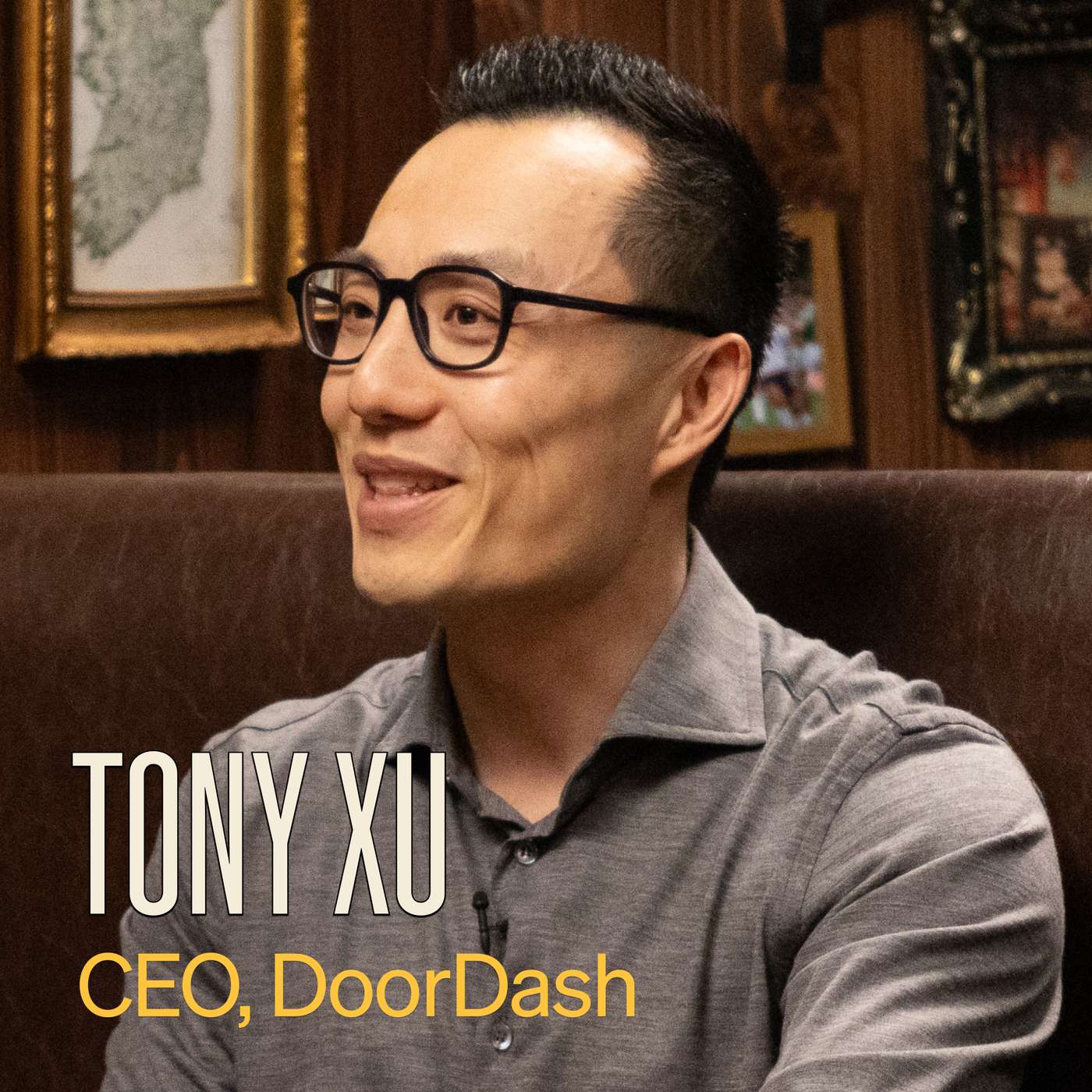
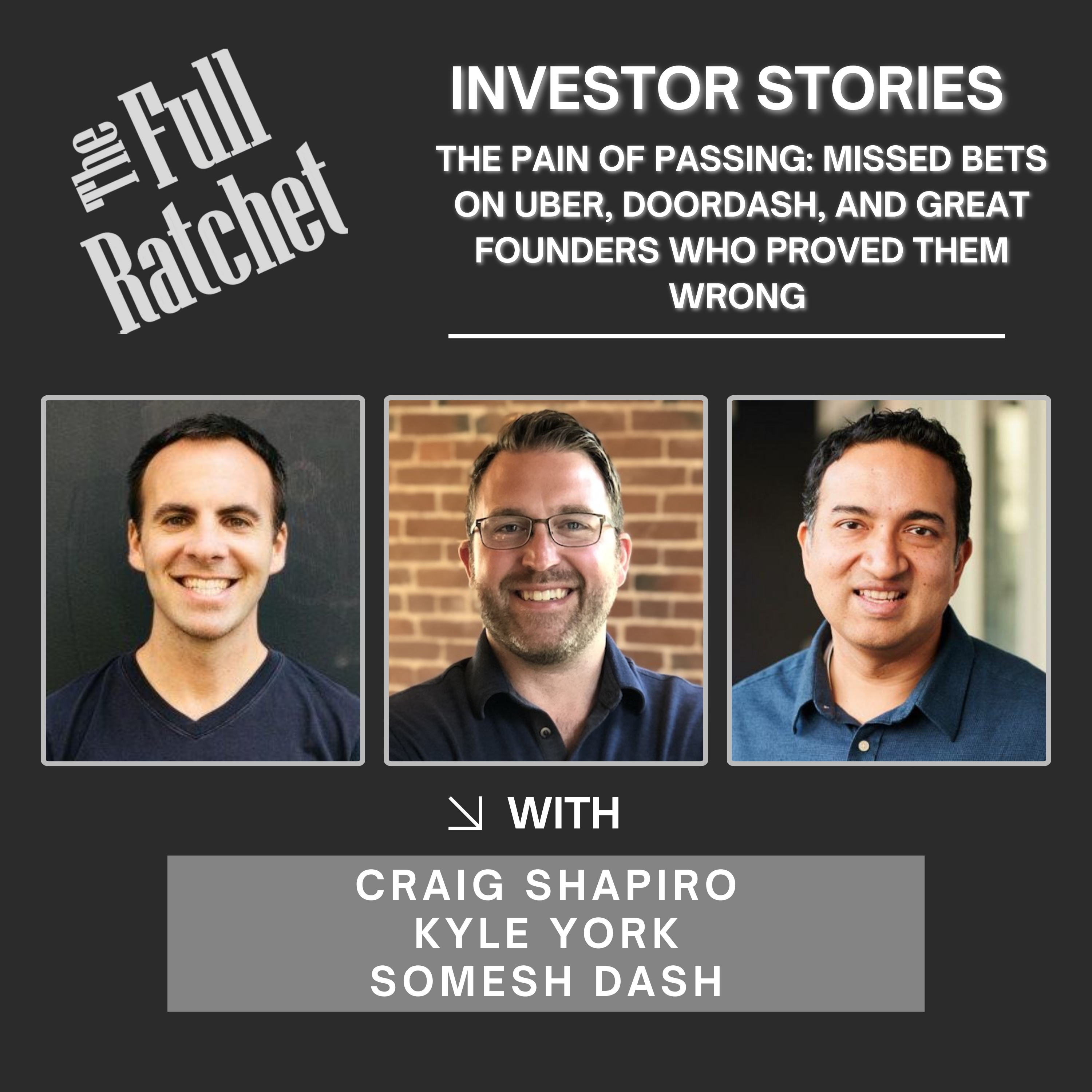
Samesh Dash of IVP passed on DoorDash because he couldn't reconcile its negative gross margins with its valuation. This highlights the venture dilemma of choosing between a visionary founder with a massive vision and the harsh reality of current, unsustainable unit economics during a heavy investment phase.
To scale nationally, first 'crawl' by perfecting operations and unit economics in a single market. Then 'walk' by adapting the model to a few different market types (e.g., city vs. suburb). Only then can you 'run' by creating a playbook for rapid expansion.

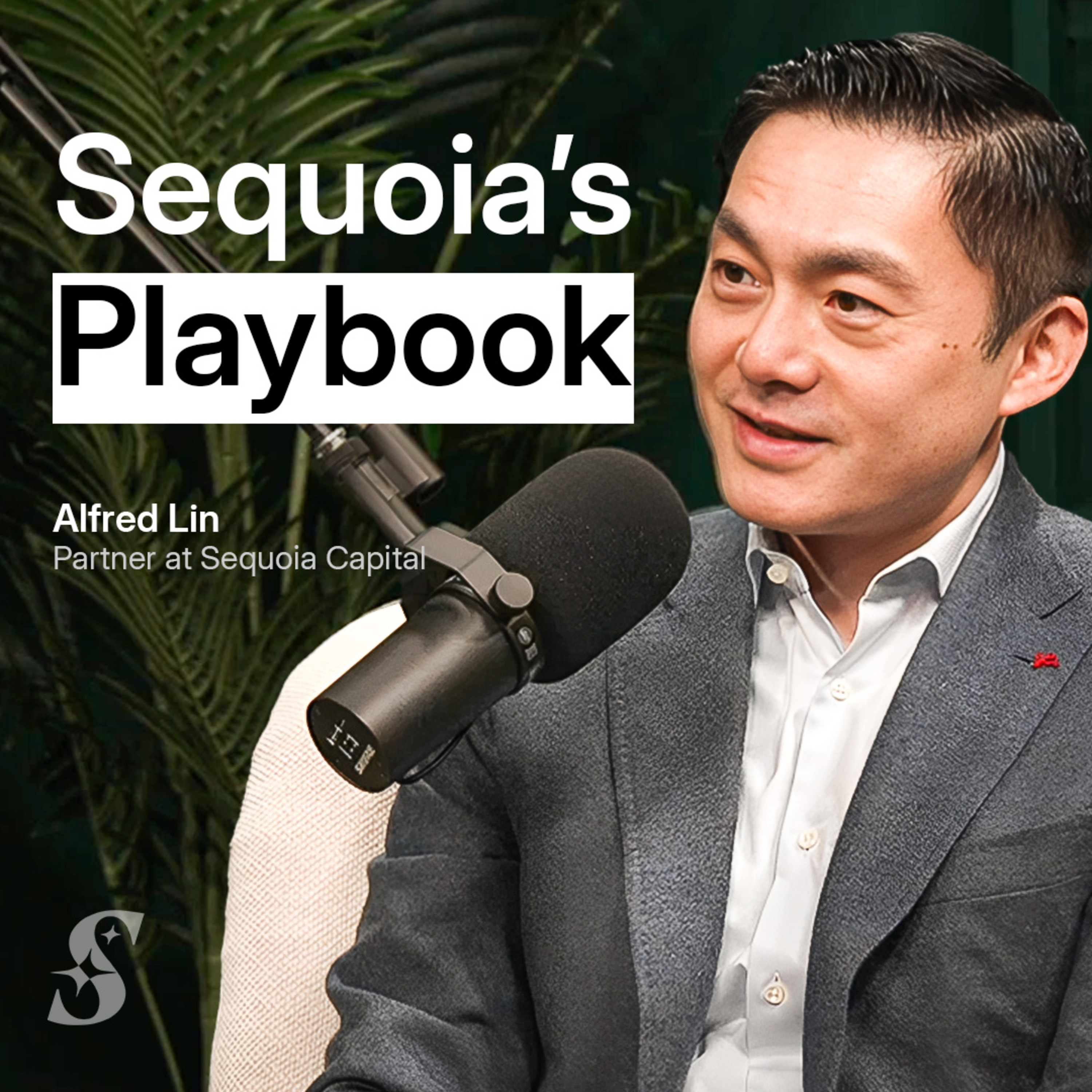
While competitors viewed capital as a strategic weapon, DoorDash focused on capital efficiency. Their goal was to be twice as effective with every dollar spent on customer acquisition. Lin emphasizes that capital is fuel, but it's useless without a 'fire burning'—a product with real engagement.
While seemingly similar to competitors, DoorDash consistently outperforms on key metrics like delivery speed, fees, merchant selection, and customer satisfaction. This comprehensive product superiority, driven by a 'maniacal' management focus, creates a durable moat.
The CEO rejects the cycle of repeatedly tapping capital markets, arguing it creates bad habits. Instead, he is forcing the company to be funded by its own cash flow, even if it means foregoing some growth. This "painful" discipline is seen as essential for long-term health and operational excellence.
![Opendoor: Q1 2026 Earnings - [Business Breakdowns, EP.245] thumbnail](https://megaphone.imgix.net/podcasts/abec2476-4a94-11f1-ba4c-130e07a16fae/image/fd9bcf8c49f565897d58676655031c9a.jpg?ixlib=rails-4.3.1&max-w=3000&max-h=3000&fit=crop&auto=format,compress)
While massive "kingmaking" funding rounds can accelerate growth, they don't guarantee victory. A superior product can still triumph over a capital-rich but less-efficient competitor, as seen in the DoorDash vs. Uber Eats battle. Capital can create inefficiency and unforced errors.

Unlike purely digital ('Bits') businesses where finance is simpler, physical ('Adams') businesses like DoorDash require executives to obsessively manage unit economics from the start. They are often initially unprofitable, so making the math work is paramount.