Get your free personalized podcast brief
We scan new podcasts and send you the top 5 insights daily.
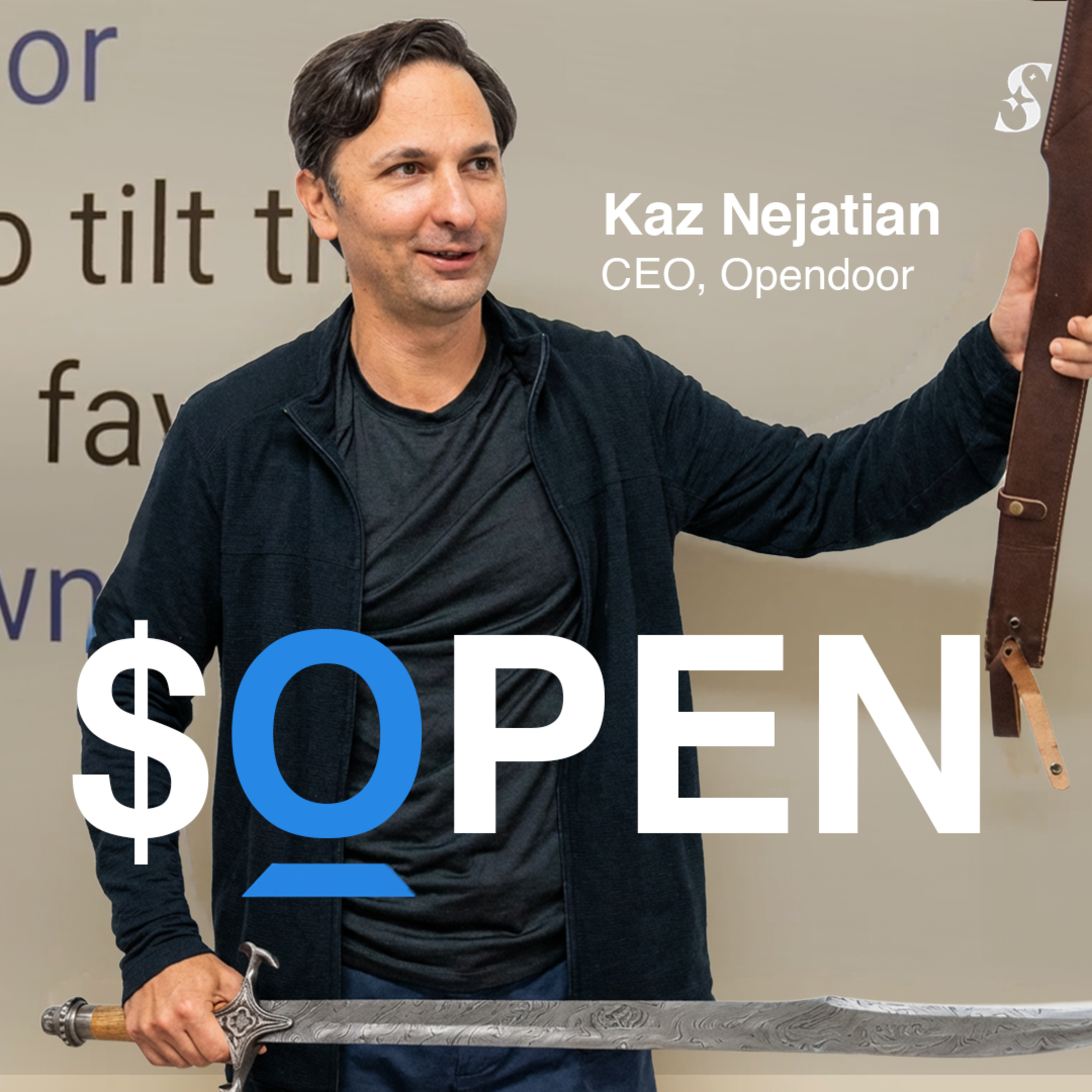
The CEO rejects the cycle of repeatedly tapping capital markets, arguing it creates bad habits. Instead, he is forcing the company to be funded by its own cash flow, even if it means foregoing some growth. This "painful" discipline is seen as essential for long-term health and operational excellence.
![Opendoor: Q1 2026 Earnings - [Business Breakdowns, EP.245] thumbnail](https://megaphone.imgix.net/podcasts/abec2476-4a94-11f1-ba4c-130e07a16fae/image/fd9bcf8c49f565897d58676655031c9a.jpg?ixlib=rails-4.3.1&max-w=3000&max-h=3000&fit=crop&auto=format,compress)
Related Insights
Contrary to common advice, the founder deliberately raised capital in small increments, never securing more than 12 months of runway. He found this self-imposed pressure was a powerful forcing function that kept him and the team sharp and focused on hitting critical milestones.

Health tech can't burn cash indefinitely like other tech sectors due to long timelines and complexity. Founders must design their company to achieve profitability at multiple stages, creating self-sustaining platforms before pursuing the next level of growth and investment.

By mindfully rejecting a "growth at any cost" approach and external funding, Hostinger was forced to maintain fiscal discipline from day one. This bootstrapped mindset became a competitive advantage when the market shifted, as the company was already operating under the sustainable, cash-flow positive rules its VC-backed competitors suddenly had to adopt.

The era of 'growth at all costs,' funded by cheap VC money, is over. The market now demands that startups operate as 'earnings businesses' with a clear path to profitability. This fundamental shift forces founders to prioritize operating efficiency and sustainable growth over pure market capture.

Beluga Labs adopted a small business mindset from day one, ensuring they were profitable on their very first customer. This financial discipline, counter to the "growth at all costs" mentality, keeps margins high and reduces reliance on continuous VC funding, giving the founders more control and a sustainable path forward.

The founder claims that with modern tooling, his engineering and product teams are 5-10x more efficient. This increased productivity allows the company to scale without the large headcount and burn rate that traditionally necessitates frequent fundraising, making profitability a more attractive path.

David Cohen observes that founders who are inherently frugal or "stingy" with capital—spending only when absolutely necessary—often achieve better outcomes. This mindset, focused on capital preservation and efficiency, is a more powerful indicator of success than simply raising large rounds to fuel growth, a trait he has seen in his own entrepreneurial career.

Venture capital can create a "treadmill" of raising rounds based on specific metrics, not building a sustainable business. Avoiding VC funding allowed Donald Spann to maintain control, focus on long-term viability, and build a company he could sustain without external pressures or risks.

CEO Kaz Nejatian's compensation is a $1 salary, and he pays for his own benefits, resulting in a net-negative cash flow. This is an extreme form of "skin in the game" that aligns his incentives entirely with long-term shareholder value over a personal paycheck.
Early on, the founder ran Turbopuffer's cloud infrastructure on his personal credit card. When a large customer's usage bill skyrocketed, the immense financial pressure forced the team to optimize relentlessly, leading them to become profitable out of necessity rather than strategy.