Get your free personalized podcast brief
We scan new podcasts and send you the top 5 insights daily.
The next generation of agents won't just wait for explicit instructions. After a user mentioned buying a MacBook without asking for help, the AI independently researched the best price and presented a link the next morning. This shows a shift from a command-based tool to a proactive partner.

Related Insights
OpenAI's hardware strategy differentiates by creating proactive AI devices. The smart speaker will observe users via video and nudge them towards actions it believes will help them achieve their goals, a significant shift from the reactive nature of current assistants like Alexa.

Grammarly's new agent is designed around three attributes: it works everywhere, it proactively offers help, and it's connected to user data across platforms. This trifecta creates a powerful, integrated user experience that feels seamless and intelligent.

AI agents move beyond simple command-response when embedded in ambient hardware like smart speakers. By passively hearing daily conversations and environmental cues, they gain the context needed for proactive, truly helpful interventions.

The future of AI in e-commerce isn't just better search results like Amazon's Rufus. The shift will be towards proactive, conversational agents that handle the entire purchasing process for routine items, mirroring the "one-click" convenience of the original Amazon Dash button but with greater intelligence.

The next wave of AI tools, like the prototype Nebula, will operate in the background. By connecting to work apps like Slack or GitHub, they will anticipate needs and proactively generate summaries, meeting prep docs, and updates without being asked.

The primary interface for AI is shifting from a prompt box to a proactive system. Future applications will observe user behavior, anticipate needs, and suggest actions for approval, mirroring the initiative of a high-agency employee rather than waiting for commands.

Agentic commerce will progress through stages: first automating web forms; second, enhanced semantic search; and third, using persistent user profiles for recommendations. The ultimate stage will be anticipatory AI, which proactively suggests purchases based on deep user understanding before a need is explicitly stated.
Clawdbot can autonomously identify market trends (like X's new article feature), propose new product features, and even write the code for them, acting more like a chief of staff than a simple task-doer.
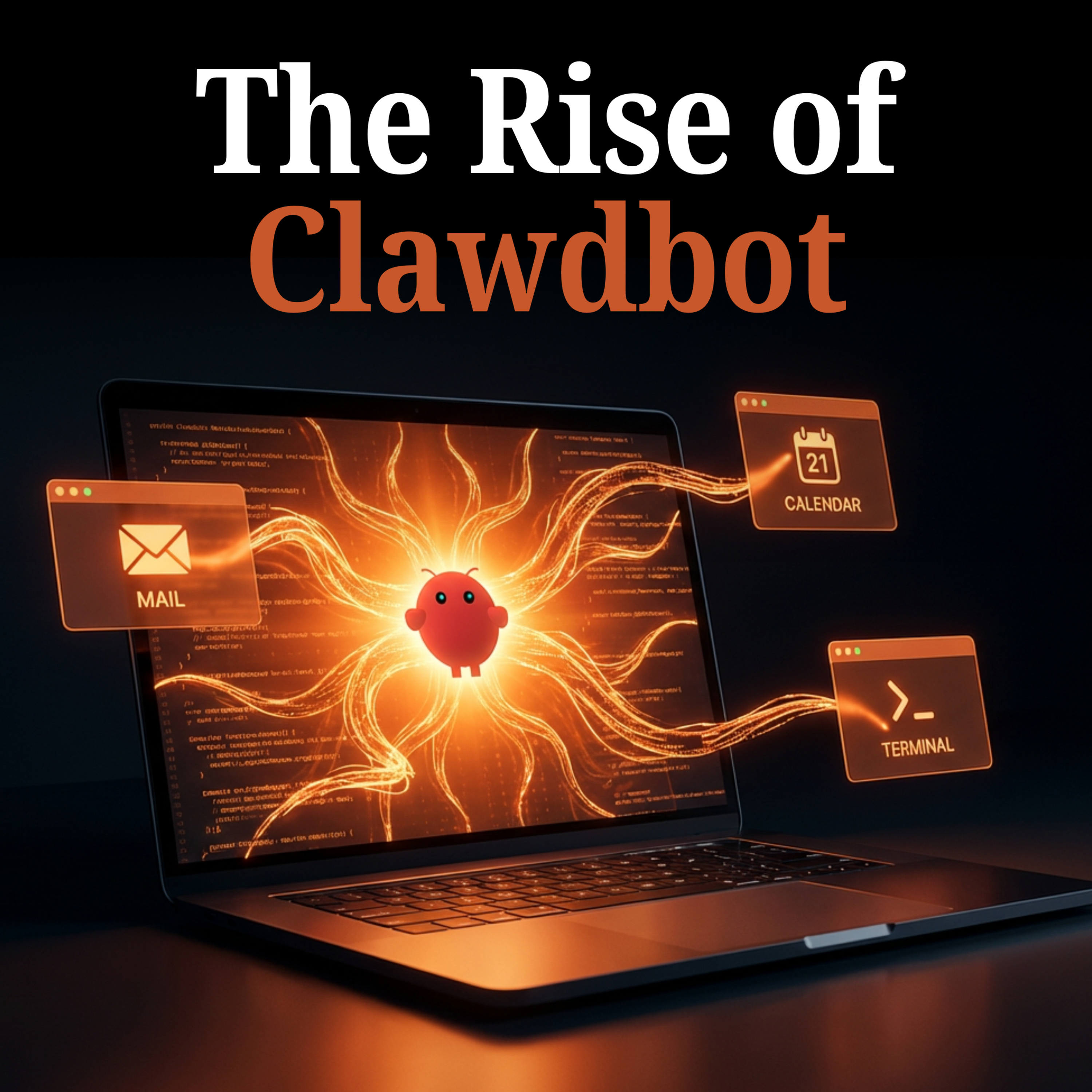
Unlike session-based chatbots, locally run AI agents with persistent, always-on memory can maintain goals indefinitely. This allows them to become proactive partners, autonomously conducting market research and generating business ideas without constant human prompting.

The current chatbot model of asking a question and getting an answer is a transitional phase. The next evolution is proactive AI assistants that understand your environment and goals, anticipating needs and taking action without explicit commands, like reminding you of a task at the opportune moment.
