Get your free personalized podcast brief
We scan new podcasts and send you the top 5 insights daily.
The U.S. Embassy and CIA were unaware that the Shah was dying of leukemia, dismissing rumors as Russian propaganda. This critical intelligence gap meant they couldn't understand his indecisiveness and erratic behavior as the crisis escalated, misreading the entire situation.

Related Insights
The Shah’s power was tainted by foreign intervention: his father's British-backed coup and his own ascension after the British forced his father to abdicate. This narrative of being a foreign puppet permanently undermined his domestic legitimacy and was exploited by his opponents.
Meaningful reform in Iran is unlikely until the succession of the 86-year-old Supreme Leader is resolved. Deep uncertainty over who will hold power paralyzes the political system, preventing any faction from making significant changes and forcing the country into a holding pattern until the leadership transition occurs.
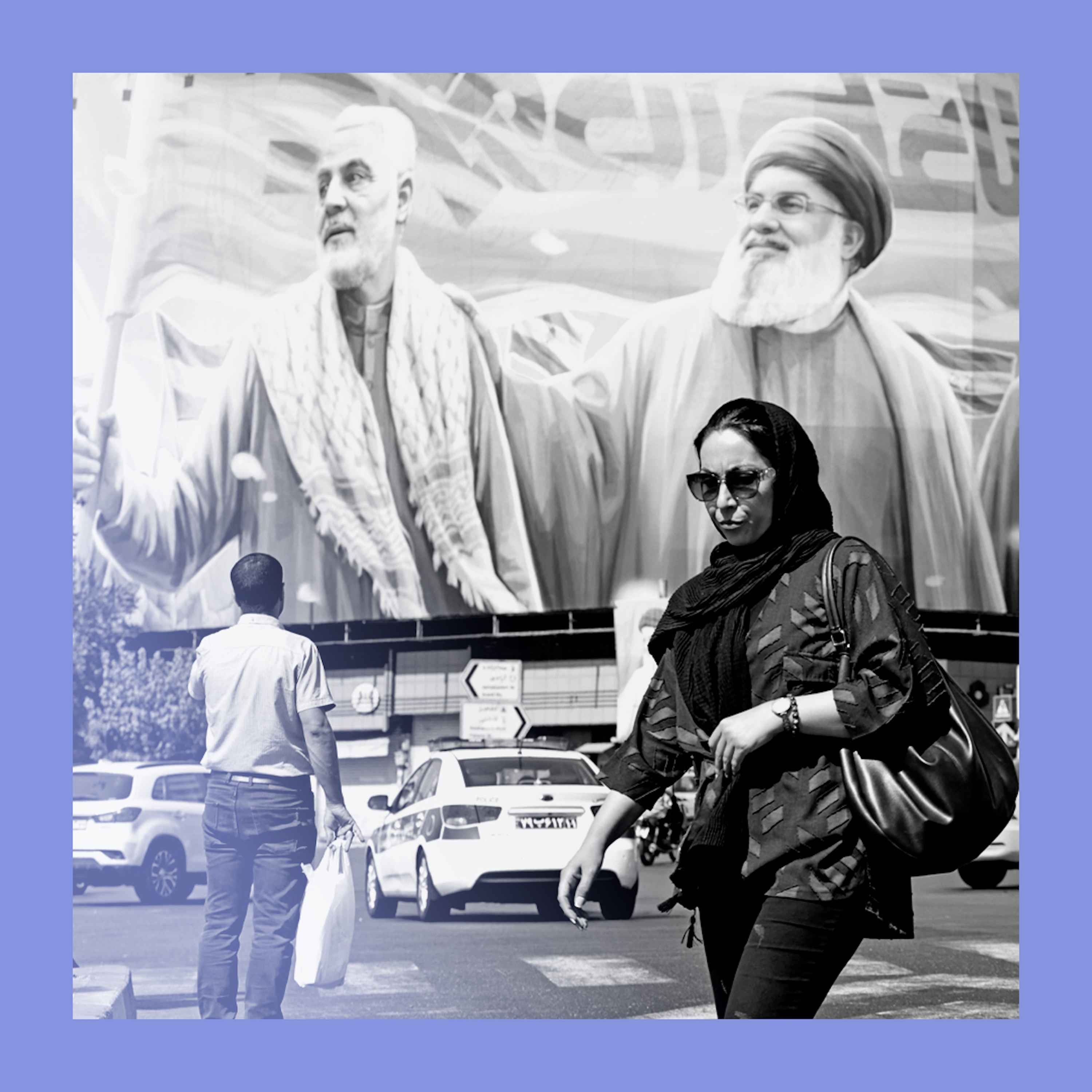
Iran is at a critical inflection point as its aging and ill Supreme Leader, Ayatollah Khamenei, has no clear successor. The constitutional requirements for the role were tailored specifically for his predecessor, Khomeini. With no one in the wings who meets the criteria, the country faces significant instability upon his death.

The U.S. ambassador in 1977 was shocked that few staff spoke Farsi or had ever left Tehran. This linguistic and cultural isolation meant they lacked links to opposition groups, and their intelligence was based almost solely on the Shah's insulated royal court.
Days before Iran's 1978 revolution, President Jimmy Carter lauded the Shah's leadership and Iran's "stability." This highlights a catastrophic failure of intelligence and a reliance on superficial state-level relationships over understanding ground-level dissent.
A former CIA operative suggests that government secrecy is frequently a tool to hide administrative incompetence, premature announcements, or procedural errors, rather than to cover up nefarious, large-scale conspiracies. This perspective reframes public distrust from calculated malice to bureaucratic failure.
The Iranian Revolution was fueled by a Shia worldview centered on martyrdom, cosmic struggle between good and evil, and an apocalyptic final battle. U.S. policymakers, lacking any understanding of this religious framework, were completely unprepared for its political power.
The Shah's shy, anxious personality, a product of his overbearing military father, made him susceptible to a personality cult. This detachment from reality, coupled with a Westernized worldview, prevented him from understanding the deep-seated grievances of his people.
Dara Khosrowshahi theorizes the Shah of Iran's regime collapsed because he modernized too fast, focused excessively on military power over industrial growth, and failed to bring along rural populations and integrate Islam into his vision, creating a power vacuum for the Islamic regime to exploit.

Unlike nascent revolutionary states that rally against foreign attacks, late-stage dictatorships are weakened by military defeats. Iran's recent humiliations by Israel and the US have exposed incompetence and eroded the public's perception of strength, fueling protests and accelerating the regime's demise.
