Get your free personalized podcast brief
We scan new podcasts and send you the top 5 insights daily.
For prostate cancer patients with comorbidities like obesity and poorly controlled diabetes, initiating a GLP-1 agonist is beneficial regardless of cancer therapy. This intervention not only manages their metabolic syndrome but also makes it feasible and safer to administer potent drugs like Capivasertib, which can worsen hyperglycemia.

Related Insights
The impact of GLP-1 medications like Ozempic extends far beyond weight loss. Emerging research shows profoundly positive second-order effects, including halving metastatic cancer growth rates and potentially delaying dementia and Alzheimer's, signaling a massive, unexpected public health revolution.

The hyperglycemia caused by PI3K inhibitors is a direct on-target effect. These drugs inhibit the PI3K pathway, which is the same pathway insulin uses to signal glucose to enter cells. This mechanistic understanding explains why giving insulin is ineffective for managing this side effect. Instead, oral agents like metformin or GLP-1s are required.
While known for weight loss, GLP-1 agonists are also highly effective for managing hyperglycemia from both steroids and PI3K inhibitors. Using low or "micro" doses can be very helpful in cancer patients, providing glucose control while minimizing GI side effects like nausea.
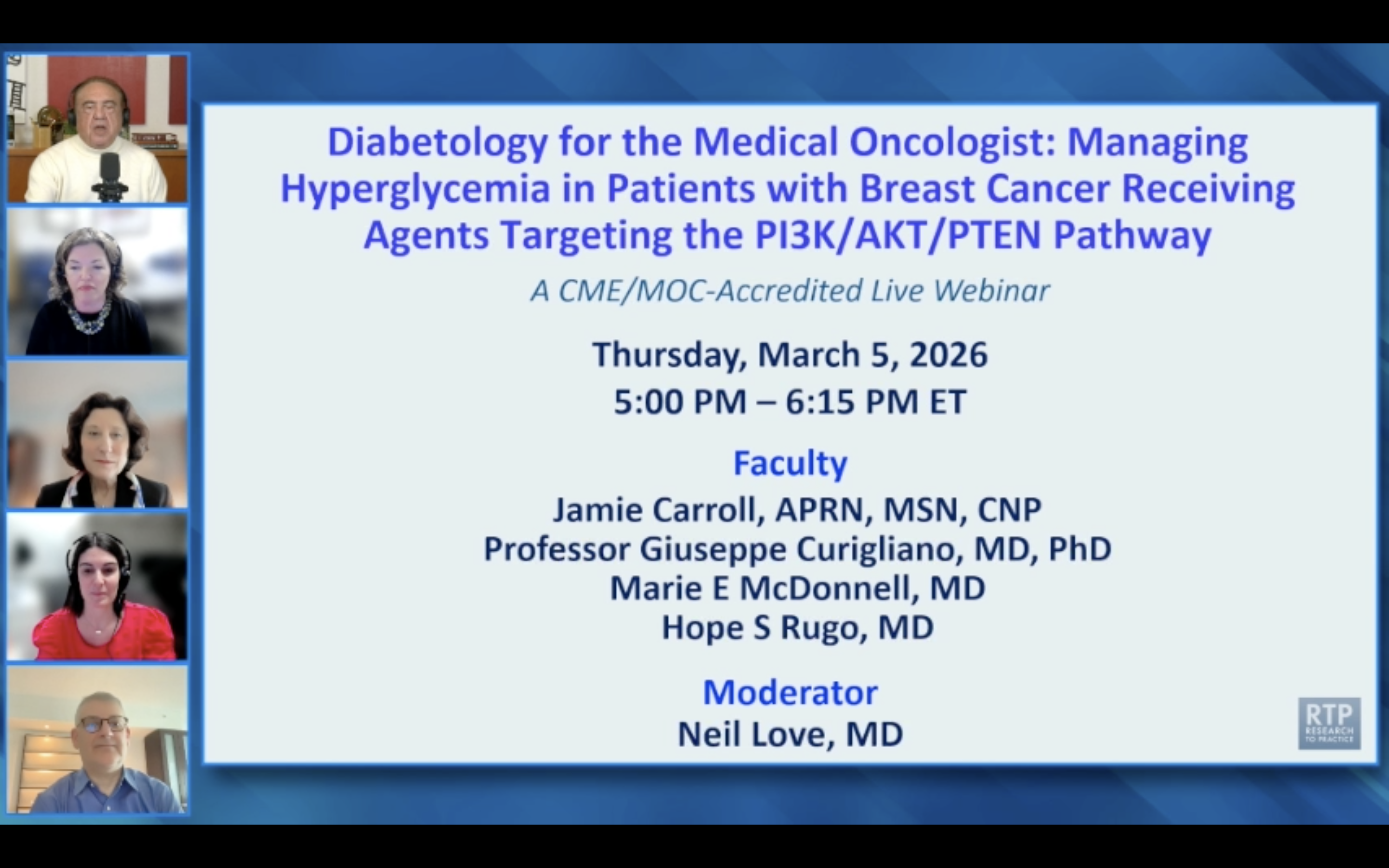
Advances in drug design mean newer PI3K inhibitors are more targeted, resulting in significantly less off-target toxicity. For example, some investigational agents have a hyperglycemia risk under 15%, a substantial improvement over earlier drugs, making them easier to manage clinically.
To prevent rebound weight gain and associated inflammation—which is particularly detrimental for cancer survivors—patients should not stop GLP-1s abruptly. Instead, a slow, methodical 20-week taper is recommended, with close monitoring to ensure weight stability before full discontinuation.

Beyond weight management, preliminary evidence suggests GLP-1 agonists may help with vasomotor symptoms (hot flashes) and arthralgia (joint pain). The proposed mechanism is indirect, likely through reduced inflammation from fat loss and less mechanical load on joints, representing a novel potential benefit for patients.
Due to limited and delayed availability of endocrinologists, oncologists must be comfortable with the frontline management of metabolic side effects like hyperglycemia. This involves aggressive monitoring from the start and initiating treatment themselves, a necessary skill for effectively using drugs like Capivasertib, especially in practices outside the U.S.
Unlike most drugs with targeted effects, GLP-1s are remarkable for their broad-based impact. They concurrently improve metabolism, mitochondrial creation, cellular cleanup (autophagy), and inflammation, explaining their profound and varied benefits.

The mechanism of GLP-1s extends far beyond fat reduction. By increasing insulin sensitivity in every cell—liver, kidney, nerve cells—they effectively help cells process insulin like they did when younger. This positions them as a pervasive longevity product, similar to statins, for pushing back on age-related decline.

The hyperglycemia from PI3K/AKT inhibitors is due to insulin resistance, not lack of insulin. Treatment must focus on insulin sensitizers (metformin, SGLT2 inhibitors). Using agents that increase insulin secretion is counterproductive as it can reactivate the PI3K cancer pathway.