Get your free personalized podcast brief
We scan new podcasts and send you the top 5 insights daily.
The impact of GLP-1 medications like Ozempic extends far beyond weight loss. Emerging research shows profoundly positive second-order effects, including halving metastatic cancer growth rates and potentially delaying dementia and Alzheimer's, signaling a massive, unexpected public health revolution.

Related Insights
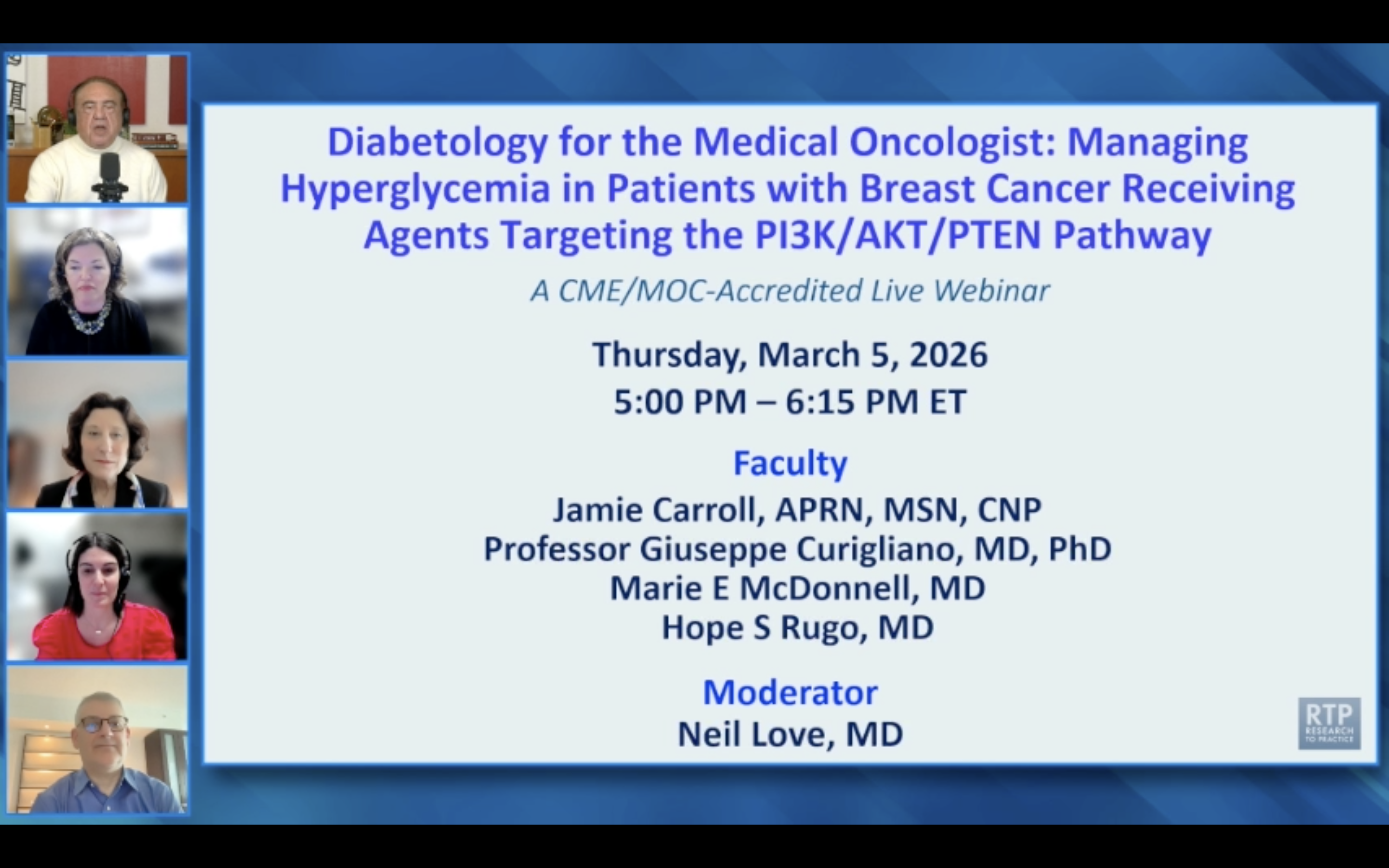
While known for weight loss, GLP-1 agonists are also highly effective for managing hyperglycemia from both steroids and PI3K inhibitors. Using low or "micro" doses can be very helpful in cancer patients, providing glucose control while minimizing GI side effects like nausea.
The success of GLP-1s like Ozempic, which address weight loss, addiction, and metabolic fitness, has made the public more receptive to longevity drugs. People now better understand how a single drug targeting a core mechanism (like metabolic health) can have widespread, seemingly magical downstream benefits.

Originally for diabetes, GLP-1s' broad positive effects on inflammation, heart, and brain function position them as the first mainstream drugs for human enhancement and longevity, moving beyond simple disease management.

Peter Diamandis frames GLP-1s not just as weight-loss drugs but as the "very first longevity drug." By addressing metabolic unhealthiness and excess visceral fat—known life-shortening factors—these drugs represent a major step towards extending human healthspan, with more advanced versions already in development.

While AI dominates headlines, GLP-1 drugs could have a more profound and immediate impact on society. They address the core mechanism of desire ("wanting less"), with applications for obesity, addiction, and compulsive behaviors that could fundamentally reshape public health and daily life.

The massive success of GLP-1s is not just about a $100B drug class. It's the first commercial proof that consumers are actively choosing preventative medicine, paving the way for a broader, trillion-dollar revolution in public health spending and behavior.
![Alex Karnal - The Trillion-Dollar Health Revolution - [Invest Like the Best, EP.467] thumbnail](https://megaphone.imgix.net/podcasts/cbc5538c-3d2c-11f1-abeb-8fa0b9345ba8/image/7338c7270d70078f65b4911eb9cd5b0b.jpg?ixlib=rails-4.3.1&max-w=3000&max-h=3000&fit=crop&auto=format,compress)
Beyond weight management, preliminary evidence suggests GLP-1 agonists may help with vasomotor symptoms (hot flashes) and arthralgia (joint pain). The proposed mechanism is indirect, likely through reduced inflammation from fat loss and less mechanical load on joints, representing a novel potential benefit for patients.

GLP-1s are more than weight-loss aids; they are powerful anti-inflammatory agents affecting cardiovascular and neurological health. They even reduce cravings for things like gambling and cigarettes, acting as systemic moderators for entire biological systems, not just appetite.

Unlike most drugs with targeted effects, GLP-1s are remarkable for their broad-based impact. They concurrently improve metabolism, mitochondrial creation, cellular cleanup (autophagy), and inflammation, explaining their profound and varied benefits.
The mechanism of GLP-1s extends far beyond fat reduction. By increasing insulin sensitivity in every cell—liver, kidney, nerve cells—they effectively help cells process insulin like they did when younger. This positions them as a pervasive longevity product, similar to statins, for pushing back on age-related decline.