Get your free personalized podcast brief
We scan new podcasts and send you the top 5 insights daily.
Instead of isolating Nigel Farage's populist movement, the UK's Conservative Party adopted many of its core tenets, such as Brexit and anti-immigration stances. This strategy of assimilation blurred ideological lines, making a future coalition with Reform UK more palatable internally.

Related Insights
The global rise of right-wing populism cannot be solely attributed to economic factors like inequality or job loss. Its prevalence in wealthy, low-inequality nations like Sweden and strong manufacturing countries like Germany proves the root cause is a deeper, more widespread cultural anxiety.

The appeal of a populist leader lies in their rejection of traditional political norms. When the electorate feels betrayed by the established "political class," they gravitate toward figures whose rhetoric is a deliberate and stark contrast, signaling they are an outsider.

A savvy political strategy involves forcing opponents to publicly address the most extreme statements from their ideological allies. This creates an impossible purity test. No answer is good enough for the fringe, and any attempt to placate them alienates the mainstream, effectively creating a schism that benefits the opposing party.

Ideological loyalty is an illusion in politics. Once in power, parties will quickly abandon the very groups that propelled them there if it is politically expedient. Examples include the UK's Labour Party turning on unions and Democrats ignoring BLM after the 2020 election. Power, not principle, is the goal.

Centrist policies don't have to be boring. By framing sensible, evidence-based ideas as "radical," moderates can capture public imagination and compete with the loud fringes of the political spectrum, making effective governance more appealing and electorally viable.

Resistance to mass immigration is often mislabeled as racism when it's a defense of cultural uniqueness. The core fear is that blending all cultures creates a bland 'beige' monolith, ultimately allowing the most aggressive and cohesive incoming culture to dominate.

A new US national security document signals a radical foreign policy shift. It explicitly states the US will support "right wing, far right and populist right parties" in Europe that align with its anti-immigration stance, effectively interfering in the domestic politics of allied nations to promote a "MAGA like" Europe.
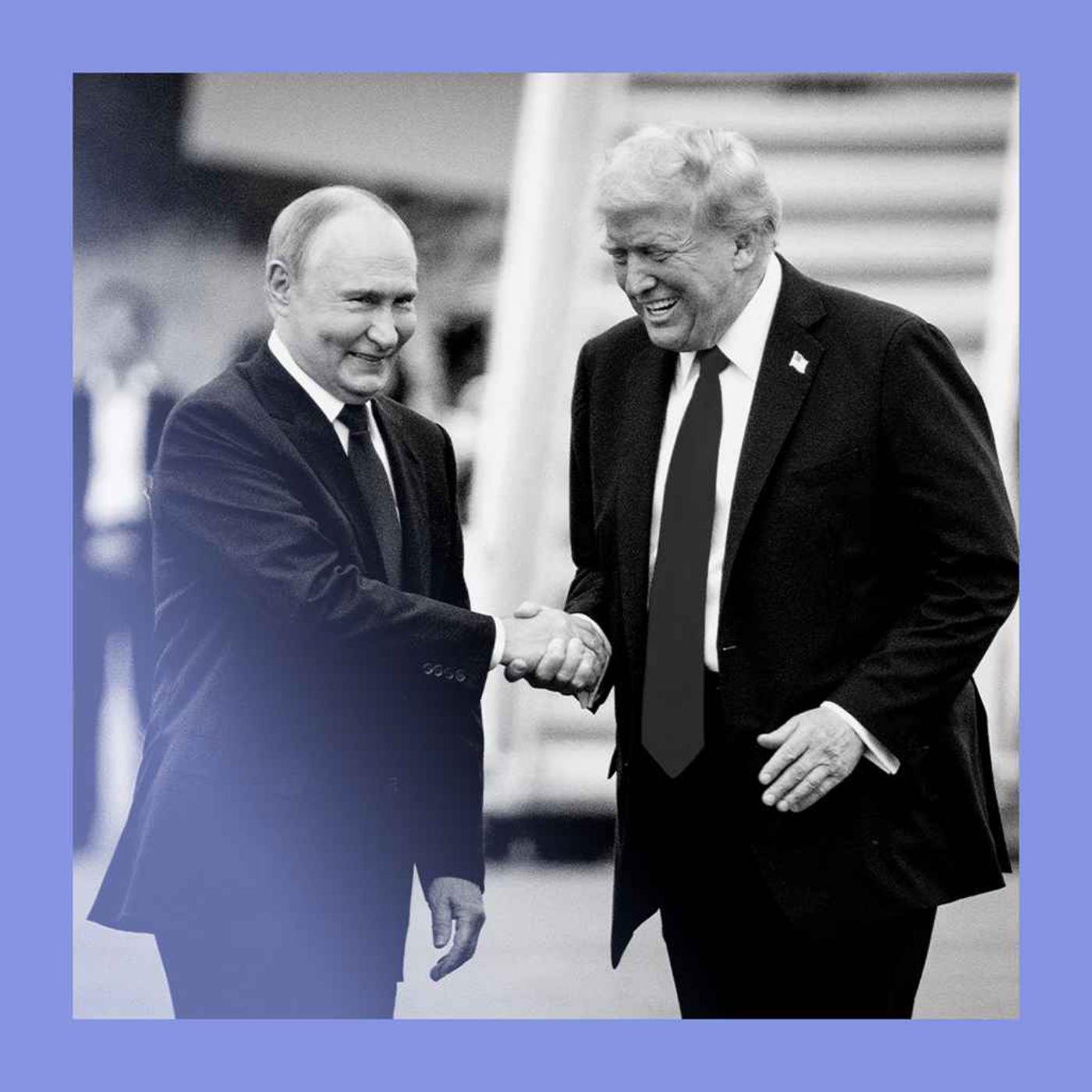
A deep distrust of the bipartisan "neoliberal consensus" has made many young people receptive to any counter-narrative, whether from the left or right. This creates a powerful anti-establishment bloc that finds common ground in opposing the status quo, explaining the crossover appeal of populist figures.

Figures like Donald Trump don't create populist movements; they rise by capitalizing on pre-existing societal problems like economic despair. Focusing on removing the leader ignores the root causes that allowed them to gain power, ensuring another similar figure will eventually emerge.

A key paradox of modern populism is that staunch nationalists like Nigel Farage, the "godfather of Brexit," honed their political skills and built crucial alliances within the very transnational institutions, like the European Parliament, that they aimed to dismantle.