Get your free personalized podcast brief
We scan new podcasts and send you the top 5 insights daily.
The key outcome for investors is not a comprehensive trade agreement, but whether leaders can extend the current tariff truce. The immediate goal is preserving enough stability to manage competition and allow the long-term process of economic "de-risking" to continue without disruptive shocks.

Related Insights
The summit represents a temporary lull in an ongoing, long-term competition, not a fundamental shift toward resolution. Beijing views it as a tactical 'test of wills' to buy time and strengthen its capabilities while maintaining a competitive mindset.

Reduced near-term geopolitical friction from a successful summit will not reverse supply chain diversification. Instead, the resulting market stability will encourage continued long-term investment in parallel ecosystems for semiconductors, cloud infrastructure, and critical minerals as companies pursue de-risking strategies.
Investors should prioritize the summit's diplomatic tone over tangible trade deals. Language indicating continued negotiation and future cooperation is the most critical signal for how the U.S.-China relationship will evolve, impacting long-term market sentiment more than minor concessions.
The primary goal of upcoming US-China diplomatic meetings is not to resolve major conflicts but to maintain the current state of 'managed stability'. Investors should expect only small, incremental changes, while acknowledging that room for 'tactical escalation' remains within these controlled bounds.
The recent lack of anti-China rhetoric from the Trump administration, including zero mentions at the State of the Union, is a deliberate tactical truce. The goal is to stabilize relations and create a favorable environment for an upcoming presidential summit with Xi Jinping, which the administration wants to be a major success.

Expectations for the Trump-Xi summit are so low that preventing a complete collapse of talks is considered a positive outcome. After nearly triggering a global recession, the primary goal is stability, not a "grand bargain." The mere act of meeting is significant, as it marks the first visit by a US leader in nearly a decade, reframing success as crisis management.
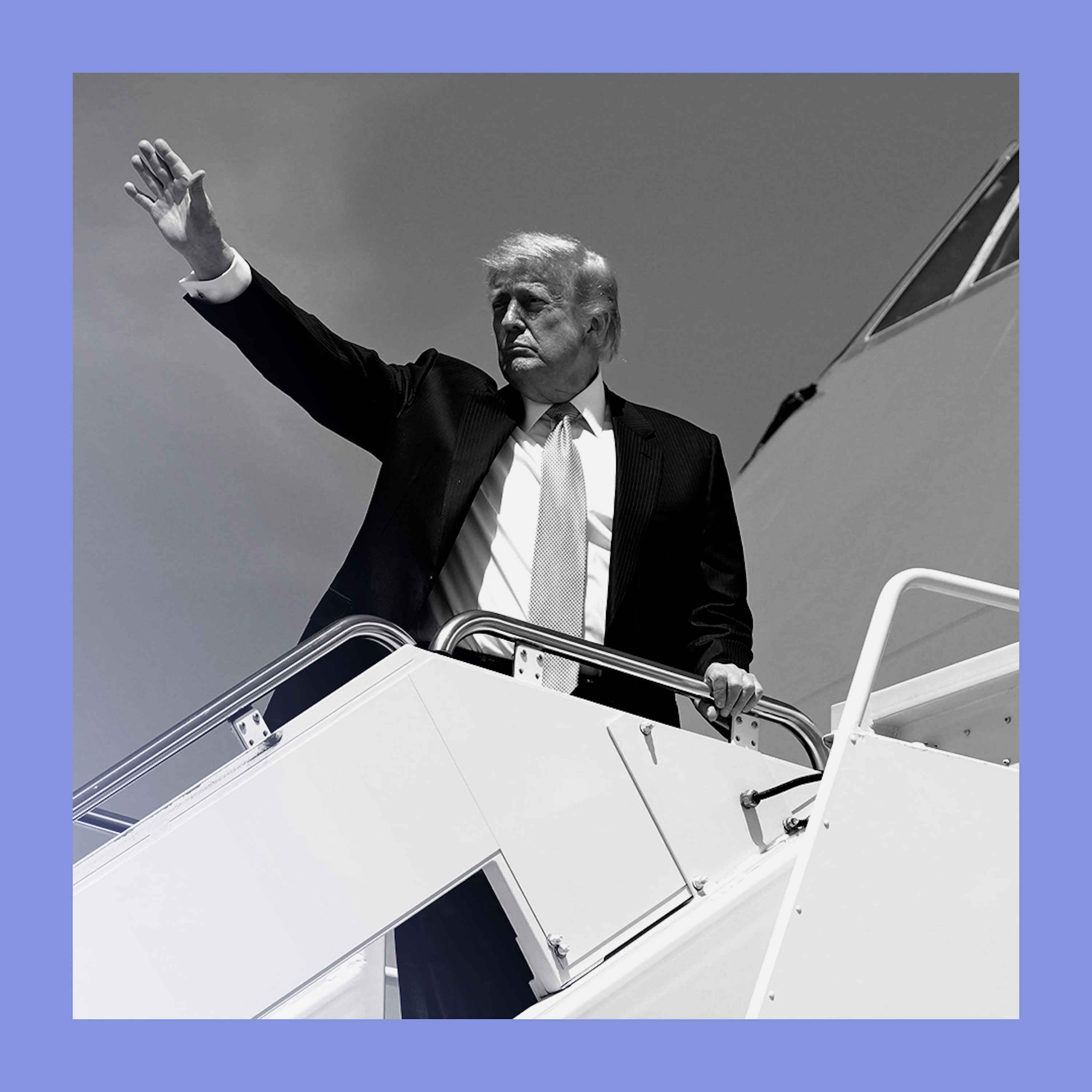
The shift towards a less aggressive stance is not weakness, but a strategic pause. Both the U.S. and China need time to build domestic strength, creating a temporary 'modus vivendi' the U.S. can use to improve its long-term competitive position.

Investors should not mistake the recent U.S.-China summit as a durable reset in relations. While it introduced an 'uneasy calm' and made modest progress, it represents a more managed state of affairs rather than a fundamentally stable relationship. The underlying structural competition and potential for policy volatility remain.
The current lull in US-China tensions should not be mistaken for a stable détente. It's a temporary stalemate born from mutual leverage recognition. Both nations are using this pause to fortify their domestic capabilities and supply chains for the next round of competition.

The post-summit market rally is not a sign of improved fundamentals in the U.S.-China relationship. Instead, it reflects the reduction of near-term tail risks. This removal of a worst-case scenario is sufficient to support equities, even as long-term structural competition between the two nations persists.