Get your free personalized podcast brief
We scan new podcasts and send you the top 5 insights daily.
The post-summit market rally is not a sign of improved fundamentals in the U.S.-China relationship. Instead, it reflects the reduction of near-term tail risks. This removal of a worst-case scenario is sufficient to support equities, even as long-term structural competition between the two nations persists.

Related Insights
Despite worsening on-the-ground conditions in the Middle East, Emerging Markets have rallied. This is not due to a belief the conflict is solved, but that tail risks of a wider military escalation are contained. The market is pricing the absence of a worst-case scenario, with negotiations continuing through non-military leverage like blockades.

Investors should prioritize the summit's diplomatic tone over tangible trade deals. Language indicating continued negotiation and future cooperation is the most critical signal for how the U.S.-China relationship will evolve, impacting long-term market sentiment more than minor concessions.
The recent lack of anti-China rhetoric from the Trump administration, including zero mentions at the State of the Union, is a deliberate tactical truce. The goal is to stabilize relations and create a favorable environment for an upcoming presidential summit with Xi Jinping, which the administration wants to be a major success.

Expectations for the Trump-Xi summit are so low that preventing a complete collapse of talks is considered a positive outcome. After nearly triggering a global recession, the primary goal is stability, not a "grand bargain." The mere act of meeting is significant, as it marks the first visit by a US leader in nearly a decade, reframing success as crisis management.
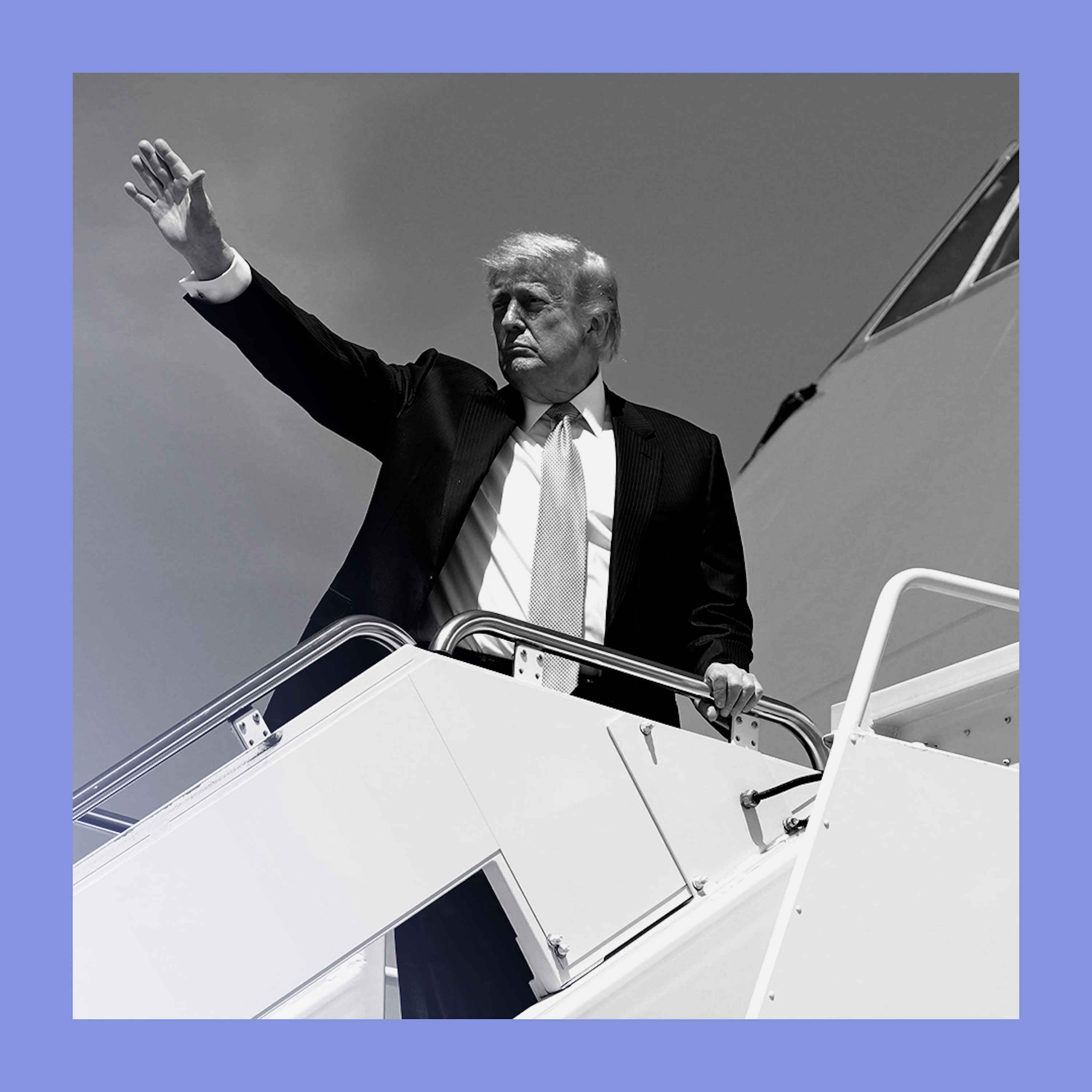
The deep economic interdependence between the U.S. and China makes a full "decoupling" too costly for either side. Instead of a clean break or a lasting peace, the relationship will likely be defined by a continuous cycle of targeted disputes, negotiations, and temporary agreements.

While strategists view short-term trade tensions as a potential dip-buying opportunity, a sustained escalation presents a major risk. A scenario where both nations maintain trade barriers long-term could stall China's economy and negate the prevailing market thesis of an early-cycle 'rolling recovery' in the U.S.
Investors should not mistake the recent U.S.-China summit as a durable reset in relations. While it introduced an 'uneasy calm' and made modest progress, it represents a more managed state of affairs rather than a fundamentally stable relationship. The underlying structural competition and potential for policy volatility remain.
Investors feared a US-EU rupture over a Greenland acquisition attempt, pricing in risk. When Trump's speech signaled de-escalation by ruling out force, markets immediately reversed risk-off trends (e.g., equity weakness, weaker dollar). This demonstrates high market sensitivity to geopolitical rhetoric, allowing for a rapid repricing of tail risks.
The current lull in US-China tensions should not be mistaken for a stable détente. It's a temporary stalemate born from mutual leverage recognition. Both nations are using this pause to fortify their domestic capabilities and supply chains for the next round of competition.

Despite significant media attention, the Xi-Trump summit and other US diplomatic efforts in Asia had a muted impact on currency markets. The outcomes were either well-previewed by markets or structured to avoid immediate FX conversion flows, reminding traders that political headlines often don't translate into market events.