Get your free personalized podcast brief
We scan new podcasts and send you the top 5 insights daily.
The only effective antidote to the "factory model's" gravitational pull is a firm's unwavering clarity of purpose. This means consciously prioritizing long-term investor outcomes and maintaining underwriting discipline, even if it means saying no to raising easy capital.
![Alan Waxman - Private Credit and the Modern Financial System - [Invest Like the Best, EP.466] thumbnail](https://megaphone.imgix.net/podcasts/d74e56f4-32b4-11f1-8f92-73b020faf92b/image/19a5a75bf6e9b6131d99141fe8b5e802.jpg?ixlib=rails-4.3.1&max-w=3000&max-h=3000&fit=crop&auto=format,compress)
Related Insights
The "factory model" describes an industry shift where firms industrialize fundraising to raise capital as fast as possible. This forces a subsequent industrialization of investing, where rapid deployment and lower underwriting standards take precedence over artisanal, returns-focused investing.
A common mistake for emerging managers is pitching LPs solely on the potential for huge returns. Institutional LPs are often more concerned with how a fund's specific strategy, size, and focus align with their overall portfolio construction. Demonstrating a clear, disciplined strategy is more compelling than promising an 8x return.

Many fund managers approach capital raising by broadcasting their own "unique" story. However, the most successful ones operate like great listeners, first seeking to understand the specific needs and constraints of the Limited Partner (LP) and then aligning their value proposition accordingly.

While process is necessary, any repeatable, process-driven advantage that generates significant alpha will quickly be arbitraged away in competitive markets. A firm's true, lasting edge comes from its ability to recruit and retain exceptional people within a culture that fosters truth-seeking.
Despite constant talk of new venture capital models, firms like Index Ventures and Benchmark demonstrate that the traditional approach still reigns. Their success comes from disciplined, competent execution within a chosen strategy, not from reinventing their fundamental approach to investing.

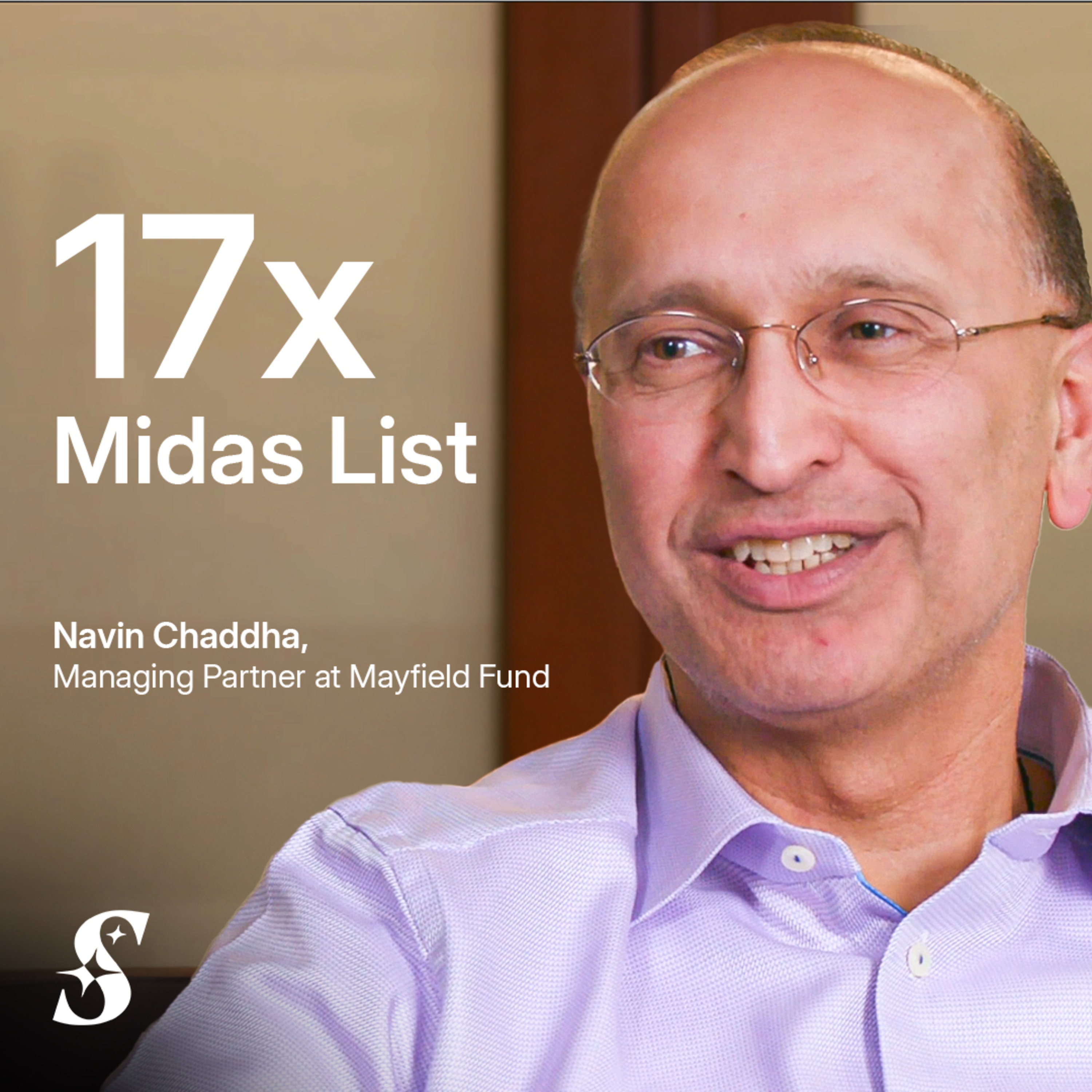
To combat valuation hype, Mayfield defines its investment thesis as a specific 'product.' Just as In-N-Out doesn't sell chicken burgers, Mayfield doesn't do billion-dollar seed rounds. This 'product focus' allows them to stay disciplined and partner only with founders who align with their sustainable model.
Superior returns can come from a firm's structure, not just its stock picks. By designing incentive systems and processes that eliminate 'alpha drags'—like short-term pressures, misaligned compensation, and herd behavior—a firm can create a durable, structural competitive advantage that boosts performance.

To avoid becoming an "asset accumulation business," SLR Capital requires all employees to invest a significant part of their compensation back into the firm's funds. This forces everyone to act as a principal and ask, "Would I personally own this loan?" creating a powerful filter against risky deals.

Around 2018, the surging demand for separately managed accounts (SMAs) was a key symptom of the "factory model." This structure allowed asset managers to accelerate fundraising by raising vast, simple pools of capital from institutional channels, prioritizing speed and scale.
Instead of focusing on process, allocators should first ask managers fundamental questions like "What do you believe?" and "Why does this work?" to uncover their core investment philosophy. This simple test filters out the majority of firms that lack a deeply held, clearly articulated conviction about their edge.