Get your free personalized podcast brief
We scan new podcasts and send you the top 5 insights daily.
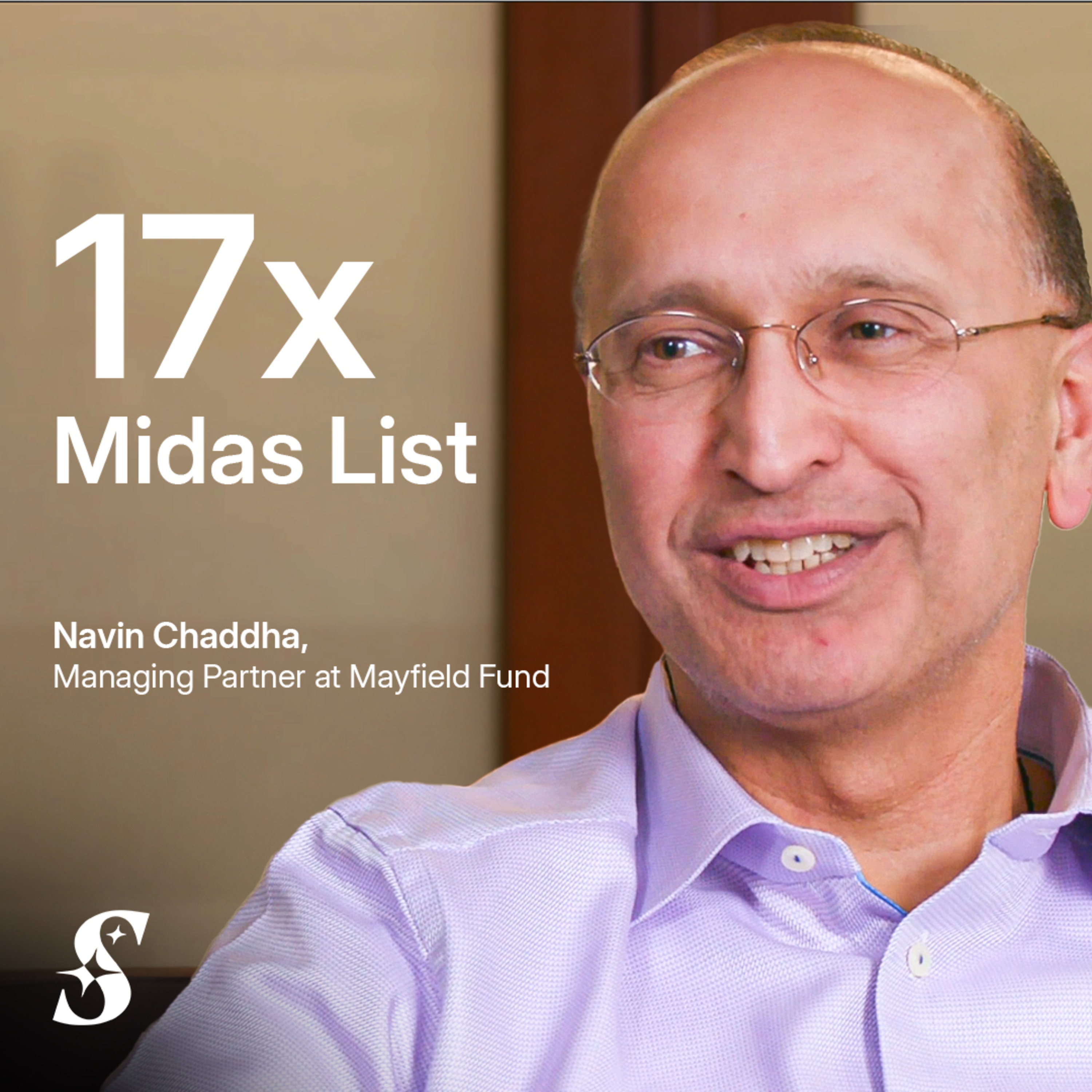
To combat valuation hype, Mayfield defines its investment thesis as a specific 'product.' Just as In-N-Out doesn't sell chicken burgers, Mayfield doesn't do billion-dollar seed rounds. This 'product focus' allows them to stay disciplined and partner only with founders who align with their sustainable model.
Related Insights
The most successful venture investors share two key traits: they originate investments from a first-principles or contrarian standpoint, and they possess the conviction to concentrate significant capital into their winning portfolio companies as they emerge.
VCs are willing to "hold their nose" and pay extremely high multiples for one or two exceptional companies they feel are essential to win. However, unlike in 2021, they are not applying this undisciplined, high-valuation strategy to their entire portfolio, demonstrating a more disciplined approach to portfolio construction.

Successful concentration isn't just about doubling down on winners. It's equally about avoiding the dispersion of capital and attention. This means resisting the industry bias to automatically do a pro-rata investment in a company just because another VC offered a higher valuation.

Y Combinator's model pushes companies to raise at high valuations, often bypassing traditional seed rounds. Simultaneously, mega-funds cherry-pick the most proven founders at prices seed funds cannot compete with. This leaves traditional seed funds fighting for a narrowing and less attractive middle ground.
Inspired by Charlie Munger, this investment strategy is built on three common-sense pillars: maximizing earnings growth, maintaining valuation discipline, and focusing on downside risk. The goal is reliability and avoiding major mistakes rather than chasing spectacular, high-risk wins.

A core investment framework is to distinguish between 'pull' companies, where the market organically and virally demands the product, and 'push' companies that have to force their solution onto the market. The former indicates stronger product-market fit and a higher potential for efficient, scalable growth.

Seed funds that primarily act as a supply chain for Series A investors—optimizing for quick markups rather than fundamental value—are failing. This 'factory model' pushes them into the hyper-competitive 'white hot center' of the market, where deals are priced to perfection and outlier returns are rare.
In the current late-cycle, frothy environment, maintaining investment discipline is paramount. Oaktree, guided by Howard Marks' philosophy, is intentionally cautious and passing on the majority of deals presented. This discipline is crucial for avoiding the "worst deals done in the best of times" and preserving capital for future dislocations.

The founder advises against always pursuing the highest valuation, noting it can lead to immense pressure and difficulties in subsequent rounds if the market normalizes. Prioritizing investor chemistry and a fair, responsible valuation is a more sustainable long-term strategy.
Contrary to the common VC advice to "play the game on the field" during hot markets, Founder Collective reduces its check size for high-valuation deals. This strategy allows them to maintain exposure to promising companies while intentionally keeping the fund's overall weighted average cost basis low.