Get your free personalized podcast brief
We scan new podcasts and send you the top 5 insights daily.
Citing the space industry's cost-plus contracting culture, Impulse Space adopted extreme vertical integration to gain control over cost, schedule, and quality. This move is a direct response to the unreliability of traditional aerospace vendors, who are often slow and overpriced.

Related Insights
Subcontracting creates fixed interfaces between teams, leading to a "calcified architecture" where system-level optimization is impossible. Vertically integrating engineering and manufacturing in-house allows for dynamic trade-offs between disciplines, accelerating innovation and reducing costs.
![Scott Nolan - SpaceX, Founders Fund, and Rebuilding American Uranium Enrichment - [Invest Like the Best, EP.467] thumbnail](https://megaphone.imgix.net/podcasts/5edee546-3776-11f1-b41d-a76759576e87/image/908aaa6e87baf2b3d364892c4b7f9fd8.jpg?ixlib=rails-4.3.1&max-w=3000&max-h=3000&fit=crop&auto=format,compress)
The new wave of space startups is moving away from the SpaceX "build everything yourself" model. Instead, companies like Apex Space are unbundling the stack, specializing in one component like satellite buses. This allows for faster development cycles and creates a more robust, collaborative industry.

Identifying the defense industrial base as "rotted out," Mock Industries is taking a bottom-up approach. Instead of just building platforms, it vertically integrates to produce high-performance subsystems (radars, engines) and sells them to other primes, aiming to fix the entire ecosystem.

Northwood cut ground station deployment time from 3 years to 3 months. They achieved this by vertically integrating the entire value chain—antenna R&D, land procurement, construction, and software APIs. This holistic approach aligns incentives and enables system-level optimization impossible with siloed vendors.

Underwater drone company Ulysses adopted heavy vertical integration after discovering the maritime industry's massive "Idiot Index" (the ratio of a part's cost to its raw material cost). Buying 20-year-old sensor technology at inflated prices was untenable, forcing them to build components like cameras and pressure vessels in-house to lower costs.

Industries with cost-plus contracts, oligopolies, and little incentive for progress (e.g., legacy aerospace, defense) are ripe for disruption. Their stagnant nature creates a massive opportunity for a new, vertically integrated company to innovate.
SpaceX's iconic vertical integration wasn't an initial strategic choice but a reaction to crisis. An early plan to outsource manufacturing was shattered when their fastest vendor abruptly closed. This forced them to insource talent and machinery out of necessity, creating the model they are known for today.

SpaceX's success isn't from one tactic but a reinforcing system. First principles identify waste in cost, vertical integration provides the control to eliminate it, and standardization creates the volume needed to make that control profitable. Removing any one part breaks the system.

Zipline had to build its own components because the market only offered two extremes: cheap, unreliable consumer drone parts or prohibitively expensive military-grade systems. This "automotive grade" gap for reliable, cost-effective components forced them to vertically integrate to achieve their performance and cost goals.
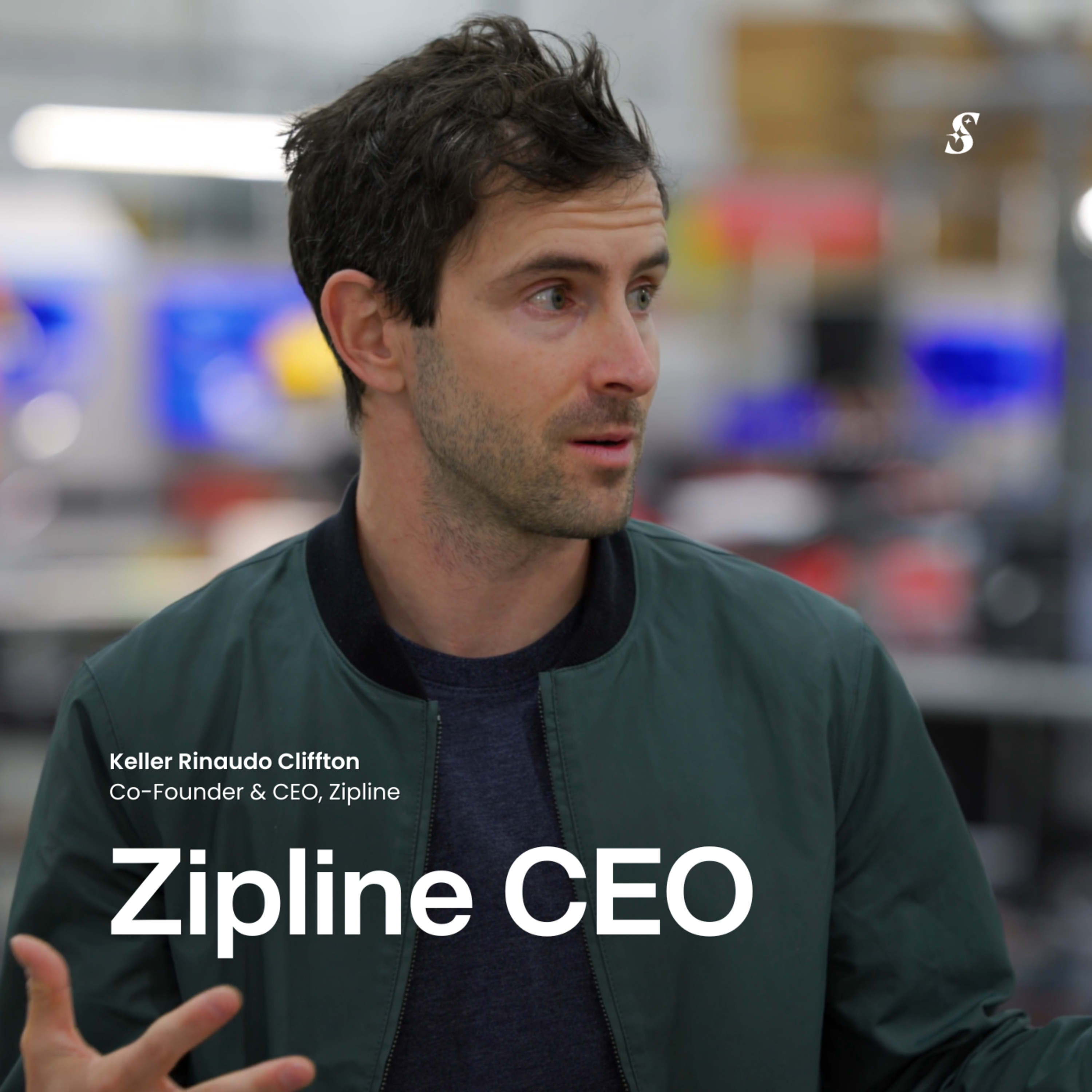
Figure designs nearly every component of its robots in-house, from motors to batteries. This extreme vertical integration, though costly upfront, prevents being at the mercy of third-party vendor timelines, code problems, or supply chain issues, enabling faster iteration and deeper system control.