Get your free personalized podcast brief
We scan new podcasts and send you the top 5 insights daily.
While SaaS and social apps were investor darlings, Zipline was seen as an unpopular, capital-intensive hardware company. Co-founder Keller Clifton notes that the most impactful companies, like Tesla and SpaceX, often begin without hype because they are creating entirely new categories, not riding existing trends.

Related Insights
History shows the ultimate beneficiaries of technological waves are often not the initial darlings. Facebook and Google became internet giants long after the dot-com bubble. This suggests investors should be wary of paying high valuations for today's hyped AI companies, as the true long-term winners may not even exist yet.

Many hardware companies burn cash building "cool" tech in isolation, assuming use cases will follow. Zipline avoided this by launching the simplest possible paid product within a year. This forced them to learn and iterate based on real-world customer needs and operational challenges, not internal metrics.

Zipline, much like early Tesla or SpaceX, was never part of a broader investment "hype cycle." They spent a decade working on a contrarian idea that most investors thought was stupid. This obscurity allowed them to build with deep conviction, attracting only highly contrarian investors who believed in the long-term, inevitable vision.
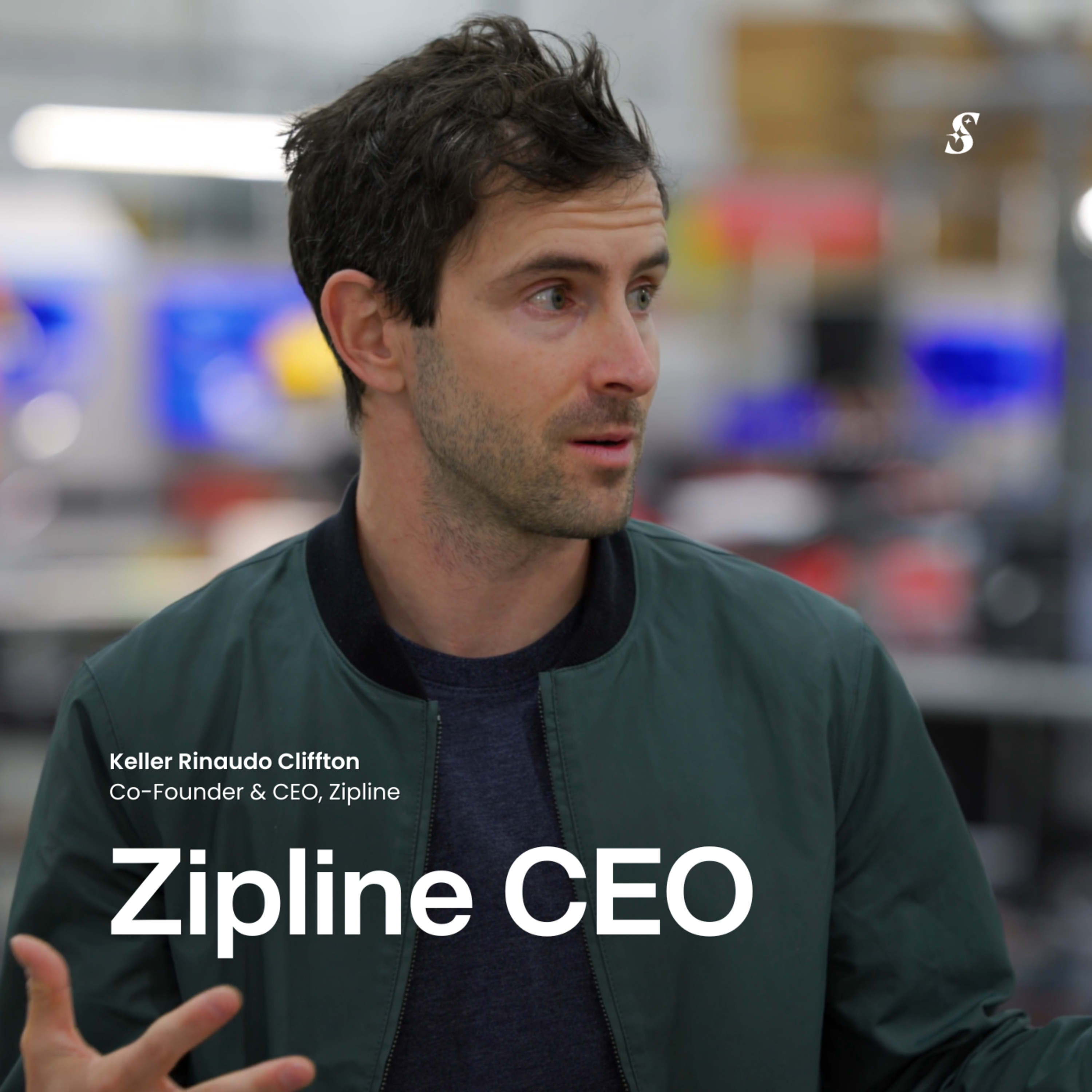
Zipline's journey highlights a mismatch between standard VC fund timelines (10-12 years) and the longer development cycles of "real-world tech" like robotics. Founders in these spaces must be prepared for a 15-20 year journey and communicate this reality to investors from the start.
We overestimate technology's short-term impact (the hype peak) and then overcorrect into skepticism (the trough of disillusionment). The real, transformative changes happen slowly and quietly after most people have stopped paying attention.

True entrepreneurial opportunity exists where consensus is wrong. By the time a trend like AI or cloud computing is mainstream, it's too late to build a foundational company. Entrepreneurs must find ideas that are currently not well-liked or appreciated and see the gap between the popular view and the idea's actual potential.
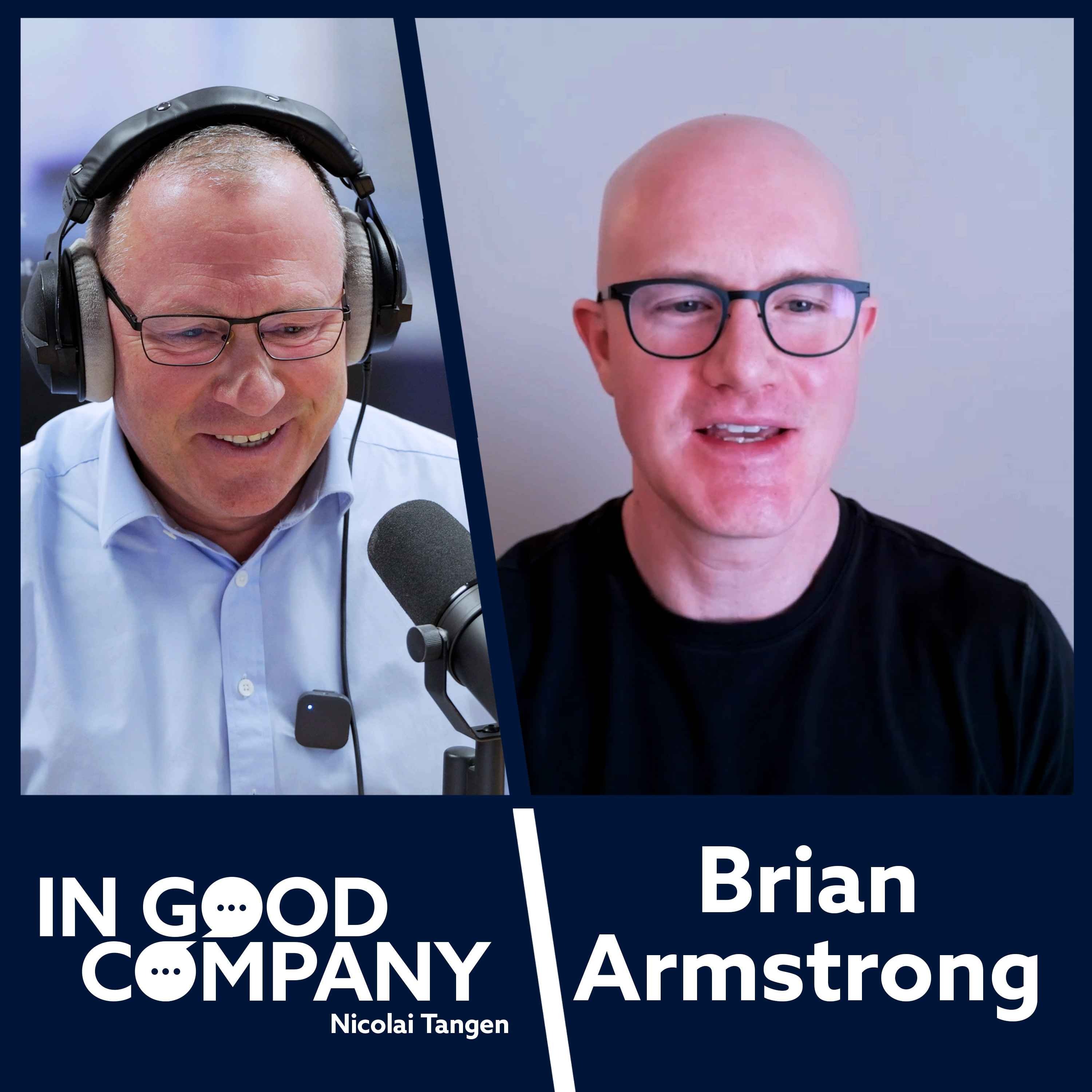
The most significant companies are often founded long before their sector becomes a "hot" investment theme. For example, OpenAI was founded in 2015, years before AI became a dominant VC trend. Early-stage investors should actively resist popular memes and cycles, as they are typically trailing indicators of innovation.

Analysis shows that the themes venture capitalists and media hype in any given year are significantly delayed. Breakout companies like OpenAI were founded years before their sector became a dominant trend, suggesting that investing in the current "hot" theme is a strategy for being late.
Success isn't linear. Mobile gaming giant Supercell didn't start with mobile games, and drone delivery firm ZipLine began with a robotic toy. This shows that foundational failures in one area can be the necessary learning experiences that lead to market-defining success in another.
Peter Thiel distinguishes between 'horizontal progress' (copying existing models, e.g., globalization) and 'vertical progress' (creating new technology). Truly disruptive value comes from the latter, like inventing an automobile versus building a faster horse.