Get your free personalized podcast brief
We scan new podcasts and send you the top 5 insights daily.
The most vitriolic critics of your startup are almost never successful founders. People 'in the arena' understand the struggle and offer constructive feedback. Detractors are often 'in the stands,' tearing others down because they haven't experienced the challenges of building something worthwhile.

Related Insights
Early-stage founders must actively curate their social circles. Friends or family who exhibit 'tall poppy syndrome'—mocking entrepreneurial aspirations or viewing them with cynicism—can be a significant drag. Surrounding yourself with optimistic people who are also 'winning' is crucial for momentum.
Value-add isn't a pitch deck slide. Truly helpful investors are either former operators who can empathize with the 0-to-1 struggle, or they actively help you get your first customers. They are the first call in a crisis or the ones who will vouch for you on a reference call when you have no other credibility.

Fear of negative feedback prevents many professionals from posting content. Reframe this fear by understanding the psychology of trolls. People who leave hateful comments are often in pain themselves, and lashing out is their way of seeking temporary relief. Their comments are a reflection of them, not you.

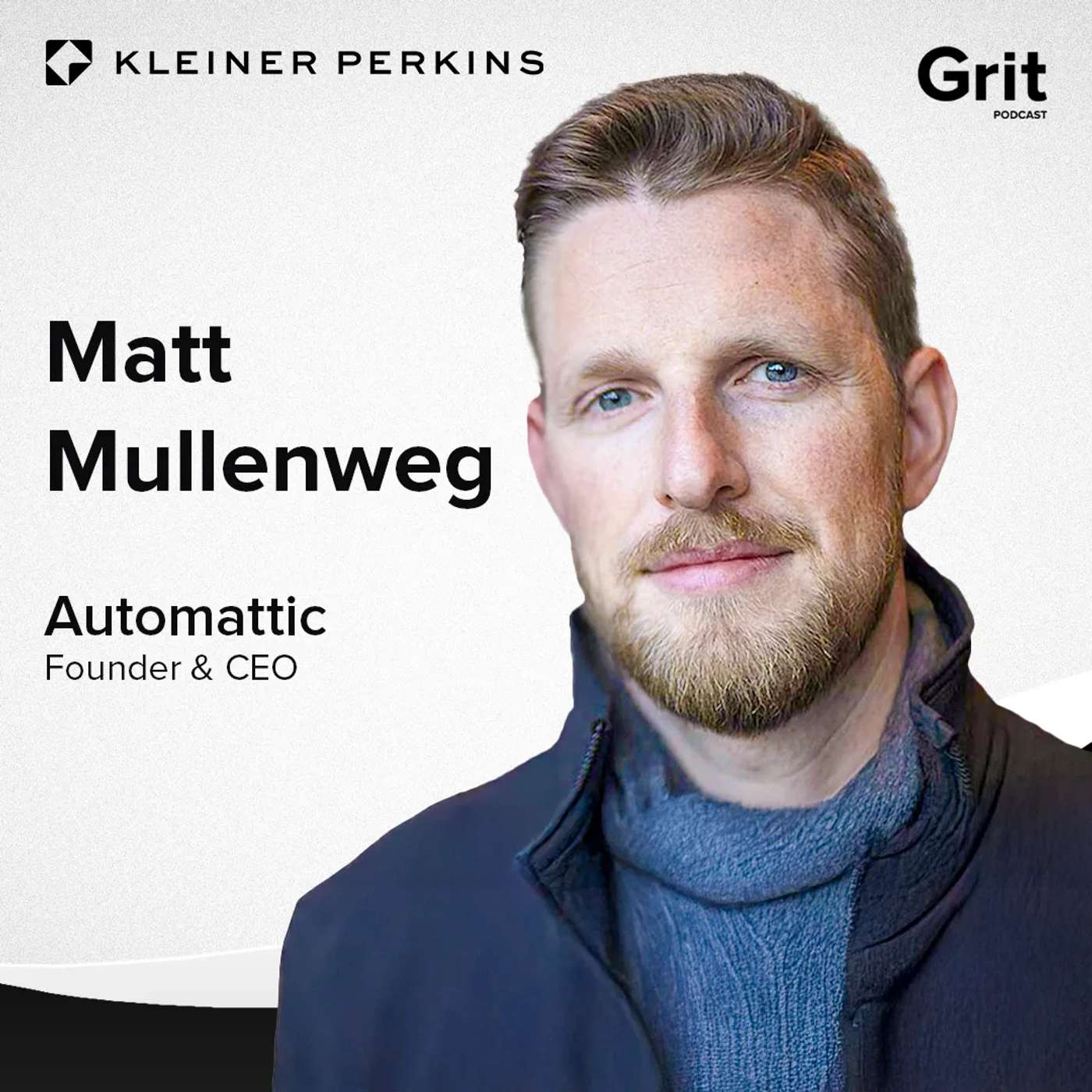
Matt Mullenweg notes that entrepreneurs inevitably cycle between being celebrated and vilified. Surviving this requires ignoring the noise and focusing on core principles and customers, recognizing even today's tech giants faced similar periods of extreme negative sentiment.
Author Steven Pressfield advises against writers' groups for feedback. You risk getting input from peers who lack expertise and may be motivated by jealousy. This can be more destructive than helpful. Instead, find a single, trusted mentor who truly understands your vision.

Leaders should categorize feedback into three groups. Give a megaphone to "advocates" who support the vision. Listen carefully to "critics" whose feedback can be constructive. But actively ignore "cynics" who are purely destructive and offer no value, as they can derail progress.
Entrepreneurs often believe their biggest fear is judgment from anonymous internet users. However, the real psychological barrier is the anticipated criticism or misunderstanding from their close friends and family. These are people who are unlikely to ever be customers, yet their opinions are given disproportionate weight.

To truly validate their idea, Moonshot AI's founders deliberately sought negative feedback. This approach of "trying to get the no's" ensures honest market signals, helping them avoid the trap of false positive validation from contacts who are just being polite.

To get candid early-stage feedback, founder Janice Omadeke disarmed potential advisors by explicitly asking them to tell her if her "baby is ugly" and why. This framing signaled a thick skin and a genuine desire for constructive criticism, leading to more valuable insights instead of polite encouragement.
