Get your free personalized podcast brief
We scan new podcasts and send you the top 5 insights daily.
For a company operating at Anduril's level in national security, going public is not just about liquidity. It's about pedigree. Being a public company affords an additional, unspoken level of trust and legitimacy within the defense apparatus that is nearly impossible for a private company to achieve.

Related Insights
Unlike traditional defense contractors, Anduril's marketing targets the American public and potential employees, not just Pentagon buyers. The strategy is to build a transparent, powerful brand around national security to attract top talent who would otherwise avoid the historically opaque and controversial industry.

Luckey reveals that Anduril prioritized institutional engagement over engineering in its early days, initially hiring more lawyers and lobbyists. The biggest challenge wasn't building the technology, but convincing the Department of Defense and political stakeholders to believe in a new procurement model, proving that shaping the system is a prerequisite for success.
![Palmer Luckey - Inventing the Future of Defense - [Invest Like the Best, CLASSICS] thumbnail](https://megaphone.imgix.net/podcasts/f7c9aa8e-cb8d-11f0-828e-0b281809c10a/image/cc07f91ec47f95abbde771a4956b37b7.jpg?ixlib=rails-4.3.1&max-w=3000&max-h=3000&fit=crop&auto=format,compress)
The future IPO of Anduril, a private defense tech firm, is viewed as a critical test for the entire sector. Its performance will signal Wall Street's appetite for a new class of defense startups that have been heavily funded by venture capital with speculative, low-revenue profiles.

In a tech climate wary of defense work, Anduril was "very unapologetic that they were a defense company." This clear, strong positioning acted as a crucial filter, repelling skeptical investors but attracting partners like Andreessen Horowitz who were fully aligned with their mission from the start.

Unlike traditional contractors paid for hours, Anduril invests its own capital to build products it believes the government needs. This model incentivizes speed and effectiveness, as profit is tied to successful products, not billable hours. This shifts the financial risk from the taxpayer to the company.
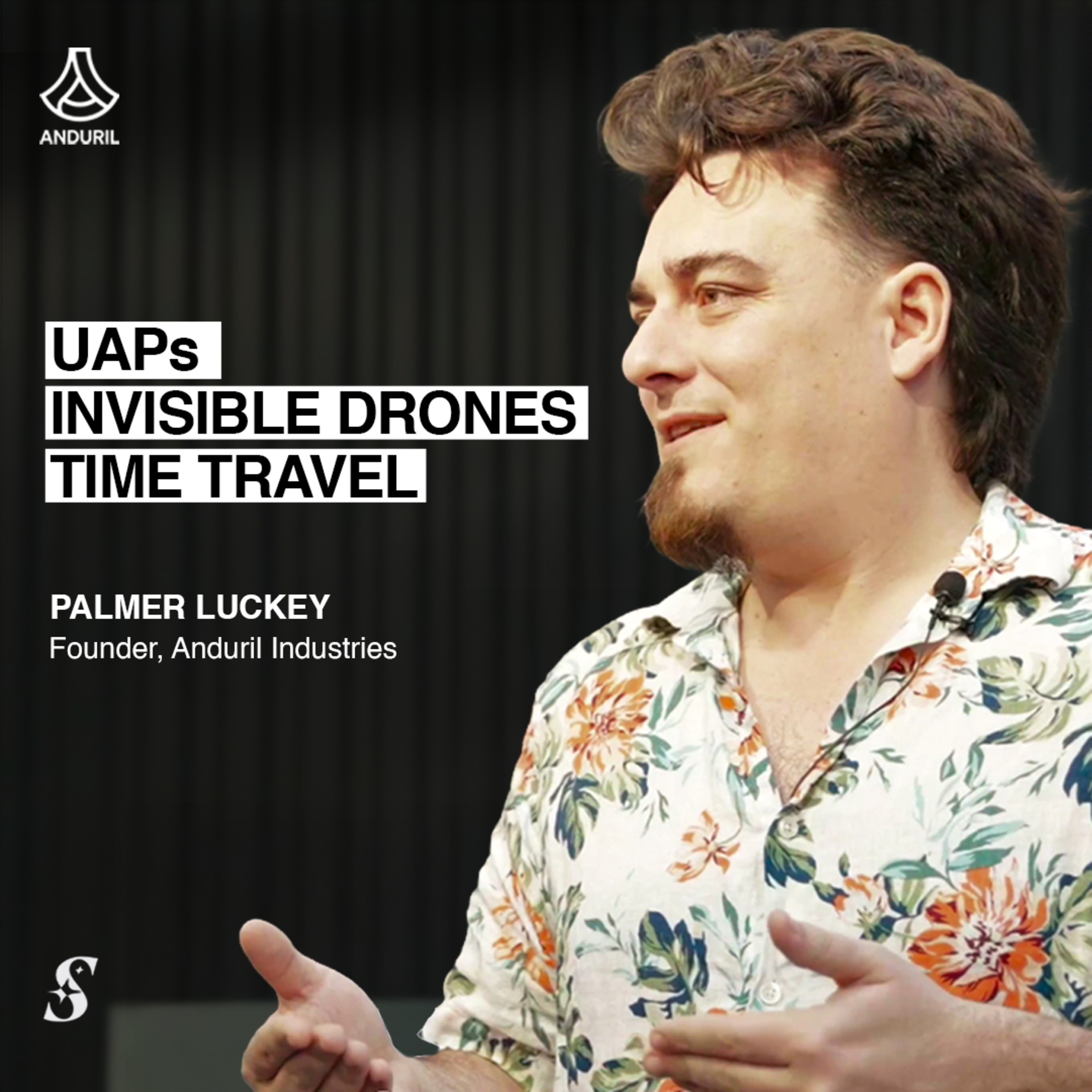
While many private founders fear going public, David George of a16z claims he's never met a public CEO who regrets it. Key benefits include easier and often cheaper access to capital compared to private markets, increased transparency, and the discipline it instills. The narrative of public market misery is overblown for most successful companies.

Many defense startups fail despite superior technology because the government isn't ready to purchase at scale. Anduril's success hinges on identifying when the customer is ready to adopt new capabilities within a 3-5 year window, making market timing its most critical decision factor.
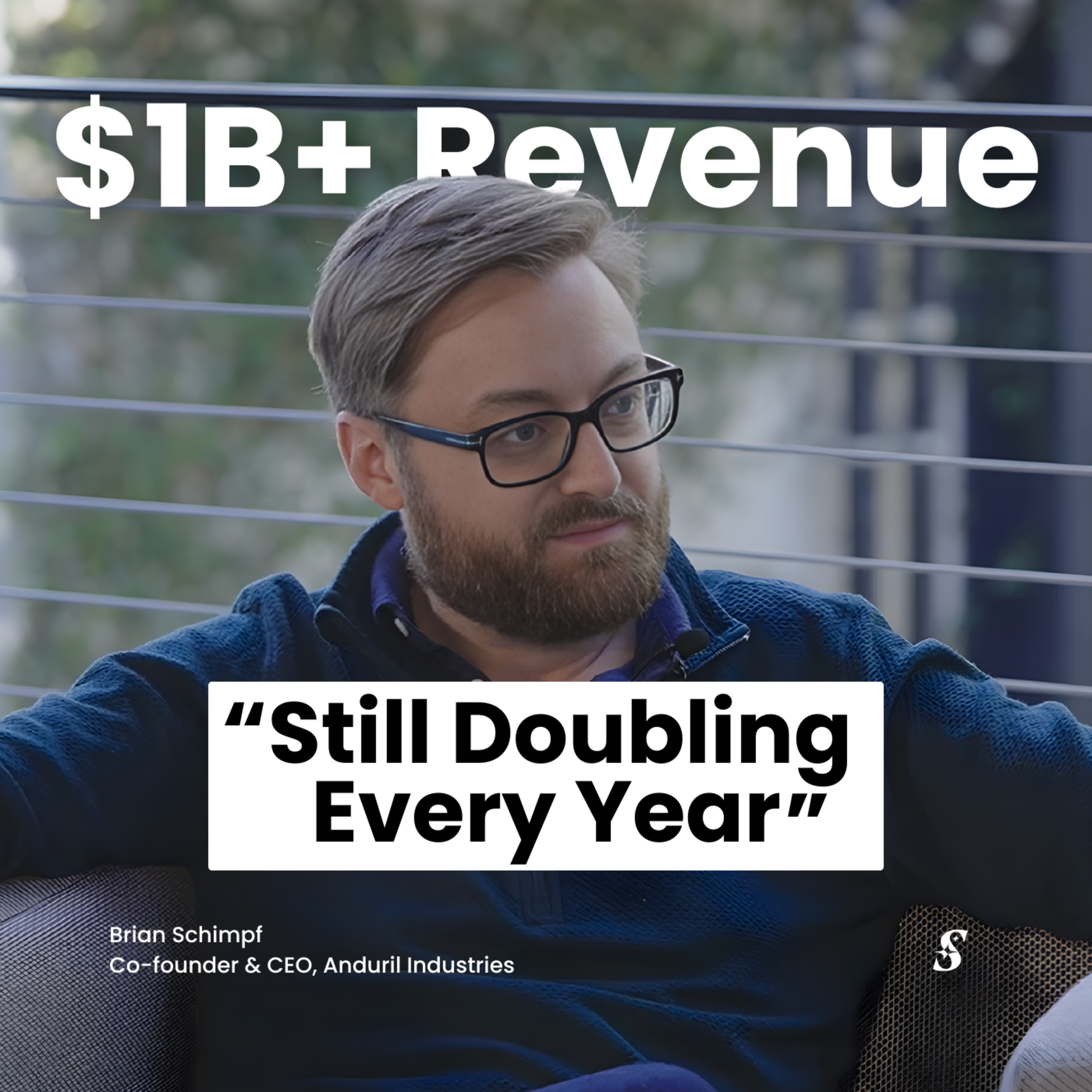
Contrary to the trend of staying private, Navan's IPO was partly a go-to-market strategy. Large corporate customers demand the financial transparency and long-term stability that being a public company provides. This credibility was crucial for unlocking the enterprise segment and winning major accounts.
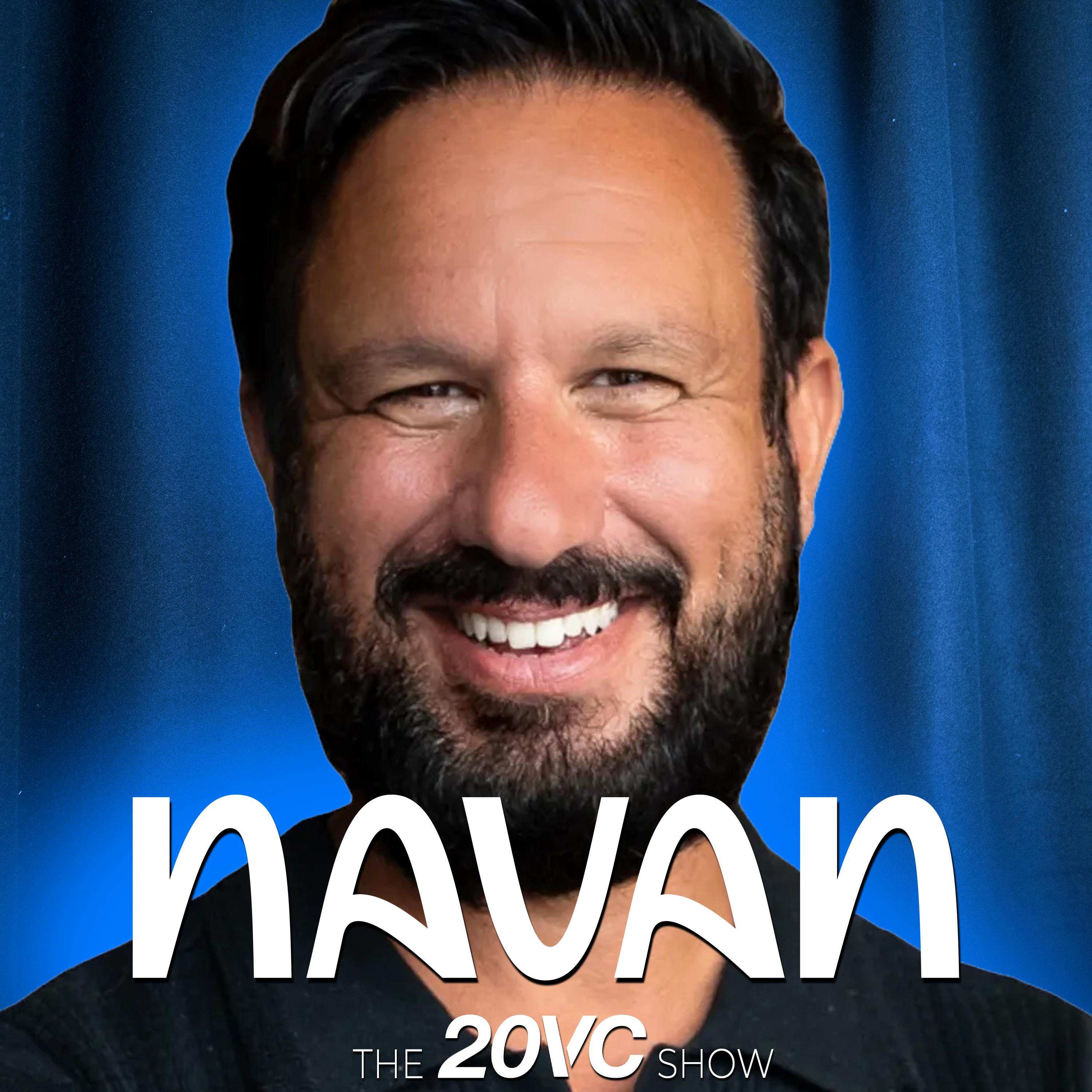
Netscope's CEO revealed their IPO was a strategic move for market awareness and credibility, not a necessity for fundraising. As a private company competing against public giants, the IPO provided the visibility needed to get into deals and win proof-of-concept trials, highlighting the IPO's role as a powerful marketing tool.
Defense tech firm Anduril's talks to raise funds at a $60 billion valuation reflect its ambition to become a "prime" contractor. The company is no longer just a disruptive upstart; it's actively trying to join the exclusive group of legacy giants like Raytheon and Lockheed that dominate government contracts.