Get your free personalized podcast brief
We scan new podcasts and send you the top 5 insights daily.
While many private founders fear going public, David George of a16z claims he's never met a public CEO who regrets it. Key benefits include easier and often cheaper access to capital compared to private markets, increased transparency, and the discipline it instills. The narrative of public market misery is overblown for most successful companies.

Related Insights
New CEO Mark McLaughlin resisted board pressure for a quick IPO, arguing that going public is a starting line, not a finish line. He first focused on hiring key leaders and building scalable systems to ensure the company could operate successfully in the public markets, not just survive the IPO event.

A16z's foundational belief is that founders, not hired "professional CEOs," should lead their companies long-term. The firm is structured as a network of specialists to provide founders with the knowledge and connections they lack, enabling them to grow into the CEO role and succeed.

The traditional IPO exit is being replaced by a perpetual secondary market for elite private companies. This new paradigm provides liquidity for investors and employees without the high costs and regulatory burdens of going public. This shift fundamentally alters the venture capital lifecycle, enabling longer private holding periods.
In the current market, companies prioritize liquidity and public market access over protecting previous private valuations. A lower IPO price is no longer seen as a failure but as a necessary market correction to move forward and ensure survival.

When a founder faces a major acquisition offer, the pivotal question isn't just about valuation, but temperament. A board member should ask, "Are you built to be a public company CEO?" The intense stress and public scrutiny aren't for everyone. Pushing a founder who isn't an "IPO guy" to reject an offer can be a disastrous long-term decision.

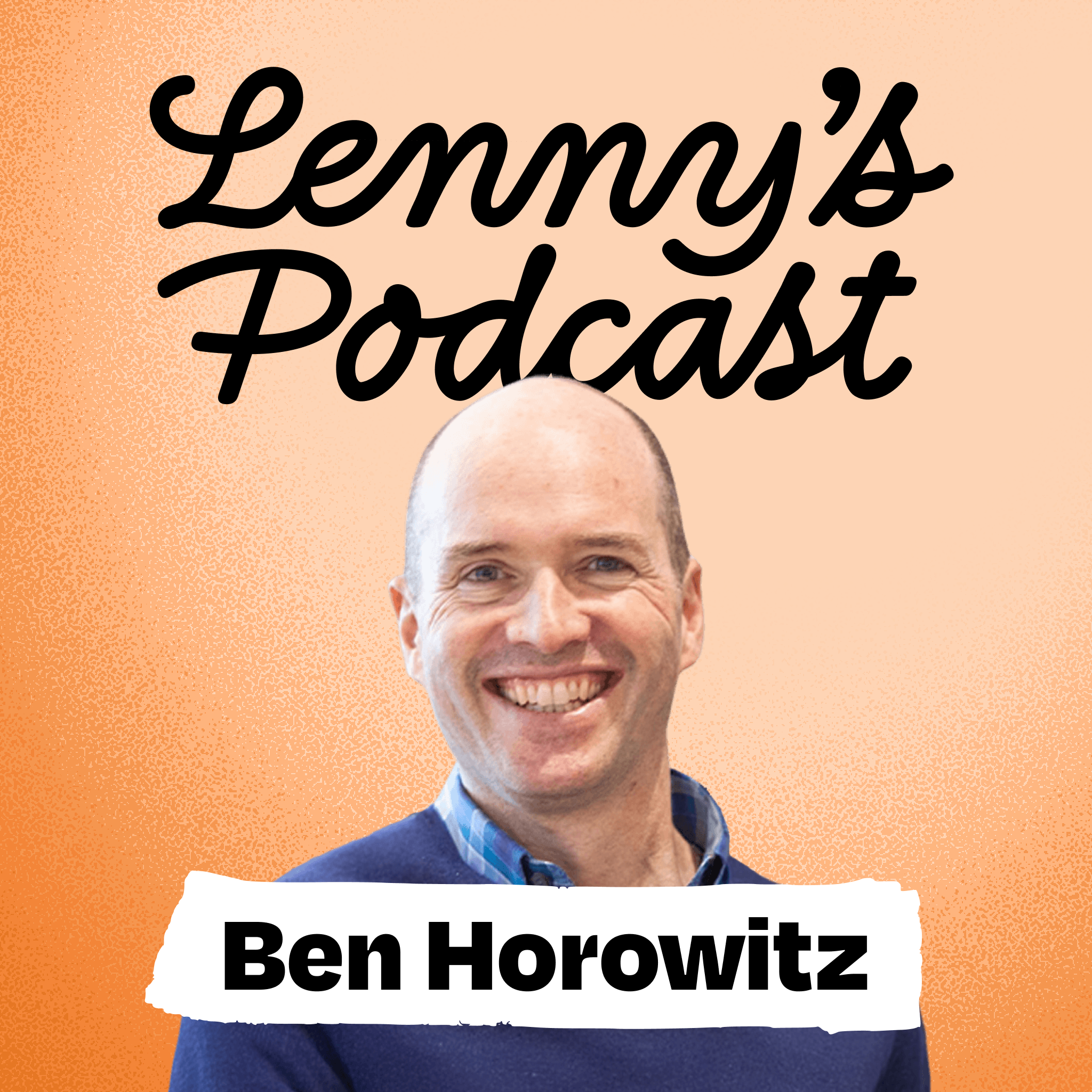
The most paralyzing decisions for a leader aren't clear-cut choices but dilemmas where every path is painful. Ben Horowitz's decision to take his company public with minimal revenue was a bad idea, but the alternative—bankruptcy—was worse. The key skill is choosing the 'slightly better' path in the abyss, despite the guaranteed negative feedback.
The venture capital paradigm has inverted. Historically, private companies traded at an "illiquidity discount" to their public counterparts. Now, for elite companies, there is an "access premium" where investors pay more for private shares due to scarcity and hype. This makes staying private longer more attractive.
An IPO is not a final exit but the start of a public "marriage" with new responsibilities. This mindset shifts focus from the event itself to rigorously preparing the company for the long-term demands of public markets, for instance through simulated earnings calls and disciplined share allocation to long-term investors.

The trend of companies staying private longer and raising huge late-stage rounds isn't just about VC exuberance. It's a direct consequence of a series of regulations (like Sarbanes-Oxley) that made going public extremely costly and onerous. As a result, the private capital markets evolved to fill the gap, fundamentally changing venture capital.
The primary risk in private markets isn't necessarily financial loss, but rather informational disadvantage ('opacity') and the inability to pivot quickly ('illiquidity'). In contrast, public markets' main risk is short-term price volatility that can impact performance metrics. This highlights that each market type requires a fundamentally different risk management approach.
