Get your free personalized podcast brief
We scan new podcasts and send you the top 5 insights daily.
A counterargument to mass unemployment suggests AI will dramatically lower the barrier to entrepreneurship. When one person can automate accounting, marketing, and coding, small-scale business formation becomes much easier, potentially shifting labor from traditional white-collar roles to a new wave of small businesses.

Related Insights
With over half of new startup pitches focusing on AI automating existing jobs, the primary solution to this massive displacement is not retraining, but fostering an ecosystem that aggressively creates new companies, new industries, and consequently, new roles.

Rather than destroying jobs, AI's productivity gains will lead to the creation of more abstract, seemingly "fake" roles. For example, individuals now earn a salary directly from platforms like X simply by posting AI-generated content, a trend that is expected to grow as the creator economy evolves.

Contrary to job destruction theories, AI could fuel job creation by making it cheaper to launch a business. By automating marketing, logistics, and transactions, AI agents could remove traditional barriers to entry, enabling a new wave of small businesses and services to emerge.

As AI automates jobs, widespread unemployment will compel individuals to start their own small businesses to survive. This shift marks a return to self-reliance and entrepreneurship driven by necessity rather than ambition, echoing a past economic structure.

The true disruption from AI is not a single bot replacing a single worker. It's the immense leverage granted to individuals who can deploy thousands of autonomous AI agents. This creates a massive multiplication of productivity and economic power for a select few, fundamentally altering labor market dynamics from one-to-one replacement to one-to-many amplification.
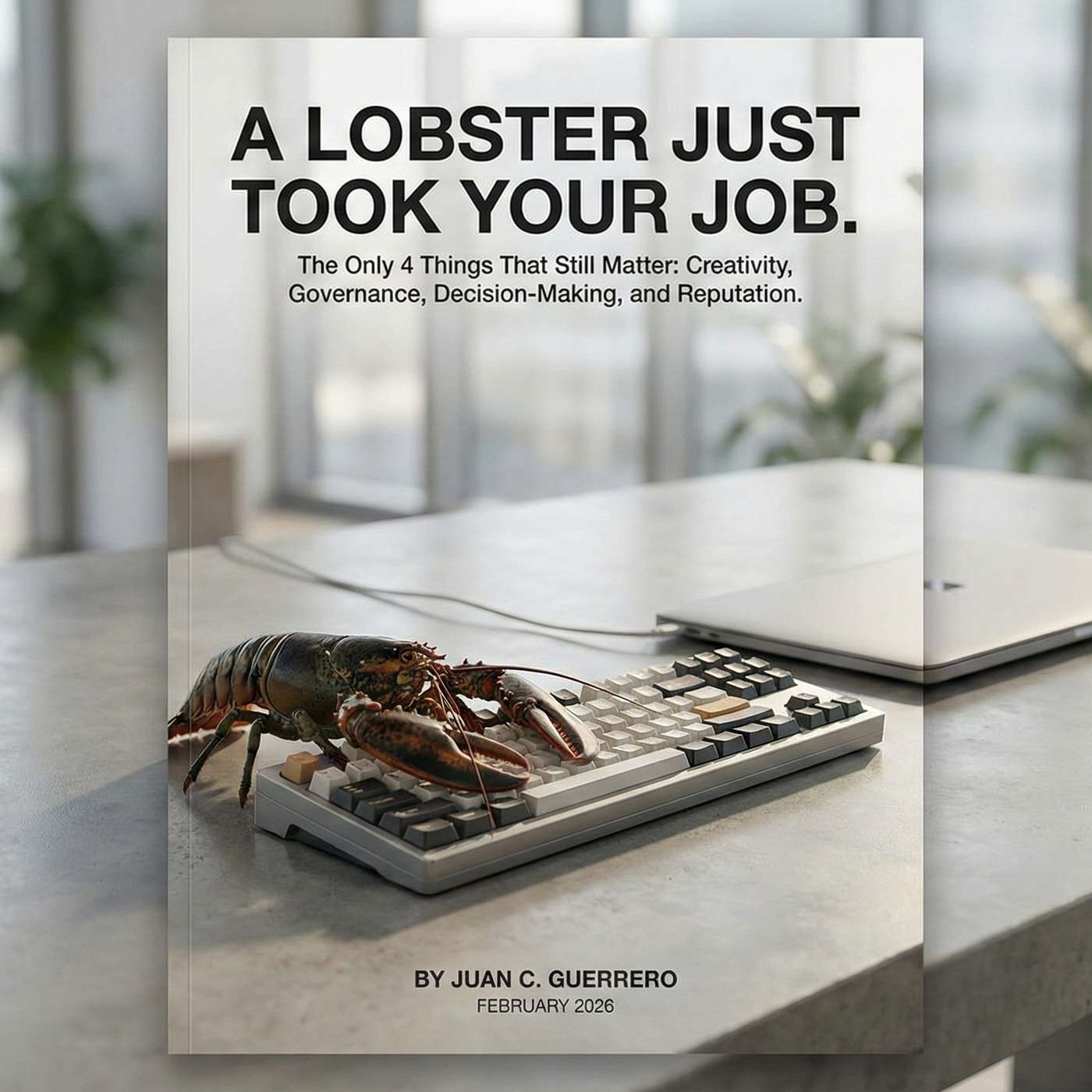
The focus on AI automating existing human labor misses the larger opportunity. The most significant value will come from creating entirely new types of companies that are fully autonomous and operate in ways we can't currently conceive, moving beyond simple replacement of today's jobs.

The narrative of AI destroying jobs misses a key point: AI allows companies to 'hire software for a dollar' for tasks that were never economical to assign to humans. This will unlock new services and expand the economy, creating demand in areas that previously didn't exist.

Contrary to fears of mass unemployment, AI will create new industries and roles. While transitional unemployment will occur, the demand for more energy, AI-related regulation (e.g., government lawyers), and new leisure sectors will generate significant job growth, offsetting the displacement from automation.
AI is dramatically increasing the capabilities of a single individual, lowering the barrier to entrepreneurship. This technological leverage will enable a massive new wave of solo founders who can build and scale businesses without the need for large teams or significant venture funding.
AI lowers the barrier to building products, empowering students to pursue entrepreneurship over traditional jobs. They can leverage AI to create ventures without needing large engineering teams, reframing the "AI will take jobs" fear into an "AI will create entrepreneurs" opportunity.
