Get your free personalized podcast brief
We scan new podcasts and send you the top 5 insights daily.
Dr. Soh argues that problematic porn use is often a coping mechanism for underlying anxiety and procrastination rather than a true addiction. It serves as an easy distraction to avoid life's problems and regulate emotions, making it a form of self-sedation, not a chemical dependency.

Related Insights
Individuals who believe they only have obsessions ("Pure O") often engage in hidden mental compulsions. These can include mentally replaying events or arguing with thoughts, which serve the same anxiety-reducing function as physical compulsions.

We don't reach for our phones out of genuine interest but as an escape from boredom, stillness, and underlying emotional pain. Distraction is a protective, emotional pattern. Reclaiming focus requires building the capacity to sit with discomfort rather than constantly seeking escape from it.

Historically, unpartnered young men caused societal disruption. This is less prevalent today because digital media provides titrated doses of sexual satisfaction (porn), status-seeking (video games), and community (screens), pacifying them out of real-world disruptive action. This creates men who are "useless" rather than "dangerous."
The "disease model" of addiction is flawed because it removes personal agency. Addiction is more accurately understood as a behavioral coping mechanism to numb the pain of unresolved trauma. Healing requires addressing the root cause of the pain, not just treating the addiction as a brain defect.

Chris Williamson's "Male Sedation Hypothesis" posits that high rates of male sexlessness aren't leading to social unrest because digital distractions are pacifying them. Video games, porn, and social media anesthetize men from their innate status-seeking and reproductive-seeking behaviors, promoting lethargy over action.
Workaholism isn't just a habit; it's a coping mechanism. It works by distracting the brain, which reduces activity in the amygdala—the center for fear and anger. This is the same principle used to calm a distressed toddler.
Addiction isn't defined by the pursuit of pleasure. It's the point at which a behavior, which may have started for rational reasons, hijacks the brain’s reward pathway and becomes compulsive. The defining characteristic is the inability to stop even when the behavior no longer provides pleasure and begins causing negative consequences.
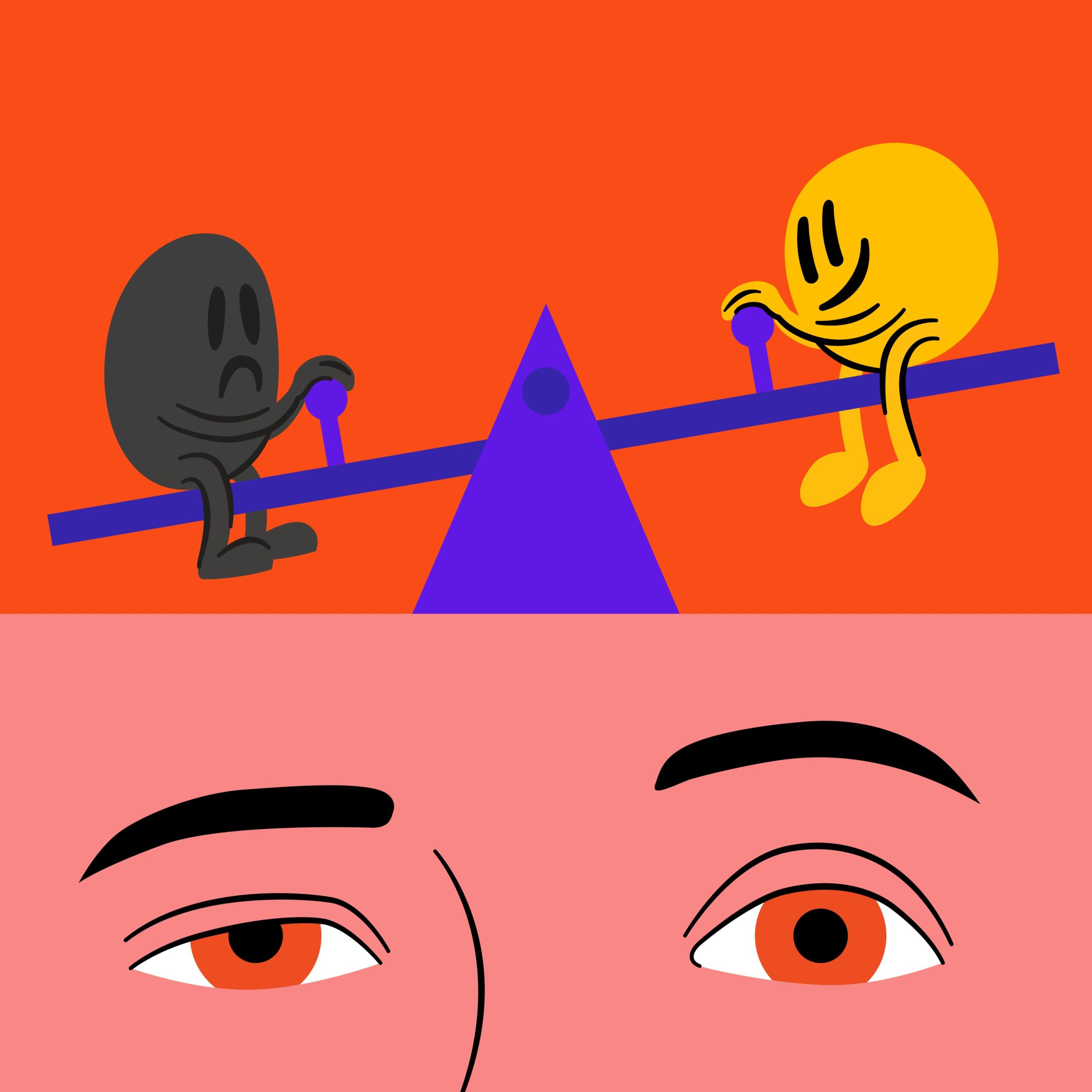
Contrary to popular belief, viewers of pornography who move towards more extreme content are not necessarily becoming desensitized. Instead, this progression often represents a gradual process of self-acceptance, where individuals finally admit to themselves what their true, perhaps unconventional, sexual preferences have been all along.
The core engagement loop of the internet is not simply dopamine, but a cycle of intense, opposing emotional activations. It maintains arousal by rapidly switching between fear, anger, and joy (e.g., scary news followed by a cute cat video), which is cognitively draining.

An obsessive attachment to another person is not about the qualities of that person (the "drug"). It is a symptom of deeper internal issues and traumas. The relationship is merely the mechanism you are using to cope with your own pain, creating a cycle of dependency.