Get your free personalized podcast brief
We scan new podcasts and send you the top 5 insights daily.
When asked how he angel invests while running Amazon, Jeff Bezos revealed his single criterion: he looks for founders who will pursue their vision "come hell or high water," regardless of external validation or support. This focus on relentless determination supersedes all other factors.

Related Insights
Reflecting on his career, Jerry Murdock found that the founders he personally "liked" most often lacked the necessary drive to succeed. The biggest wins came from "sharp-edged," obsessive, and even socially challenging individuals, suggesting that investor discomfort can be a positive signal for founder potential.

Beyond vision, the most exceptional founders can convince top talent to take pay cuts, persuade investors to fund them, and sign initial customers against all odds. This ability to conjure key resources is a primary indicator of success for early-stage investors to identify.

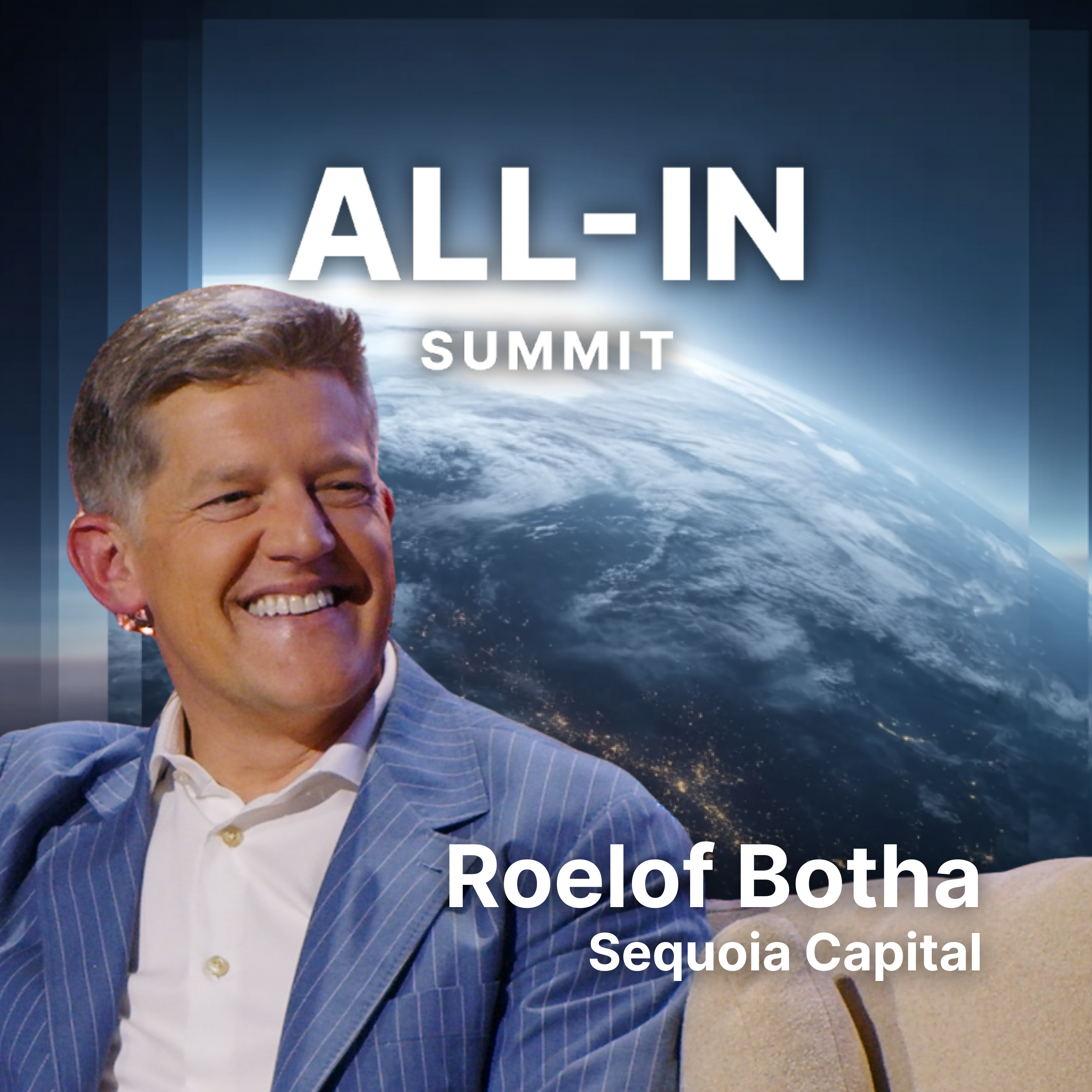
Sequoia's founder taught that the best investments are in individuals who are both exceptional and "not so easy to get along with." These founders challenge convention and refuse to accept the world as it is, a trait that makes them unconventional but also uniquely capable of building category-defining companies.
Rabois's investment formula requires a founder to be the absolute best he's ever met in at least one specific dimension—be it intelligence, tenacity, or strategy. He avoids investing in founders who are merely B+ across the board, betting instead on extreme, world-class exceptionalism.
While assessed during diligence, the true caliber of a founder—their passion, authenticity, and ability to "run through walls"—becomes starkly clear after the deal closes. This distinction is not subtle; the impact of a truly exceptional founder versus an average one is immediately evident in the business's trajectory.

Investor Jason Calacanis outlines his key evaluation criteria for founders. The most lethal combination includes the ability to ship product quickly, an eye for elite design, and a deep, personal obsession with their mission. He notes that skills like marketing can be learned, but these core traits are essential.

Great founders possess a deep-seated, non-financial motivation—like revenge against former rivals or redemption from a past failure. This "Count of Monte Cristo" drive allows them to persevere through extreme hardship and turn down lucrative but premature exits, a key trait VCs look for.

A truly exceptional founder is a talent magnet who will relentlessly iterate until they find a winning model. Rejecting a partnership based on a weak initial idea is a mistake; the founder's talent is the real asset. They will likely pivot to a much bigger opportunity.

When investing in other startups, James Watt weighs the founder's mentality as 80% of the decision. He looks for resilience and how they perform when their back is against the wall, believing this tenacity is the ultimate determinant of a business's success or failure.

During a tough fundraising process, founders should remove emotion and ask themselves a critical question: 'Would I invest my entire personal fortune into this right now?' Answering 'yes' with rational conviction is the key to weathering rejections and ultimately persuading an anchor investor to make the first bet.