Get your free personalized podcast brief
We scan new podcasts and send you the top 5 insights daily.
To get past historian Yuval Noah Harari's guarded media persona, Levitt asked why his book *Sapiens* succeeded despite violating a key storytelling rule (lacking characters). This specific, insightful challenge demonstrated deep preparation and prompted a novel, open conversation, breaking through Harari's standard talking points.

Related Insights
Author John Grisham, a longtime death penalty supporter, had a complete change of heart after a prison chaplain asked, "Do you think Jesus will approve of what we do here?" This shows that a well-posed, self-reflective question can be far more persuasive than a direct confrontation, as it bypasses defensiveness.

Direct questions in sales or leadership can feel confrontational. Prefacing them with 'I'm curious...' completely changes the dynamic from an interrogation to a collaborative effort to understand. This simple linguistic shift builds trust, encourages openness, and turns transactions into lasting relationships.
Instead of asking standard discovery questions, top performers pose strategic questions that require joint exploration. This shifts the dynamic from a sales pitch to a collaborative problem-solving session, creating a deeper partnership and revealing unforeseen opportunities that standard questions would miss.

Instead of asking leading questions that corner an interviewee, use open-ended prompts starting with 'how,' 'what,' or 'why.' This encourages expansive answers and genuine information gathering, whereas closed questions allow for simple, uninformative deflections, achieving no learning.

To gauge an expert's (human or AI) true depth, go beyond recall-based questions. Pose a complex problem with multiple constraints, like a skeptical audience, high anxiety, and a tight deadline. A genuine expert will synthesize concepts and address all layers of the problem, whereas a novice will give generic advice.
A founder asking an investor about their biggest blind spot during evaluation is a disarming and intelligent question. As shared by Maytha Agarwal of Defy, it forces the VC to self-audit their decision-making process in real-time, revealing their introspection and leading to a more honest, transparent conversation.

Knowing his podcast audience was audio-only, Steve Levitt intentionally avoided asking guest BJ Miller about the accident that caused his amputations. This forced a conversation about Miller's work, not his trauma. When the story was finally told late in the interview, it emerged with more authentic emotion than in typical settings.
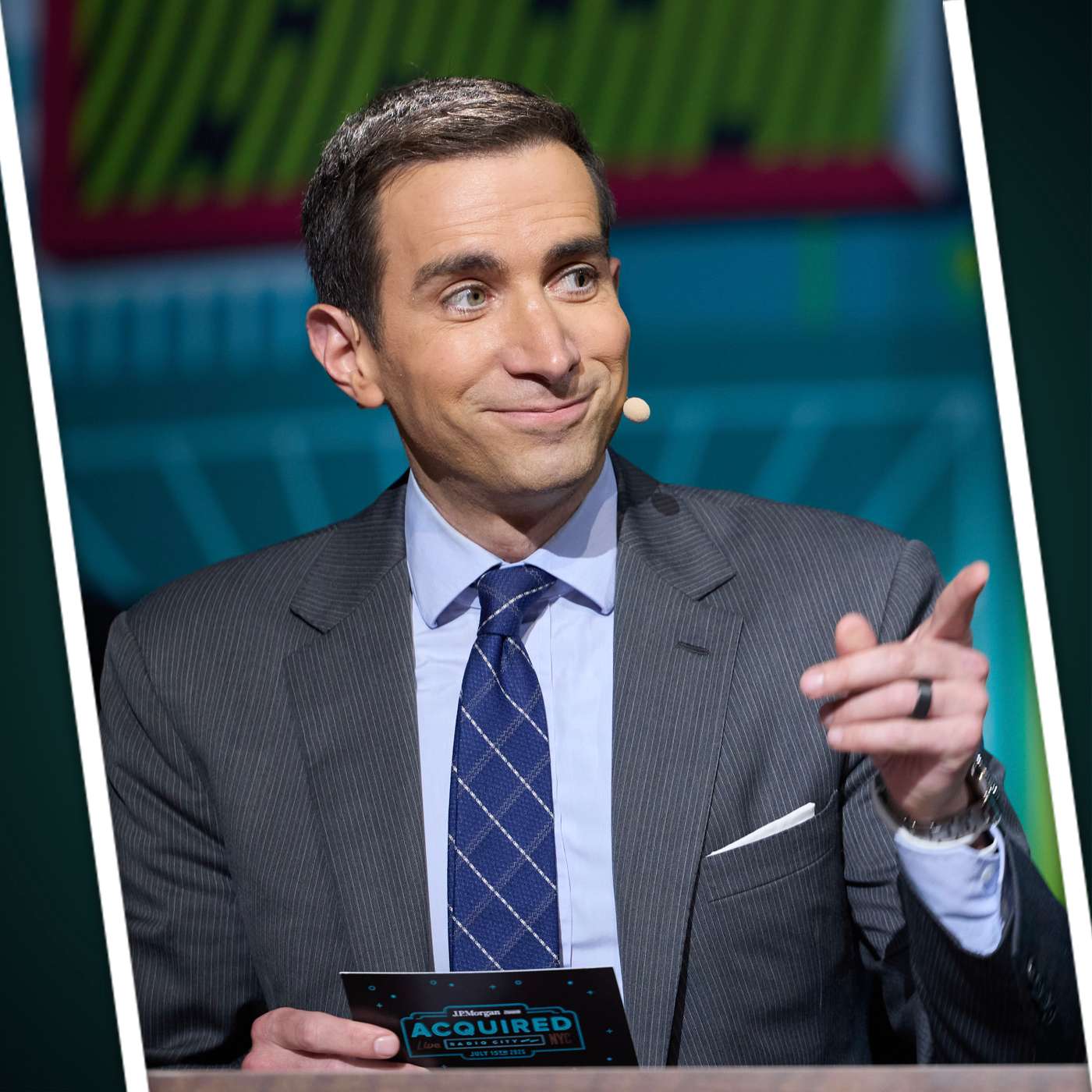
To broach a sensitive topic, Andrew Ross Sorkin reads a critical quote from another source. This technique shifts the focus from a personal attack ("I think you...") to a public concern ("Others are saying..."). It forces the interviewee to grapple with an issue they have likely already considered, leading to a more thoughtful response.
Formally trained experts are often constrained by the fear of reputational damage if they propose "crazy" ideas. An outsider or "hacker" without these credentials has the freedom to ask naive but fundamental questions that can challenge core assumptions and unlock new avenues of thinking.

Instead of personally challenging a guest, read a critical quote about them from another source. This reframes you as a neutral moderator giving them a chance to respond, rather than an attacker. The guest has likely already prepared an answer for known criticisms.