Get your free personalized podcast brief
We scan new podcasts and send you the top 5 insights daily.
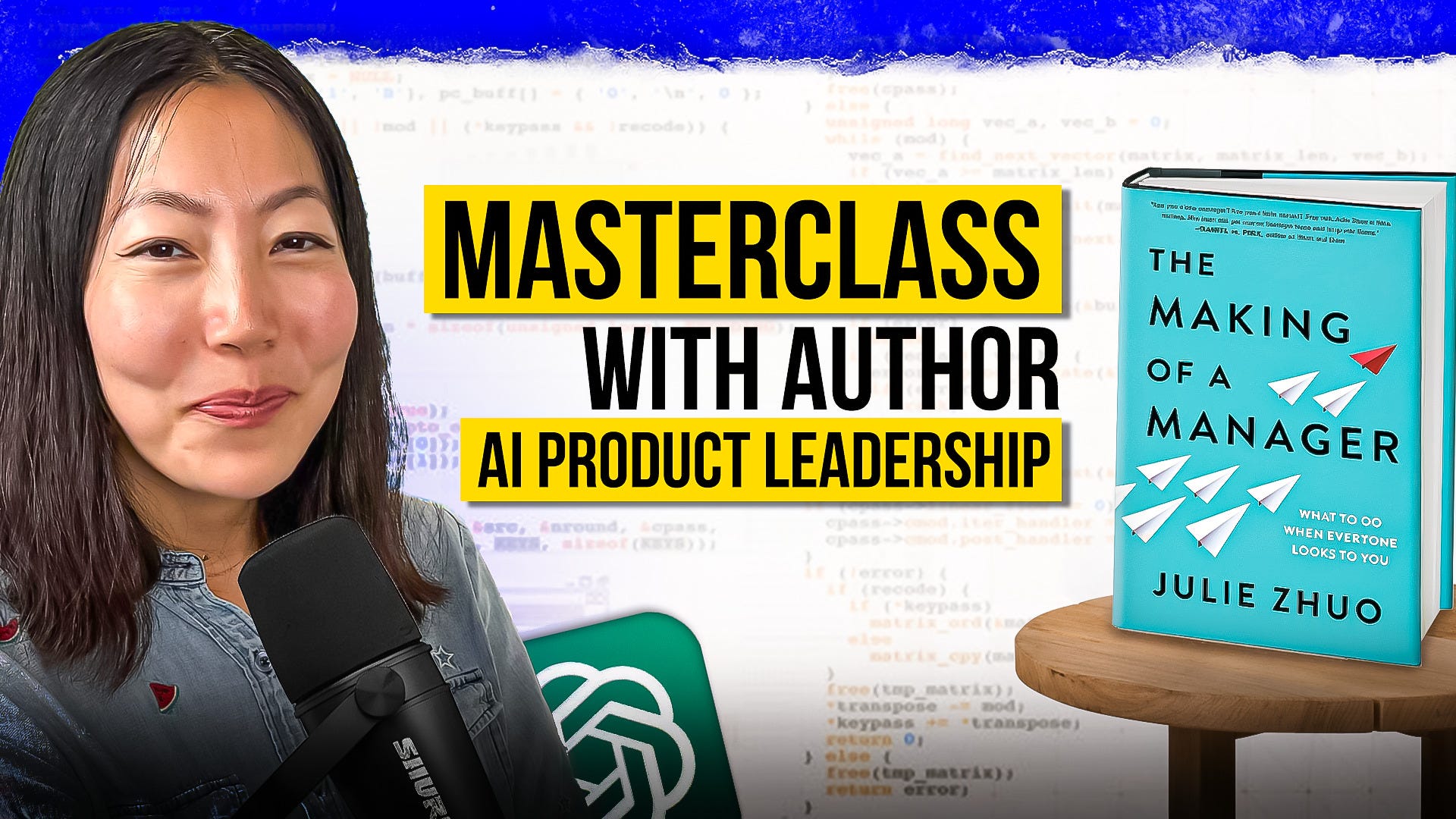
To adapt to AI-driven workflows, Microsoft's LinkedIn combined product managers, designers, and engineers into a single "full stack builder" role. This structural change eliminates communication bottlenecks and empowers individuals to leverage AI tools for end-to-end product development, drastically increasing speed.
Related Insights
The traditional, linear handoff from product (PRDs) to design to dev is too slow for AI's rapid iteration cycles. Leading companies merge these roles into smaller, senior teams where design and product deliver functional prototypes directly to engineering, collapsing the feedback loop and accelerating development.

In a radical shift, LinkedIn is ending its traditional Associate Product Manager (APM) program. It's being replaced by an Associate Product Builder (APB) program where new hires are trained from day one in coding, design, and product management, reflecting the move toward a consolidated, AI-powered builder role.

Advanced AI models are blurring the lines between coding, design, and marketing, enabling a new "vibe building" workflow. This paradigm shift allows a single person to manage the entire product stack holistically, moving beyond simple "vibe coding" to full-fledged product creation.

Dylan Field predicts that AI tools will blur the lines between design, engineering, and product management. Instead of siloed functions, teams will consist of 'product builders' who can contribute across domains but maintain a deep craft in one area. Design becomes even more critical in this new world.

The traditional tech team structure of separate product, engineering, and design roles is becoming obsolete. AI startups favor small teams of 'polymaths'—T-shaped builders who can contribute across disciplines. This shift values broad, hands-on capability over deep specialization for most early-stage roles.
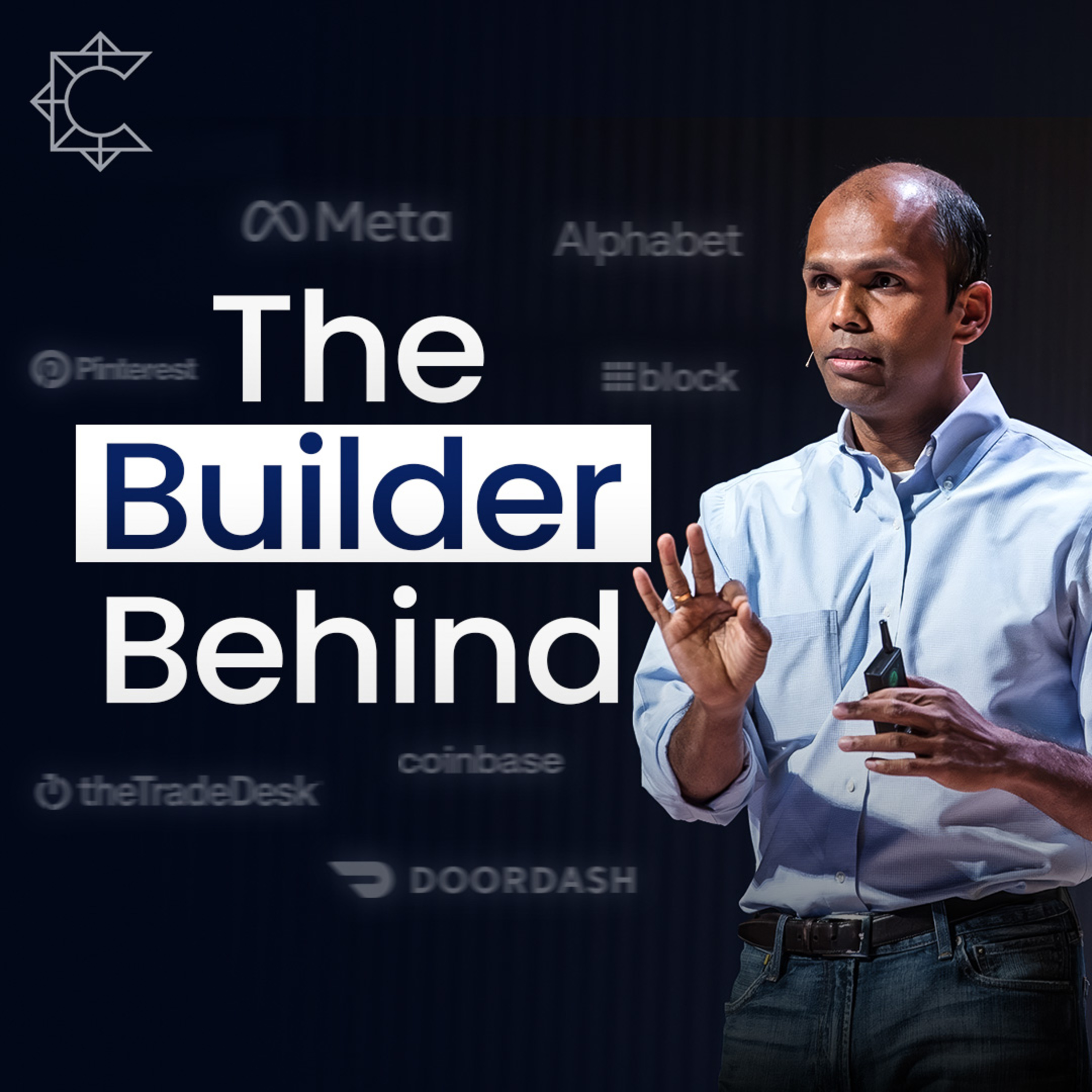
As AI democratizes the ability to create products, rigid job titles like "Product Manager" and "Engineer" will become obsolete. Meta PM Zevi Arnovitz predicts that responsibilities will merge, and the focus will shift to the act of creation. In the near future, everyone on a product team will simply be a "builder."

At the AI-native company Cursor, roles are "really muddy." Team members contribute based on individual strengths—like visual design or systems architecture—and use AI agents to bridge skill gaps and tie work together. This creates a more fluid and efficient team structure.

As AI tools empower individuals to handle tasks across the entire product development lifecycle, traditional, siloed roles are merging. This fundamental shift challenges how tech professionals define their value and contribution, causing significant professional anxiety.

LinkedIn is piloting a "Full Stack Builder" model where individuals handle the entire product lifecycle. The model's goal is to automate most tasks, allowing builders to focus on uniquely human traits: vision, empathy, communication, creativity, and especially judgment.
AI's rise means traditional product roles are merging. Instead of identifying as a PM or designer, focus on your core skills (e.g., visual aesthetics, systems thinking) and use AI to fill gaps. This 'builder' mindset, focused on creating end-to-end, is key for future relevance.