Get your free personalized podcast brief
We scan new podcasts and send you the top 5 insights daily.
Many successful DTC brands don't start with a polished, premium feel. Athletic Greens' original landing page resembled a low-budget MLM ad. This "start janky" approach allows for rapid testing and scaling before investing in sophisticated branding with celebrity endorsers like Hugh Jackman.

Related Insights
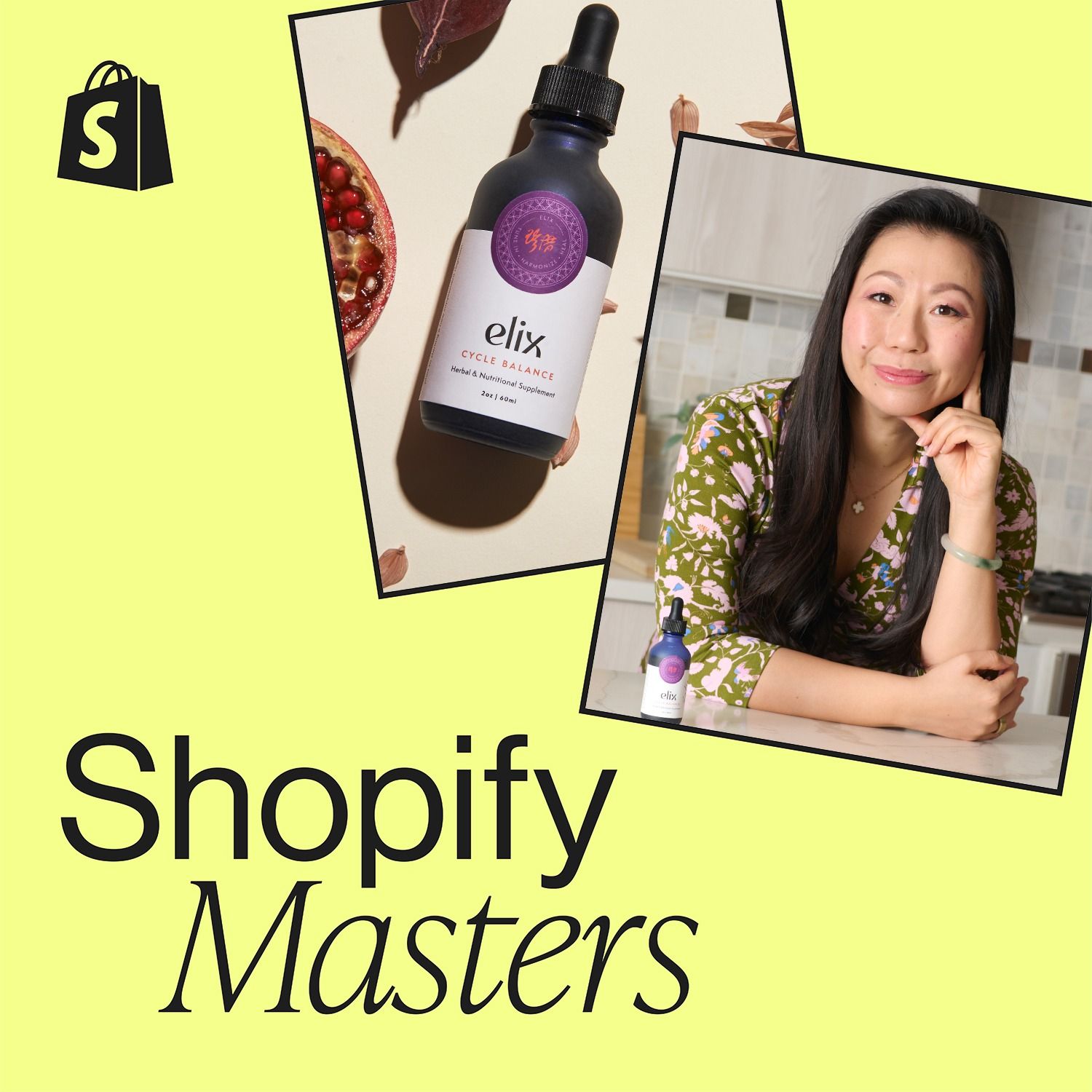
Elix founder Lulu Ge launched a beta test called "#periodpainfree" with basic packaging. This allowed her to gauge real-world demand from strangers online before committing resources to a full brand launch, proving the concept's viability cheaply and effectively.
Relying solely on performance ads for rapid growth creates a sales machine, not a defensible business. This strategy makes you vulnerable to copycats who will replicate your product and target the same audience for less. Reinvest ad profits into organic content to build a brand moat.

For emerging brands, the path to retail shelf space is indirect. Instead of pitching buyers, focus on building a powerful direct-to-consumer (DTC) business and capturing the attention of younger demographics online. Retailers, desperate to attract these consumers, will then come to you.
Contrary to the impulse to outsource, early-stage entrepreneurs should run their own ads first. This is not only more affordable than an agency but also provides invaluable, firsthand data on what messaging and offers resonate—critical knowledge for effective scaling later.

Large CPG players have slow, agency-driven feedback loops. Nimble DTC brands can win by rapidly testing creative, messaging, and offers online, gaining an insurmountable learning advantage. Speed itself becomes the strategic edge, not just a byproduct of being small.

A powerful first move for a new brand is leveraging community-driven affiliate platforms. By getting the product into the hands of engaged creators in relevant communities, a brand can build authentic word-of-mouth and generate multi-million dollar revenue before ever investing in traditional CRM or paid media channels.
An unconventional, animation-heavy launch website, like Amy's, serves a specific strategic purpose: capturing attention and putting the product on the map. Even if it's later replaced by a more conversion-focused design, the initial "noise" and brand recognition it generates can be invaluable for a new company.

Instead of perfecting one funnel, successful brands test a high volume of marketing angles (e.g., 50) with simple static ads. They identify the top performers (e.g., 3-4 "honey holes") and then build out more extensive funnels with video and dedicated landing pages for only those winners.

Before landing major retailers, Buy Rosie Jane used its 50 small boutique partners as a training ground. This 'university' phase allowed them to test messaging, create their own shelf talkers, and define their 'clean' positioning, preparing them for larger-scale success with a fully-formed brand story.

Despite his public profile, founder Thomas Robson-Kanu initially remained anonymous, handling customer service and DMs himself. This strategy forced the brand to stand on product quality and customer testimonials alone, building authentic credibility before he attached his personal brand to the company.