Get your free personalized podcast brief
We scan new podcasts and send you the top 5 insights daily.
Despite his public profile, founder Thomas Robson-Kanu initially remained anonymous, handling customer service and DMs himself. This strategy forced the brand to stand on product quality and customer testimonials alone, building authentic credibility before he attached his personal brand to the company.

Related Insights
Despite his large following, Eric Zhu's goal isn't personal fame but to build "cool shit." He advises founders to focus on building a brand around their product. The product should be the star, with the personal brand serving as its primary distribution channel, not the end goal.

Contrary to the belief that businesses must appear flawless, sharing behind-the-scenes struggles and unpolished content can build stronger community and loyalty. This raw authenticity resonates more with audiences than a curated image, humanizing the brand and making customers feel like part of the journey.
The founder intentionally avoids tracking competitors, believing it leads to imitation and dilutes his unique brand identity. He compares it to a race: looking sideways slows you down. This focus on his own lane ensures the brand remains differentiated and authentic rather than reactive.
Lanny Smith was initially uncomfortable being the public face of Actively Black. He found, however, that sharing his personal story and motivations created a deeper customer connection than any marketing campaign could, making his authentic narrative the brand's most powerful growth tool.
Instead of leading all content, a founder can be 'involved' by making periodic appearances in company content or influencer collaborations. This provides authenticity without the full-time burden of being a creator, acting as a valuable experiment.

To ensure quality, The League's founder personally vetted every single applicant, rejecting those who didn't meet standards (e.g., 'gym selfies'). This unscalable, manual curation built immense trust and reliability, which became the brand's core differentiator and value proposition.
Despite high-profile celebrities like Lady Gaga wearing their boots, Red Wing intentionally avoids commercializing it. They provide product to stylists but don't amplify the usage, believing an organic, unforced presence maintains more brand authenticity and long-term value than a paid campaign.

To create a brand that outlasts any individual, founder Nima Jalali avoids making his pro-snowboarder background the central marketing story. He believes a brand’s narrative should be bigger than one person's story to achieve true longevity, comparing it to how Apple markets the iPhone, not Steve Jobs.
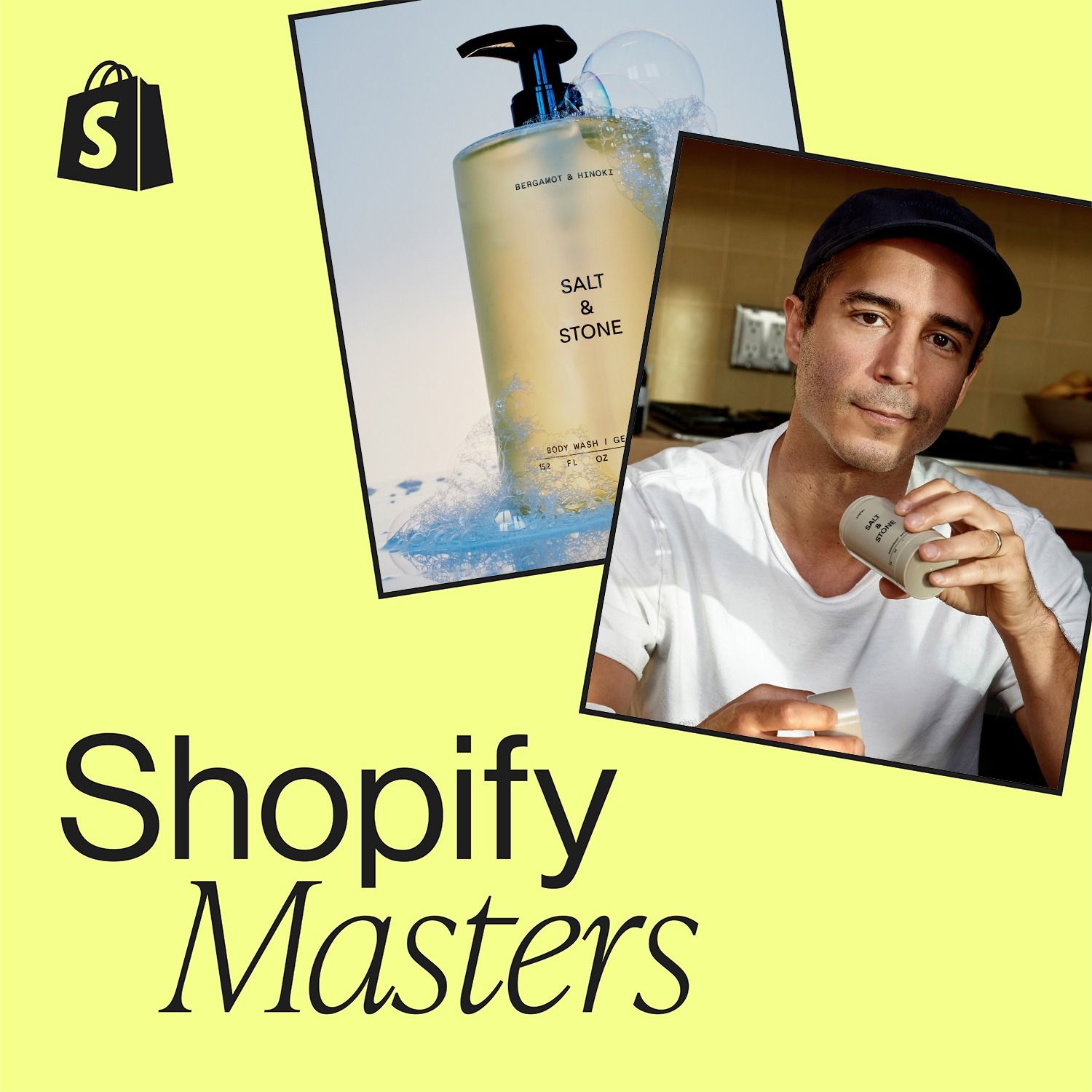
By not featuring co-founder Katy Perry on its cans, De Soi builds an identity separate from its celebrity backer. This creates long-term brand equity and attracts customers who discover the product organically, ensuring loyalty is to the brand itself—a crucial factor for a potential future acquisition.
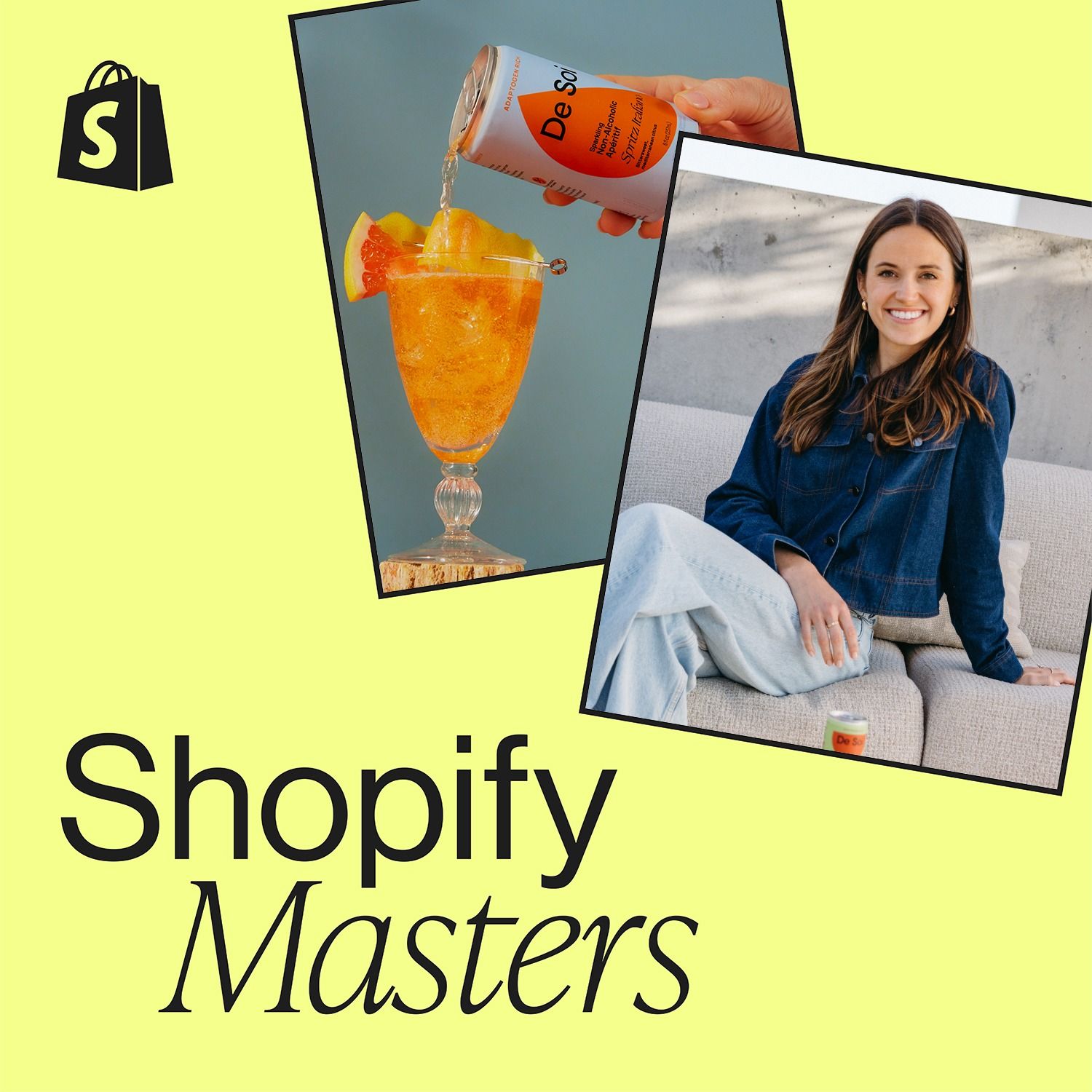
The era of simply 'slapping a celebrity face' on a product is over. Modern consumers demand authenticity. Successful brands like Fenty and Rare Beauty thrive because their founders are deeply involved, knowledgeable about the products, and genuinely connected to a larger mission, such as inclusivity or mental health.
