Get your free personalized podcast brief
We scan new podcasts and send you the top 5 insights daily.
While publicly expressing support for Anthropic's principles, OpenAI was simultaneously negotiating with the Department of Defense. OpenAI's move to accept a deal that Anthropic rejected showcases how ethical conflicts can create strategic business opportunities, allowing a competitor to gain a major government contract by being more flexible on terms.

Related Insights
Anthropic's refusal to allow the Pentagon to use its AI for autonomous weapons is a strategic branding move. This public stance positions Anthropic as the ethical "good guy" in the AI space, similar to Apple's use of privacy. This creates a powerful differentiator that appeals to risk-averse enterprise customers.

Anthropic's public standoff with the Pentagon over AI safeguards is now being mirrored by rivals OpenAI and Google. This unified front among competitors is largely driven by internal pressure and the need to retain top engineering talent who are morally opposed to their work being used for autonomous weapons.

Leading AI companies, facing high operational costs and a lack of profitability, are turning to lucrative government and military contracts. This provides a stable revenue stream and de-risks their portfolios with government subsidies, despite previous ethical stances against military use.
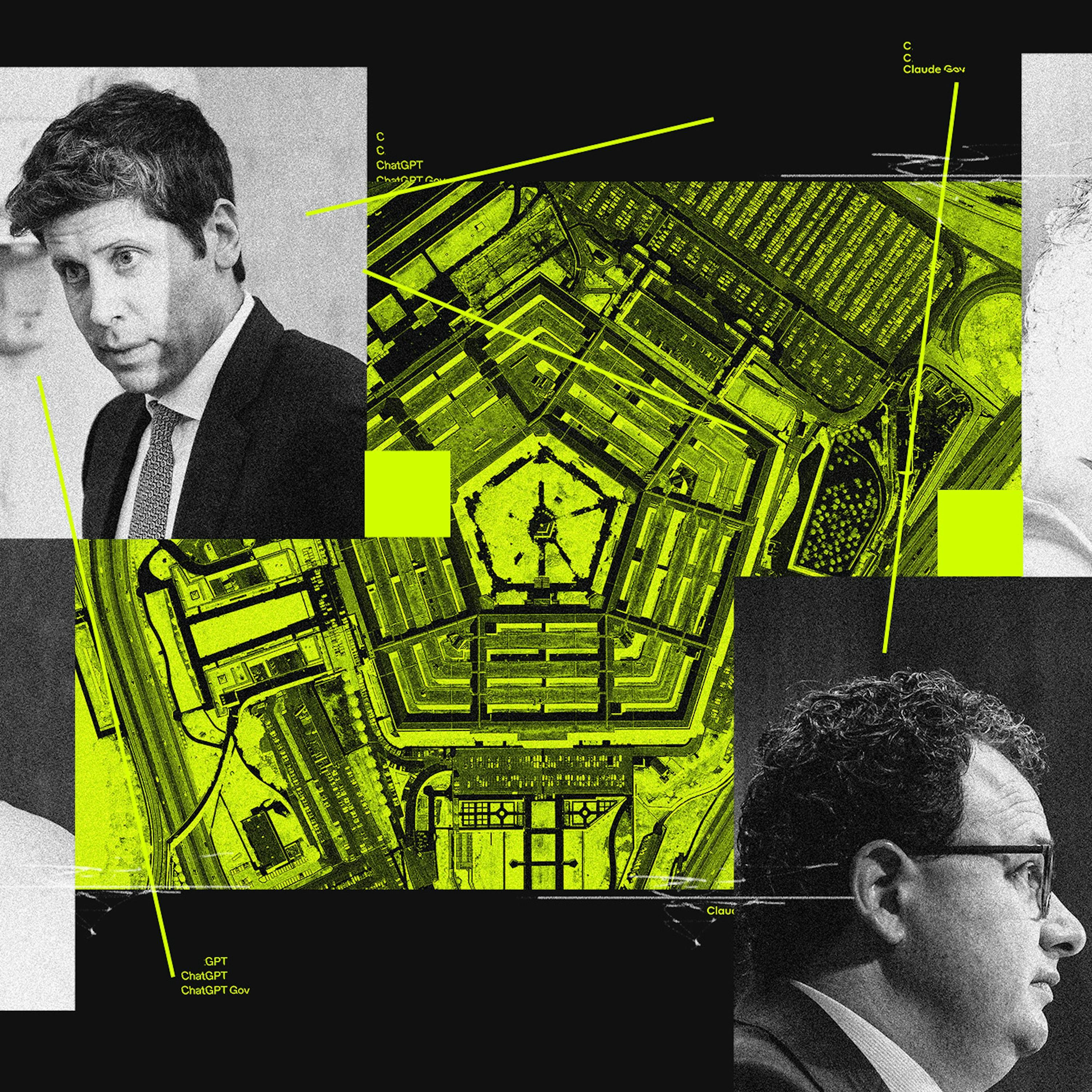
If one AI company, like Anthropic, ethically refuses to remove safety guardrails for a government contract, a competitor will likely accept. This dynamic makes it nearly inevitable that advanced AI will be used for military purposes, regardless of any single company's moral stance.

While Anthropic battles the Pentagon over usage policies, Elon Musk's XAI is the only major lab to have agreed to the government's "all lawful uses" standard. This quiet compliance strategically positions XAI as a more reliable and less contentious partner for military contracts, potentially giving it a significant advantage in the lucrative defense sector.
Anthropic is leveraging a seemingly minor disagreement over hypothetical military use cases into a major public relations victory. This move cements its brand as the "ethical" AI company, even if the core conflict is more of a culture clash than a substantive policy dispute.

The conflict's public nature risks turning OpenAI's cooperation with the military into a "morally dissonant" association for users. This could trigger switching behavior to alternatives like Claude, now positioned as the "ethical" choice. In a memetic environment, consumer perception, not contract details, can drive market share.
By publicly clashing with the Pentagon over military use and emphasizing safety, Anthropic is positioning itself as the "clean, well-lit corner" of the AI world. This builds trust with large enterprise clients who prioritize risk management and predictability, creating a competitive advantage over rivals like OpenAI.
The Department of War is threatening to blacklist Anthropic for prohibiting military use of its AI, a severe penalty typically reserved for foreign adversaries like Huawei. This conflict represents a proxy war over who dictates the terms of AI use: the technology creators or the government.
Anthropic's aggressive legal stance against the popular open-source project 'Claude Bot' backfired. It not only alienated developers but also created a perfect opportunity for rival OpenAI to acquire the project (renamed 'OpenClaw'), turning a competitor's PR fumble into a major strategic win and ecosystem capture.