Get your free personalized podcast brief
We scan new podcasts and send you the top 5 insights daily.
In a study comparing military captains and generals, novices used data to confirm their initial strategy. The more experienced generals used the same data to question their strategy, treating intuition as a starting point for inquiry, not a conclusion.

Related Insights
Elite performers are biased toward execution, so they rush to solve obstacles identified in pre-mortems without validating them first. This “curse of competence” creates a blind spot. The crucial first step is to “prosecute the problem”—rigorously question if the perceived obstacle is real or just an outdated assumption.

While studying cognitive biases (like Charlie Munger advises) is useful, it's hard to apply in real-time. A more practical method for better decision-making is to use a Socratic approach: ask yourself simple, probing questions about your reasoning, assumptions, and expected outcomes.

Certain individuals have a proven, high success rate in their domain. Rather than relying solely on your own intuition or A/B testing, treat these people as APIs. Query them for feedback on your ideas to get a high-signal assessment of your blind spots and chances of success.

The more people learn about a subject, the more they realize how much they don't know. This contradicts the idea that expertise leads to arrogance. Novices, who are unaware of a field's complexity, are often the most overconfident.

A strong gut feeling or intuition should be treated as a critical decision-making tool. For many entrepreneurs, this intuitive 'knowing' consistently leads to the right choices, even when it contradicts logical analysis, making it a superpower to be trusted and honed.

Before committing capital, professional investors rigorously challenge their own assumptions. They actively ask, "If I'm wrong, why?" This process of stress-testing an idea helps avoid costly mistakes and strengthens the final thesis.

Intuition is not a mystical gut feeling but rapid pattern recognition based on experience. Since leaders cannot "watch game tape," they must build this mental library by systematically discussing failures and setbacks. This process of embedding learnings sharpens their ability to recognize patterns in future situations.
Effective problem-solving uses a two-stage process modeled by chess grandmaster Magnus Carlsen. First, leverage intuition and pattern recognition ('gut feel') to generate a small set of promising options. Then, apply rigorous, logical analysis only to that pre-filtered set, balancing creativity with analytical discipline.

If a highly successful person repeatedly makes decisions that seem crazy but consistently work, don't dismiss them. Instead, assume their model of reality is superior to yours in a key way. Your goal should be to infer what knowledge they possess that you don't.
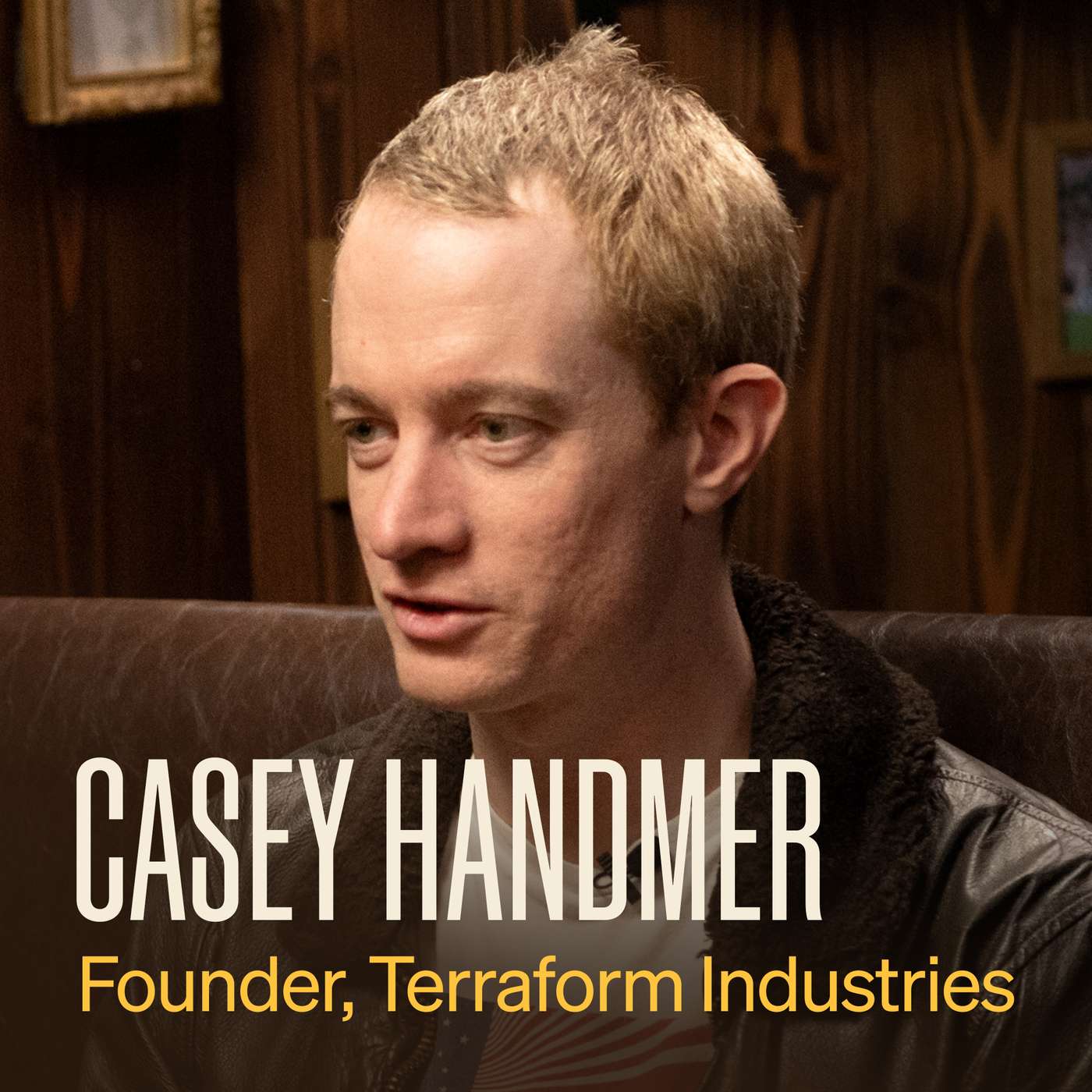
The most successful founders rarely get the solution right on their first attempt. Their strength lies in persistence combined with adaptability. They treat their initial ideas as hypotheses, take in new data, and are willing to change their approach repeatedly to find what works.
