Get your free personalized podcast brief
We scan new podcasts and send you the top 5 insights daily.
When scouting the band Candlebox in a small club with only 30 people, Oseary immediately visualized thousands of fans singing along. This intuitive leap—seeing the future mass-market appeal from a tiny sample—is the "magic" he looks for in artists and startups, allowing for high-conviction bets.

Related Insights
Lou Frankfurt scaled Coach using a framework he called "magic and logic." "Magic" encompassed vision, belief, curiosity, and instinct. "Logic" involved building a purpose-driven culture and using data. This mental model ensured that creative, right-brain thinking was always paired with disciplined, left-brain execution.

The most effective way to identify emerging trends is not to predict them but to act like a music A&R scout. Go where early adopters gather and observe their genuine reactions to new products or ideas. The audience's authentic energy signals what's about to become big.

Investors are often more compelled by a founder's palpable confidence and unique understanding of a market than by the product itself. During a pitch, radiating a deep belief in a "secret" insight about your users demonstrates a level of conviction that can be more persuasive than any metric.
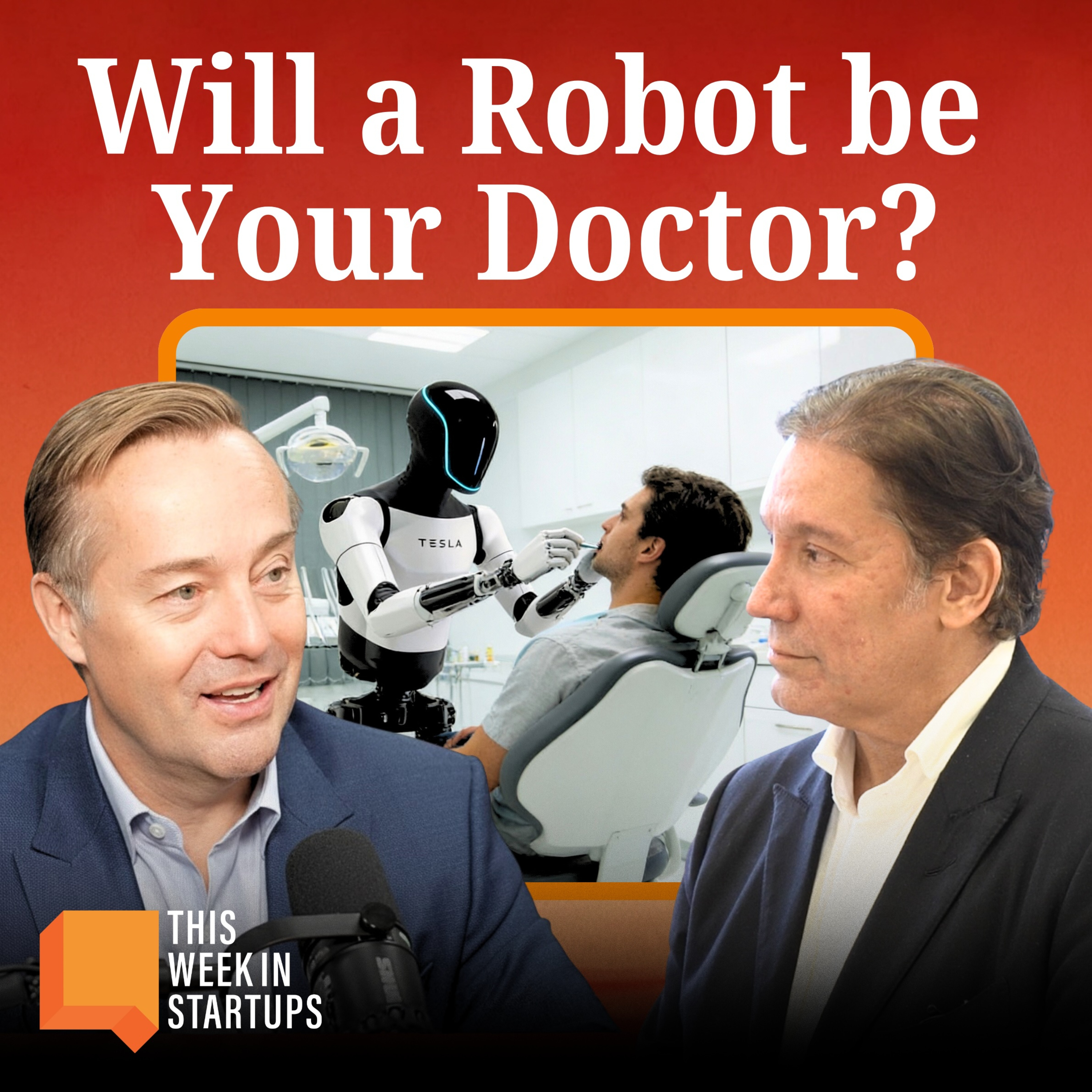
Oseary views founders as artists with a vision to share. He applies his music industry framework to tech investing: identifying talent early, helping build their "audience" (user base), and crafting a compelling narrative (their "first single") to help them reach the world.
Oseary credits his success to a rapid, intuitive decision-making process developed in the competitive music industry. He believes the "magic" of a great artist or company is immediately apparent, and over-analysis leads to missed opportunities. This approach applies to both signing bands and funding startups.
A strong gut feeling or intuition should be treated as a critical decision-making tool. For many entrepreneurs, this intuitive 'knowing' consistently leads to the right choices, even when it contradicts logical analysis, making it a superpower to be trusted and honed.
Breakthrough innovation often comes from entrepreneurs holding a non-consensus belief about the future. This vision can seem irrational, like the man live-streaming an inauguration on a laptop in 2009. This conviction in their "secret" knowledge, which others dismiss, is a key trait of visionary founders who can build what others cannot yet see.

Founders are often too close to their own ideas to see their novelty. What seems like common sense to them is often a brilliant insight to the market. A marketer's key function is to extract and package this 'obvious' genius that the founder overlooks.

Experienced VCs may transition from rigid analytical frameworks to an intuitive search for outliers. Instead of asking if a business plan 'makes sense,' they look for unusual qualities that challenge their worldview and hint at massive potential.

While data provides a logical foundation, the most critical decisions in the creator economy rely on "magic"—an intuitive, gut feeling about a creator's star power or a deal's potential. This blend of art and science is essential for identifying top talent and navigating the space.
