Get your free personalized podcast brief
We scan new podcasts and send you the top 5 insights daily.
Oseary credits his success to a rapid, intuitive decision-making process developed in the competitive music industry. He believes the "magic" of a great artist or company is immediately apparent, and over-analysis leads to missed opportunities. This approach applies to both signing bands and funding startups.

Related Insights
Waiting for perfect data leads to paralysis. A core founder skill is making hard decisions with incomplete information. This 'founder gut' isn't innate; it's developed by studying the thought processes—not just the outcomes—of experienced entrepreneurs through masterminds, advisors, or podcasts.

Brian Singerman's venture strategy was almost entirely focused on founder assessment, making up over 98% of his decision. He famously doesn't read financial reports or use spreadsheets, instead concentrating all his effort on one question: is this founder the best in the world at something novel?

When scouting the band Candlebox in a small club with only 30 people, Oseary immediately visualized thousands of fans singing along. This intuitive leap—seeing the future mass-market appeal from a tiny sample—is the "magic" he looks for in artists and startups, allowing for high-conviction bets.
Oseary views founders as artists with a vision to share. He applies his music industry framework to tech investing: identifying talent early, helping build their "audience" (user base), and crafting a compelling narrative (their "first single") to help them reach the world.
The key differentiator for top talent isn't flawless judgment, but a shorter lag time between receiving a signal and responding. Looping thoughts like doubt and hesitation cripple this "decision velocity," stalling conversations and deals. The goal is to make fast, committed decisions and adjust in real-time.

A strong gut feeling or intuition should be treated as a critical decision-making tool. For many entrepreneurs, this intuitive 'knowing' consistently leads to the right choices, even when it contradicts logical analysis, making it a superpower to be trusted and honed.
Experienced VCs may transition from rigid analytical frameworks to an intuitive search for outliers. Instead of asking if a business plan 'makes sense,' they look for unusual qualities that challenge their worldview and hint at massive potential.
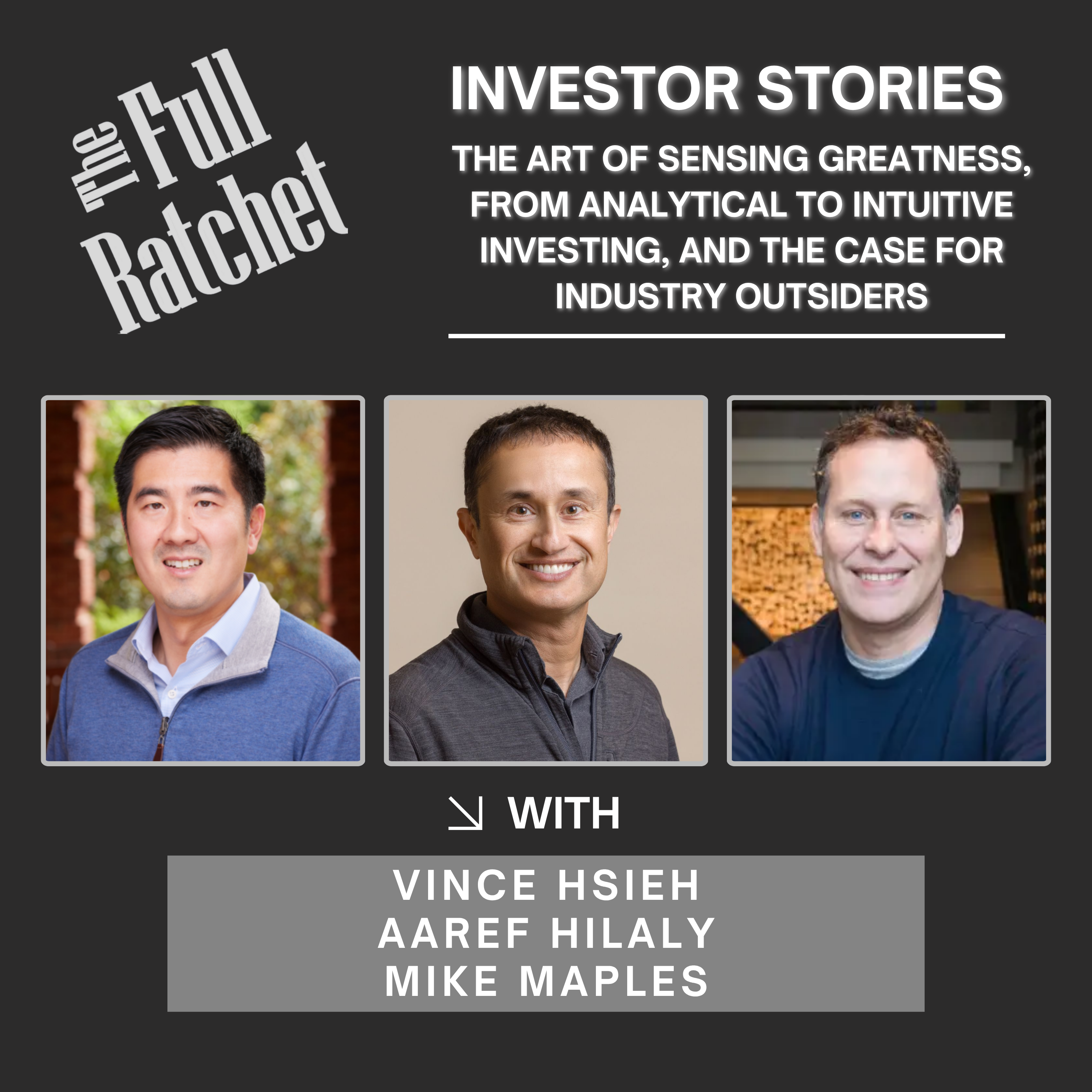
VC firm Accel Capital exemplifies "prepared mind" investing. By running scenario exercises on new technologies, they pre-determine what a successful company and founder should look like. When an entrepreneur pitches an idea that fits this pre-built thesis, the firm can move quickly and decisively, as they've already completed most of the analytical work.
While data analysis is crucial, it's impossible to analyze everything before making a decision. Experienced leaders learn to trust their gut feeling, as exhaustive analysis rarely changes the final outcome but causes significant delays. Furthermore, the personal chemistry between business partners is a critical, often underestimated, factor for success.

A CEO is always selling their company's story—to investors, hires, and customers. An investor's first filter is whether the CEO can get them interested and excited in the first 30 seconds. If it takes a 35-slide deck to explain the vision, the opportunity is likely already lost.
