Get your free personalized podcast brief
We scan new podcasts and send you the top 5 insights daily.
Cacioppo admits the billboard was a placement order, not the multi-year contract she had joked about. A competitor paid more and the seller refused even triple because the company was cash-flow positive, leaving Vanta without the spot and its founder worried.

Related Insights
In the sale of Wingstop, Antonio Swad's $12 million seller-financed note was contingent on "available cash flow." The buyers exploited this term by spending all revenue on bonuses and expansion, ensuring no cash was ever "available" and legally withholding payments for years.

Startup revenue projections often rely on signed distribution agreements that can rapidly evaporate under media scrutiny. Theranos missed its revenue targets because Walgreens defaulted on an 800-store rollout contract following adverse press, converting contractual projections into accusations of fabricated financial metrics.

Early in its journey, HubSpot secured a deal with Meta that would have doubled its quarterly revenue. However, founder Brian Halligan tore up the contract because Meta was far outside their ICP. Servicing them would have derailed the product roadmap and company focus, ultimately destroying the business.

An early-stage investor explains that a founder presenting a prospective client as a paying customer is a non-negotiable deal-breaker. This seemingly small exaggeration suggests a pattern of future dishonesty, making the founder untrustworthy, regardless of how close the deal is to closing.

Jeff Bussgang of Flybridge had a "won" deal with Viva on a Friday, only to lose it by Monday. As a Boston/New York firm chasing a hot deal in Silicon Valley, they were at a geographical disadvantage against a local firm, who ultimately led the highly successful Series A round.

Vanta initially succeeded by making its brand synonymous with "SOC 2." This strategy became a liability once competitors entered. They were able to frame themselves relative to Vanta ("Vanta, but cheaper"), hijacking the brand association Vanta had built.

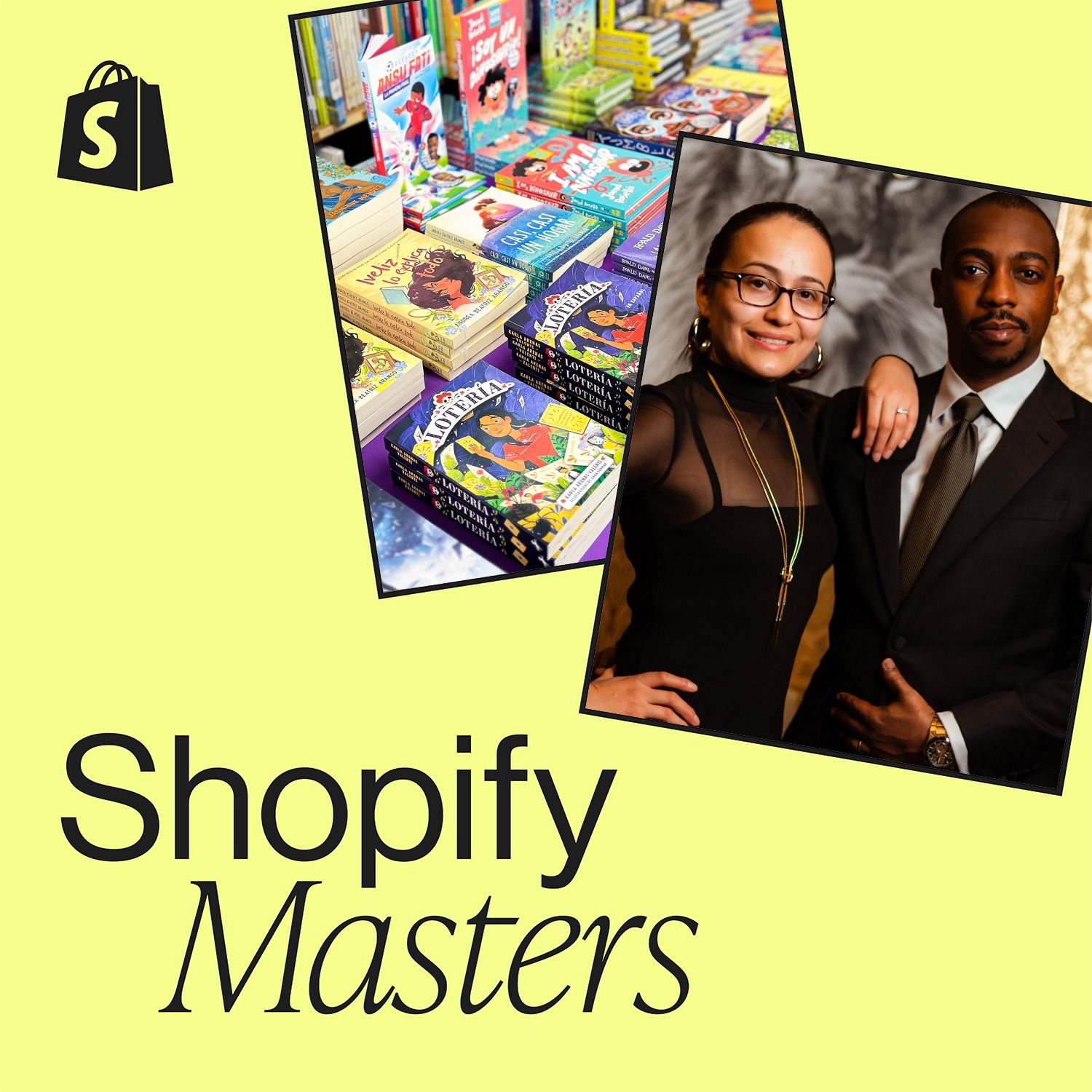
The founders of Miha Books consider their year-long retail lease a financial failure. However, the store generated significant press coverage and social proof ('as seen on'), which they now view as a valuable, albeit expensive, marketing asset that legitimized their brand and led to future opportunities.
A life-changing licensing deal for Seattle Ultrasonics collapsed at the 11th hour because the corporate partner posted bad quarterly earnings, making them risk-averse. The deal fell apart after diligence, leaving founder Scott Heimendinger with $20,000 in legal bills and no partnership.

The celebrated $100B Nvidia-OpenAI deal was revealed by Nvidia's CEO to be just an 'invitation to invest,' not a firm commitment. This highlights the dangers of the 'press release economy,' where grand announcements are made for hype before deals are papered, creating a perception gap that can lead to public backtracking and reputational risk.

After skillfully negotiating two offers and nearly doubling the price for SiteAdvisor, Chris Dixon felt he had maximized the deal. However, the acquiring CEO later revealed his board had authorized a price twice as high, a humbling lesson that a seller rarely knows the buyer's true willingness to pay.
