Get your free personalized podcast brief
We scan new podcasts and send you the top 5 insights daily.
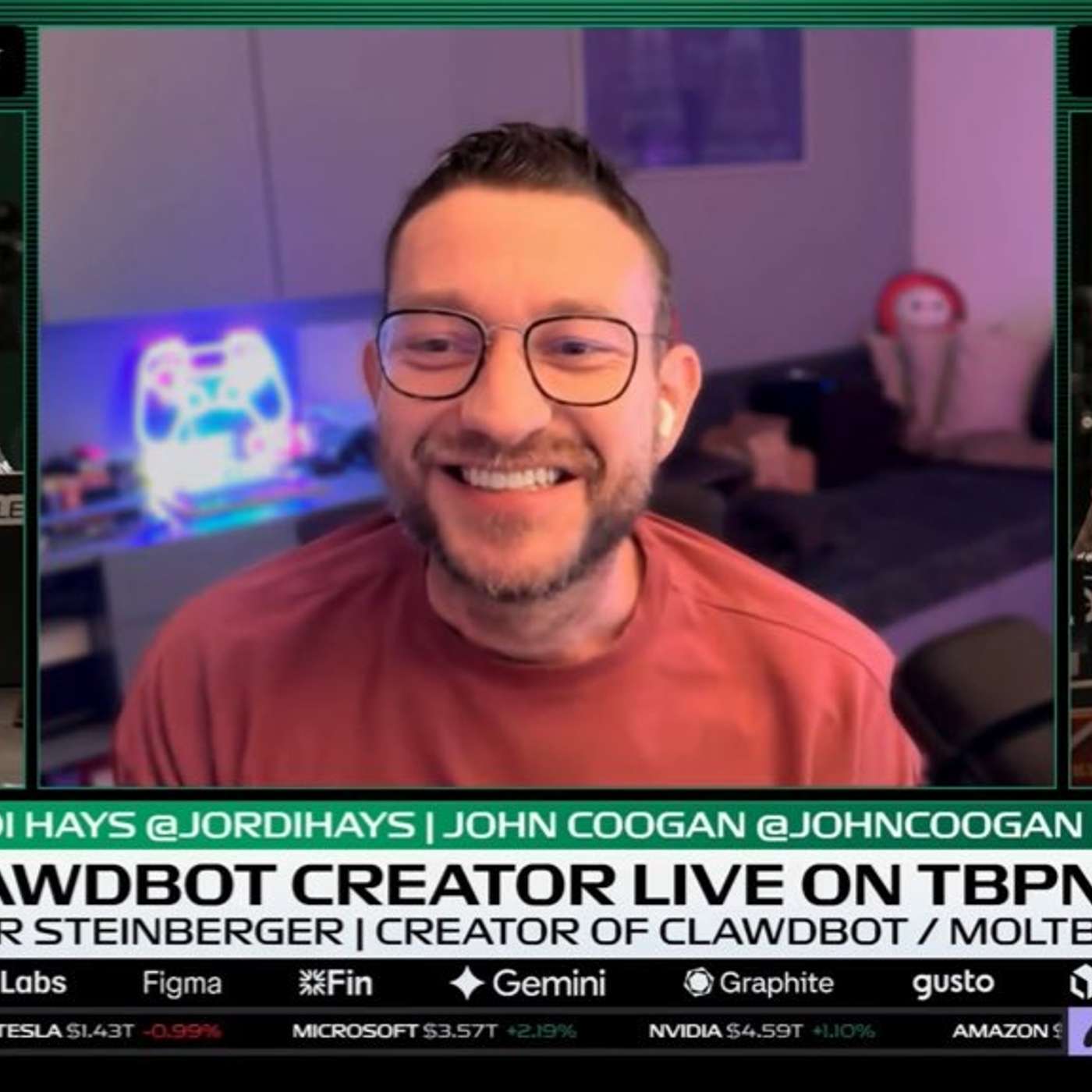
Instead of slowly mimicking human clicks on a website, the "Unbrowse" tool allows an AI agent to learn a site's underlying private APIs. This creates a much faster and more efficient machine-to-machine interaction, effectively building a "Google for agents" that bypasses the human-centric web.

Related Insights
The rise of AI browsers introduces 'agents' that automate tasks like research and form submissions. To capture leads from these agents, websites must feature simple, easily parsable forms and navigation, creating a new dimension of user experience focused on machine readability.

The creator realized AI agents don't browse websites with traditional user interfaces. The core product for an agent-native platform must be a set of API calls for interaction, news feeds, and browsing. This fundamentally rethinks product design for non-human users.

AI-powered browsers like Perplexity can deconstruct a company's marketing strategy. They analyze the target website, browse it as an agent, and pull in third-party data to reveal advertising funnels, messaging, conversion architecture, and even the specific tools in their tech stack, providing a complete playbook.

The focus on browser automation for AI agents was misplaced. Tools like Moltbot demonstrate the real power lies in an OS-level agent that can interact with all applications, data, and CLIs on a user's machine, effectively bypassing the browser as the primary interface for tasks.

Unlike screen-reading bots, web agents can leverage HTML's declarative nature. Tags like `<button>` explicitly state the purpose of UI elements, allowing agents to understand and interact with pages more reliably and efficiently. This structural property is a key advantage that has yet to be fully realized.

By running locally on a user's machine, AI agents can interact with services like Gmail or WhatsApp without needing official, often restrictive, API access. This approach works around the corporate "red tape" that stifles innovation and effectively liberates user data from platform control.
AI agents are becoming the dominant source of internet traffic, shifting the paradigm from human-centric UI to agent-friendly APIs. Developers optimizing for human users may be designing for a shrinking minority, as automated systems increasingly consume web services.

For decades, the goal was a 'semantic web' with structured data for machines. Modern AI models achieve the same outcome by being so effective at understanding human-centric, unstructured web pages that they can extract meaning without needing special formatting. This is a major unlock for web automation.
Tasklet's experience shows AI agents can be more effective directly calling HTTP APIs using scraped documentation than using the specialized MCP framework. This "direct API" approach is so reliable that users prefer it over official MCP integrations, challenging the assumption that structured protocols are superior.

The early dream of AI agents autonomously browsing e-commerce sites is being abandoned. The reality is that websites are built for human interaction, with bot detection, fraud prevention, and pop-ups that stymie AI agents. This technical friction is causing a major strategic pivot in AI commerce.
