Get your free personalized podcast brief
We scan new podcasts and send you the top 5 insights daily.
The "How Italian Are You" series focused on community engagement, not immediate conversion. This top-of-funnel content created a brand-aware audience that was later retargeted with conversion-driven ads, proving brand-building can be more effective than constant sales pitches.
Related Insights
Let the market validate your ad creative. Post content organically and when a video goes viral, repurpose it for paid advertising. Tweak the validated creative by adding a direct call to action, like a price overlay, to convert brand awareness into sales performance.

Only 5% of your audience is ready to buy. For the other 95%, the goal is to build "mindshare"—a runway of awareness and trust through valuable content. This ensures that when they eventually enter a buying cycle, your brand is already a known and respected entity.

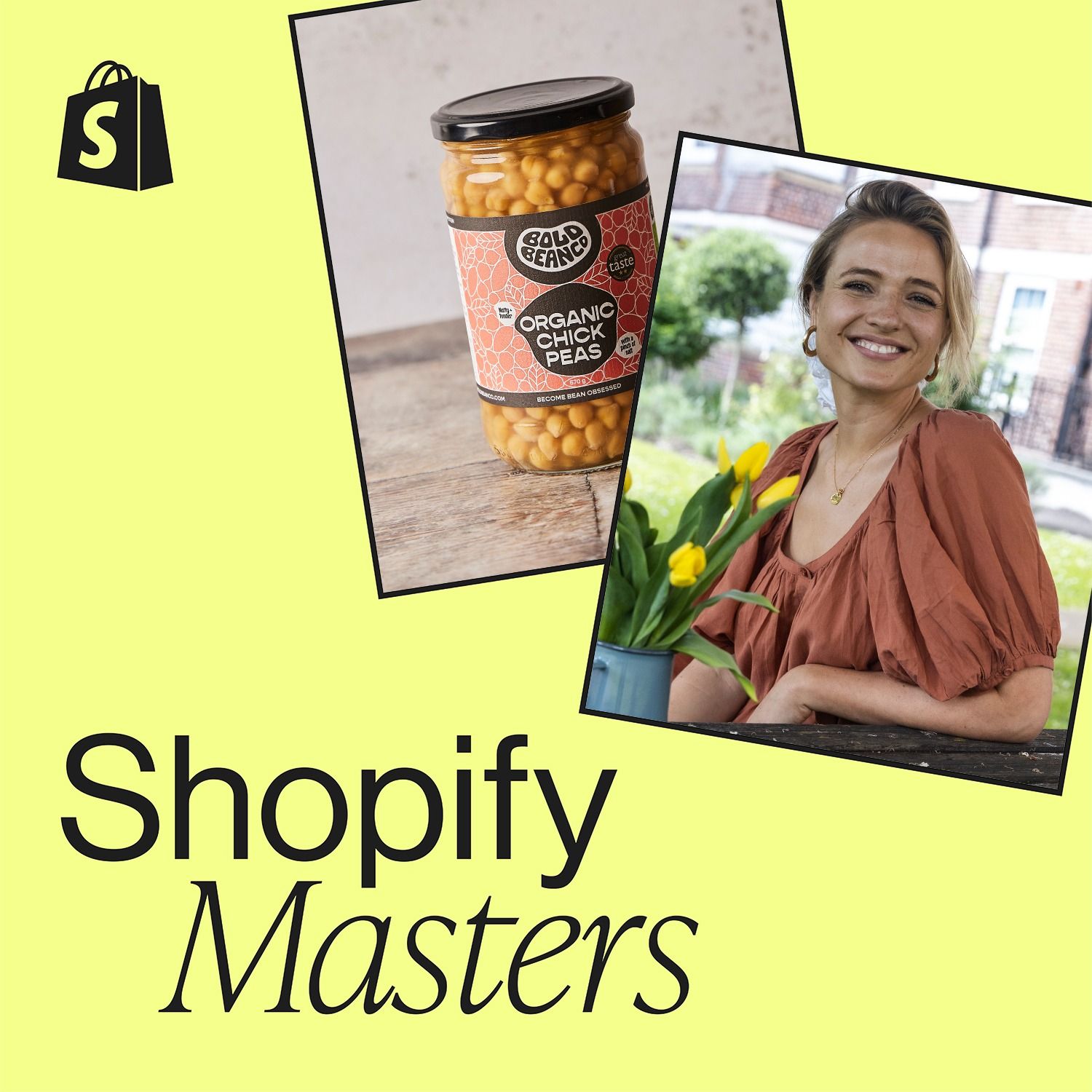
The brand avoids direct sales pitches in its content. Instead, it provides value by publishing hundreds of free recipes. This "give first" strategy builds trust and a long-term relationship, leading to organic purchases when consumers are ready to buy at the supermarket.
The ROI of a viral moment is difficult to link to direct sales. Instead, its value lies in increasing 'share of voice' and creating positive brand associations. This influences future purchasing decisions, making the brand top-of-mind when a customer is ready to buy.
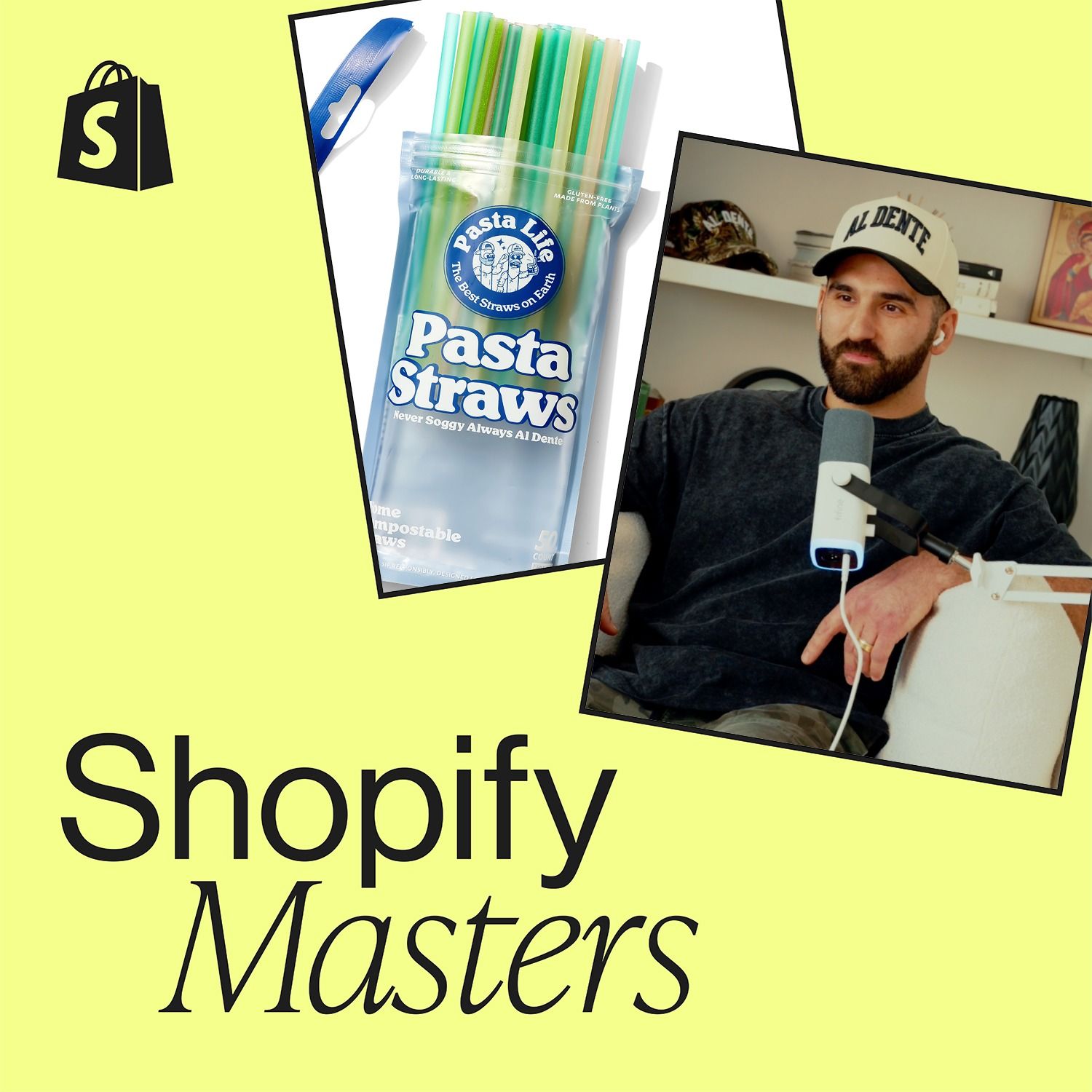
The brand bundles its low-cost pasta straws with higher-margin merchandise. The merch, featured in viral social media videos, acts as an entry point to draw customers into the brand ecosystem. This bundling strategy increases average order value and makes the core product an attractive add-on.
Stop viewing brand as a top-of-funnel activity. For elite companies, brand isn't a precursor to selling; it is the selling. It creates inbound demand that bypasses traditional conversion tactics like search ads or affiliate marketing, making it the most powerful and sustainable growth engine.
Against typical advice, Dad Gang spent its initial ad budget boosting Instagram posts for "profile visits," not website clicks. This built a large, engaged community that was ready to buy when products dropped, proving the value of prioritizing audience growth over immediate sales for community-driven brands.
Instead of creating ads from scratch, identify top-performing organic content and repurpose it for paid campaigns. The viral creative has already proven its appeal (brand building); simply add conversion-focused elements like banners and direct copy to drive sales performance.
Counterintuitively, dedicating budget to campaigns optimized for engagements, follows, and shares can be a powerful brand-building tool. This approach reaches more people less expensively than conversion campaigns, building an audience and 'searing memories' that lead to future demand, complementing direct response efforts.
The traditional "big idea" campaign model is broken. A modern approach starts in the mid-funnel with organic social content. Content that resonates with the algorithm and audience on merit then becomes the brief for both lower-funnel performance ads and upper-funnel brand campaigns, de-risking the entire process.
